Watershed Stewards

Building Community Momentum for Widespread Behavior Change

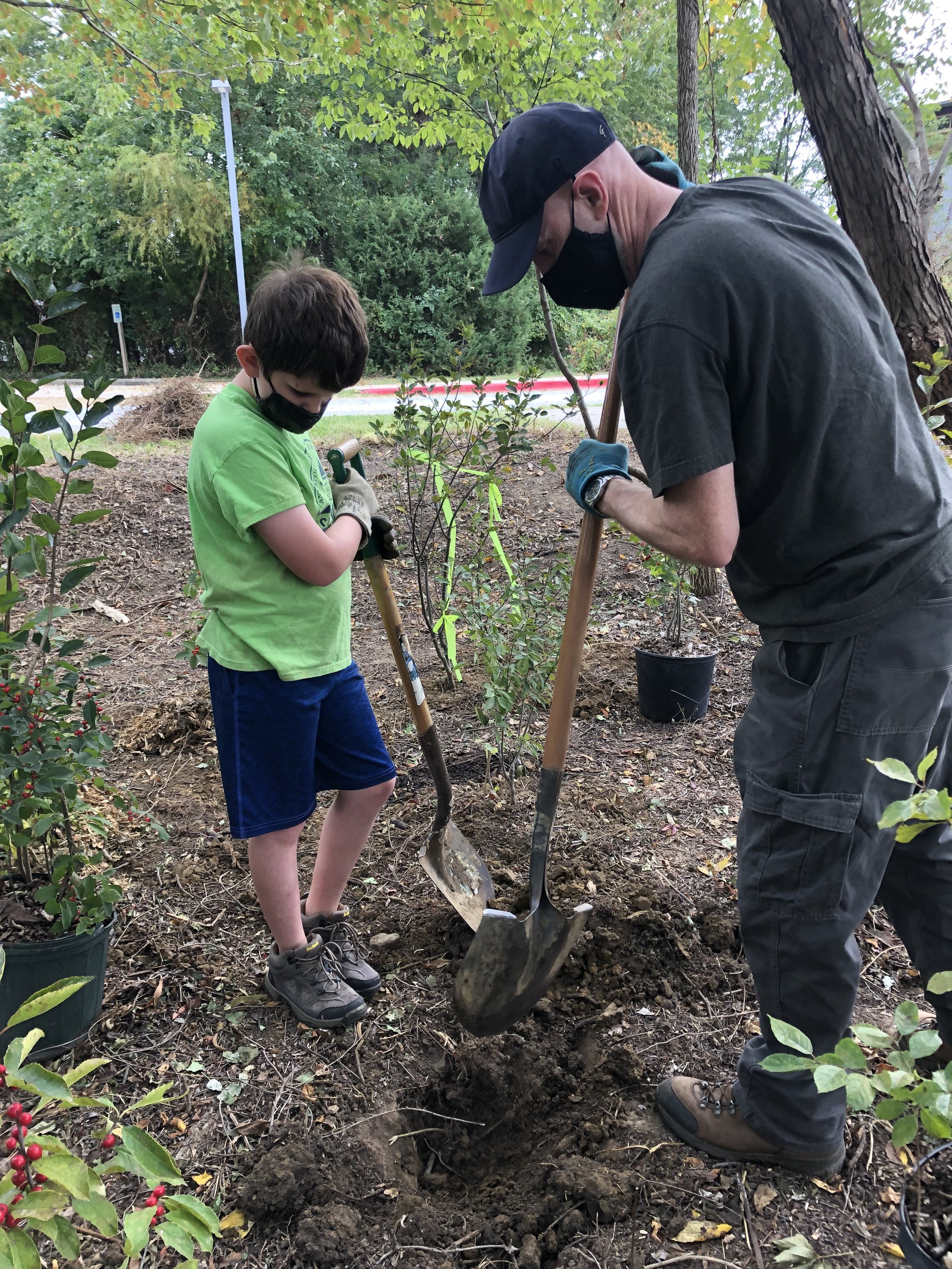
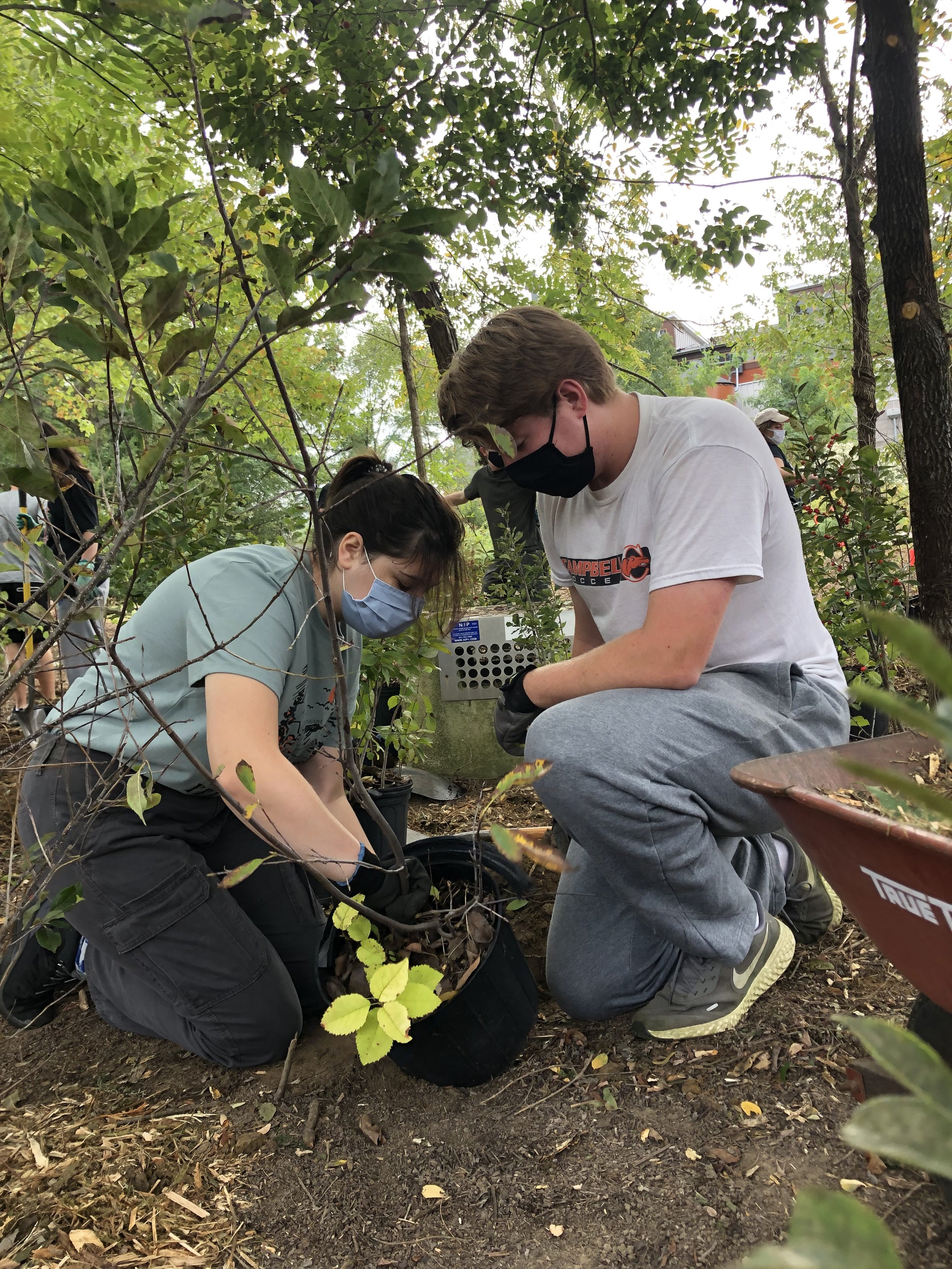
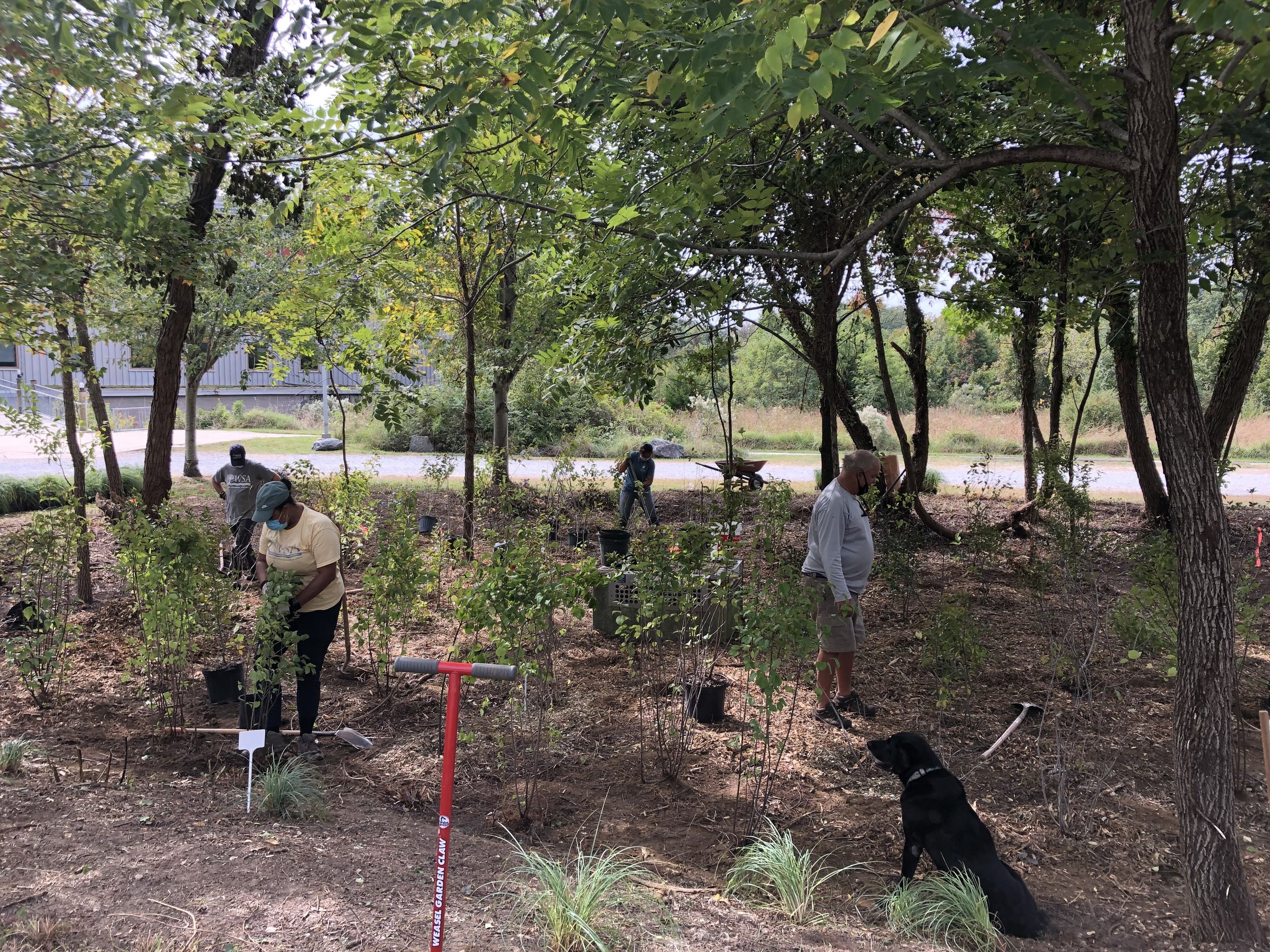
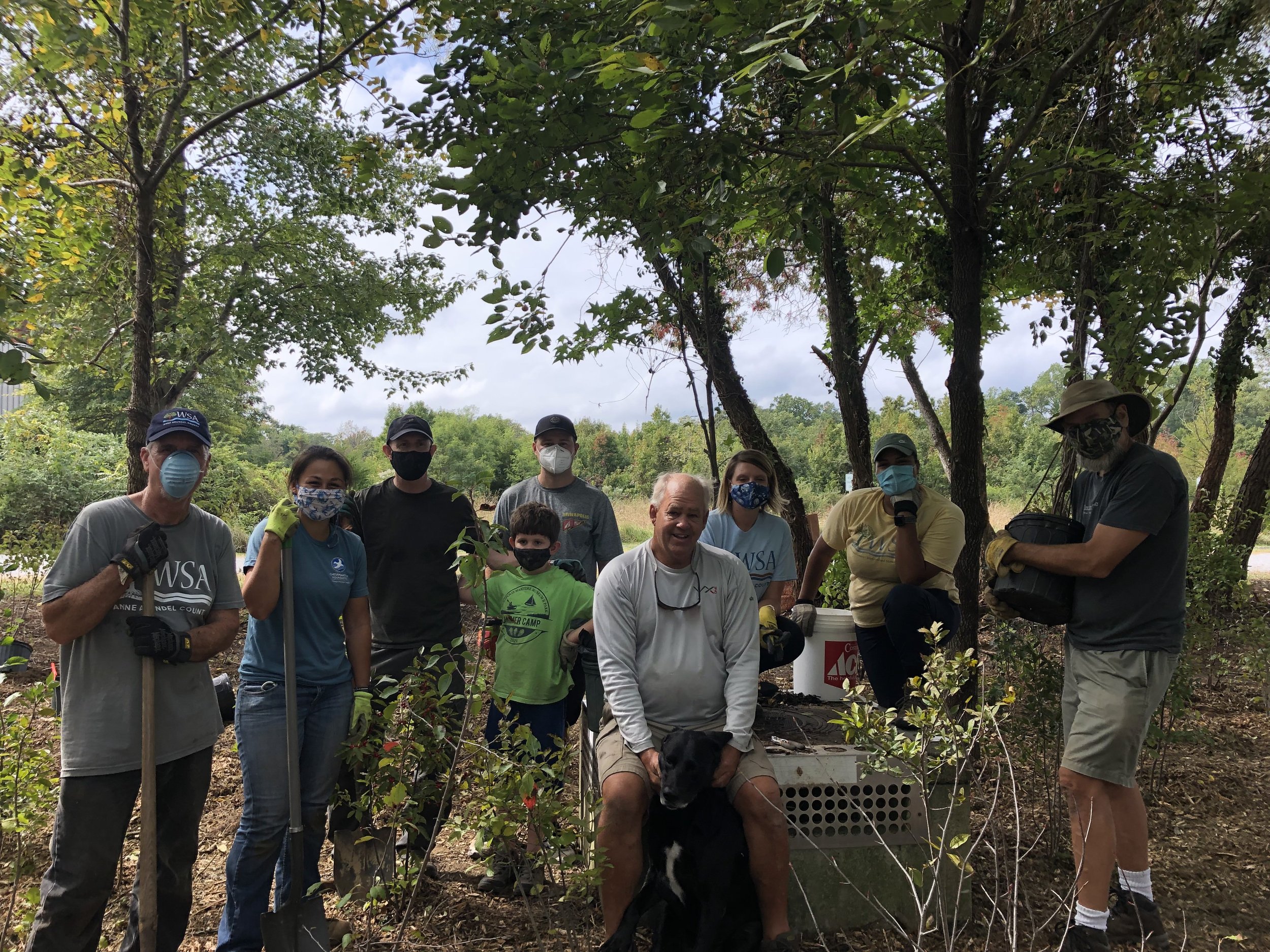
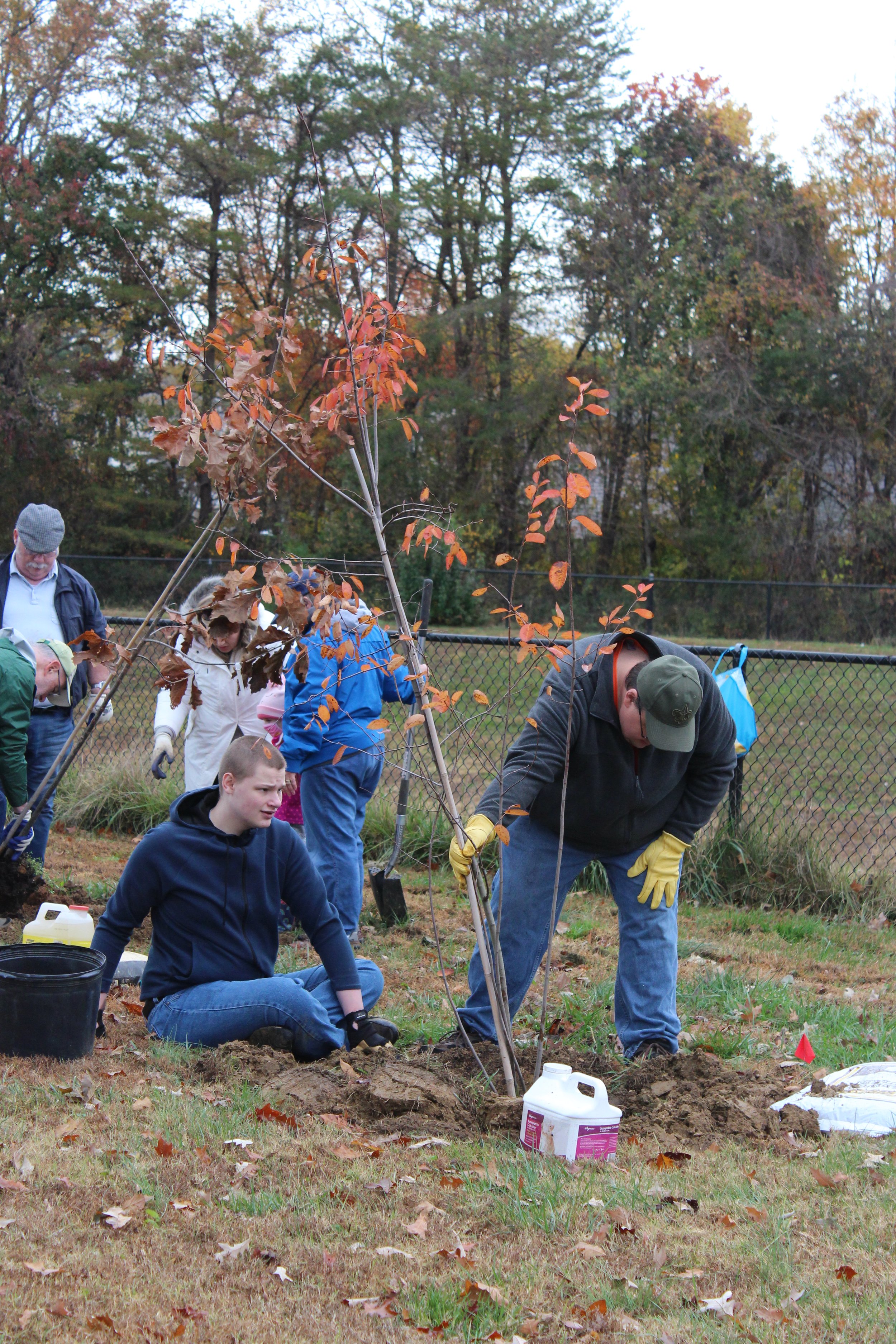
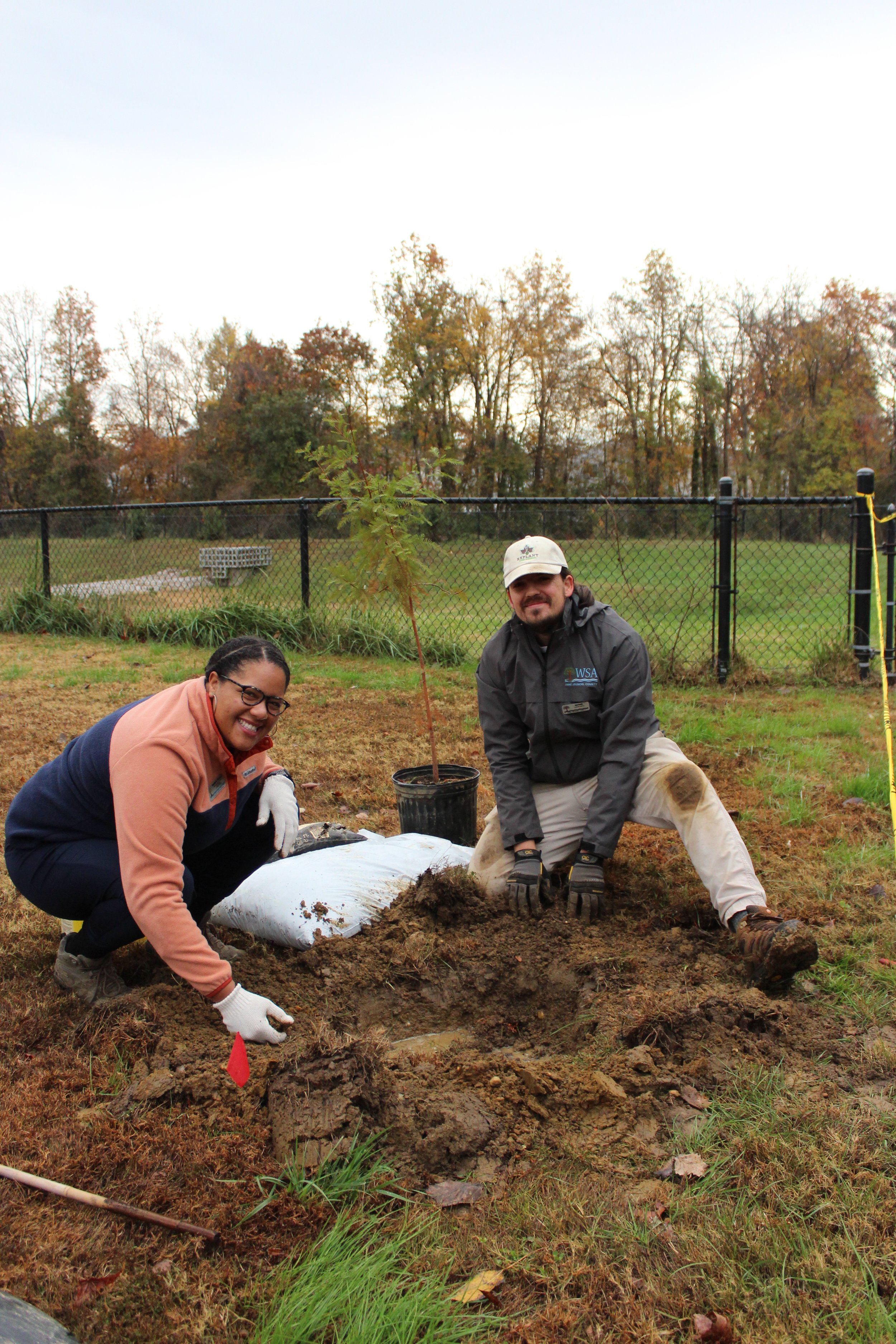
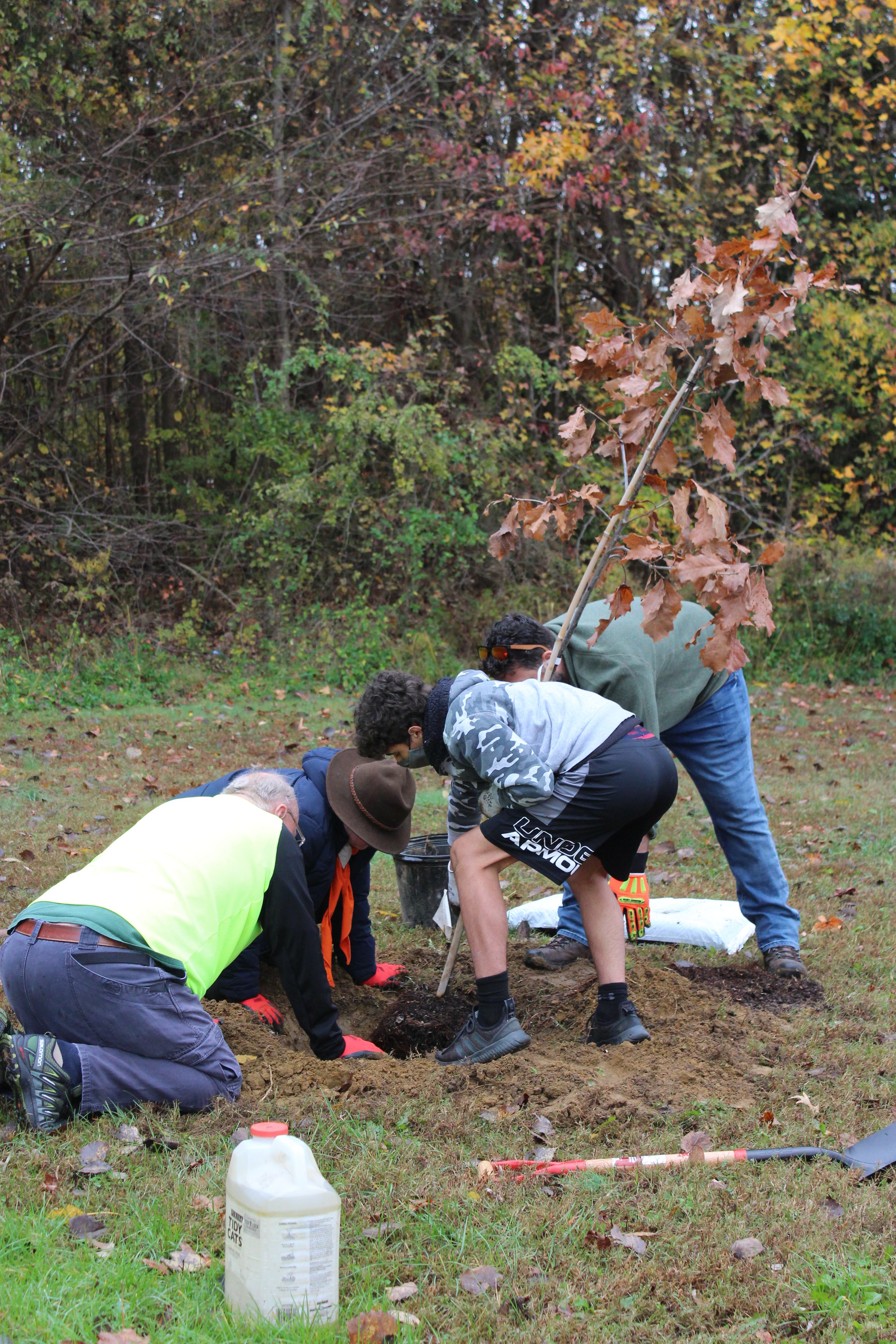
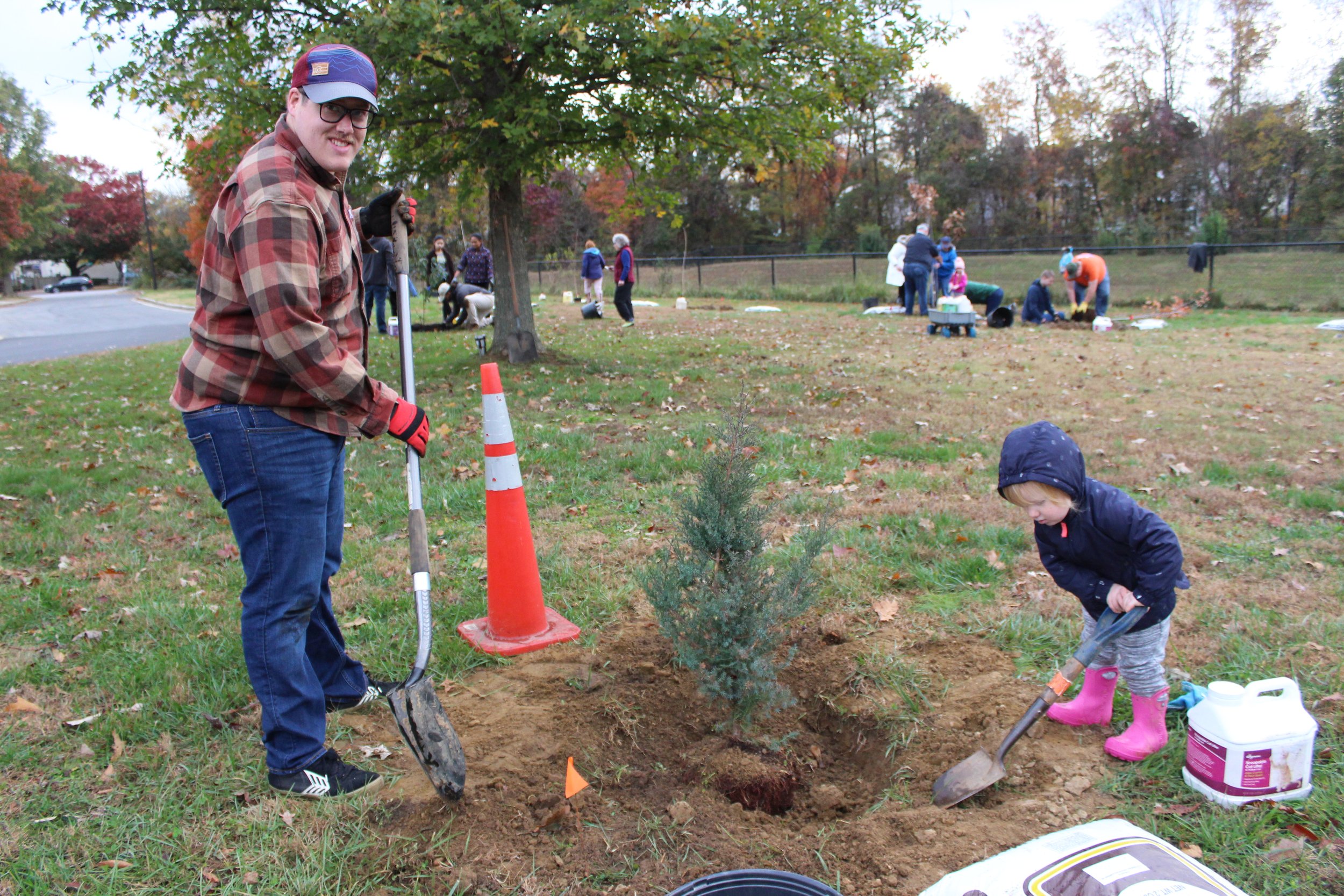
Cape St. Claire is one of several communities where a long-term Watershed Steward presence has built incredible momentum for change. The Cape's first Watershed Steward, Brad Knopf, has penned a watershed Tip of the Month cartoon for over 13 years, giving humorous monthly inspiration to Stewards and residents alike. There are now six active Watershed Stewards, working together to lead specific community restoration initiatives focused on controlling invasives, planting natives and reducing pollution sources.

Cape Conservation Corps

Led by Watershed Stewards Stacey Wildberger and Jeanne Martin, the Cape Conservation Corps (CCC) “ignites community pride in our native landscape through projects that promote stewardship, create healthy natural spaces and champion swimmable, fishable waterways.” CCC’s active communications, projects and volunteer events ensure that environmental stewardship is at the forefront throughout the year.

The Serene Ravine

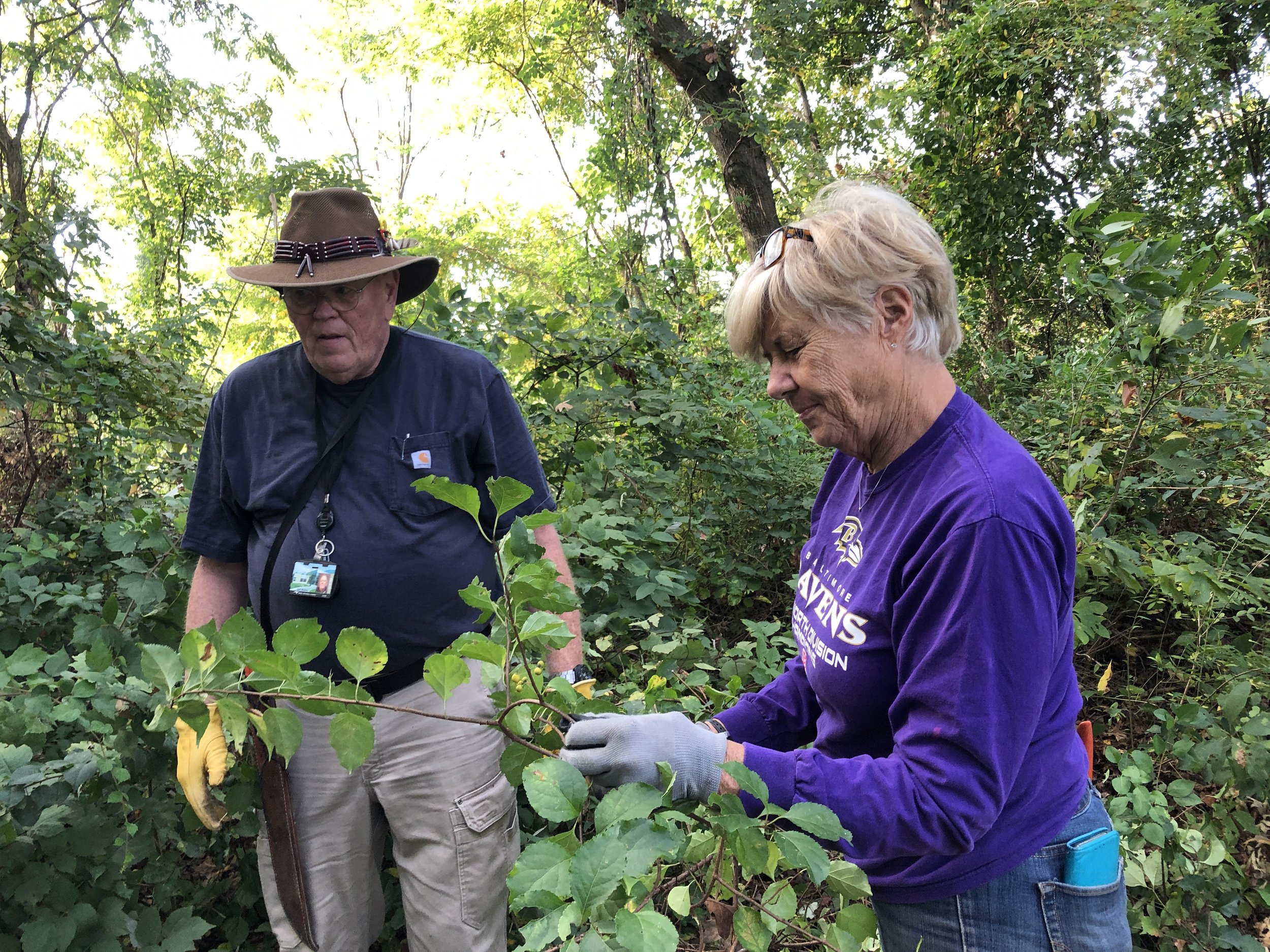
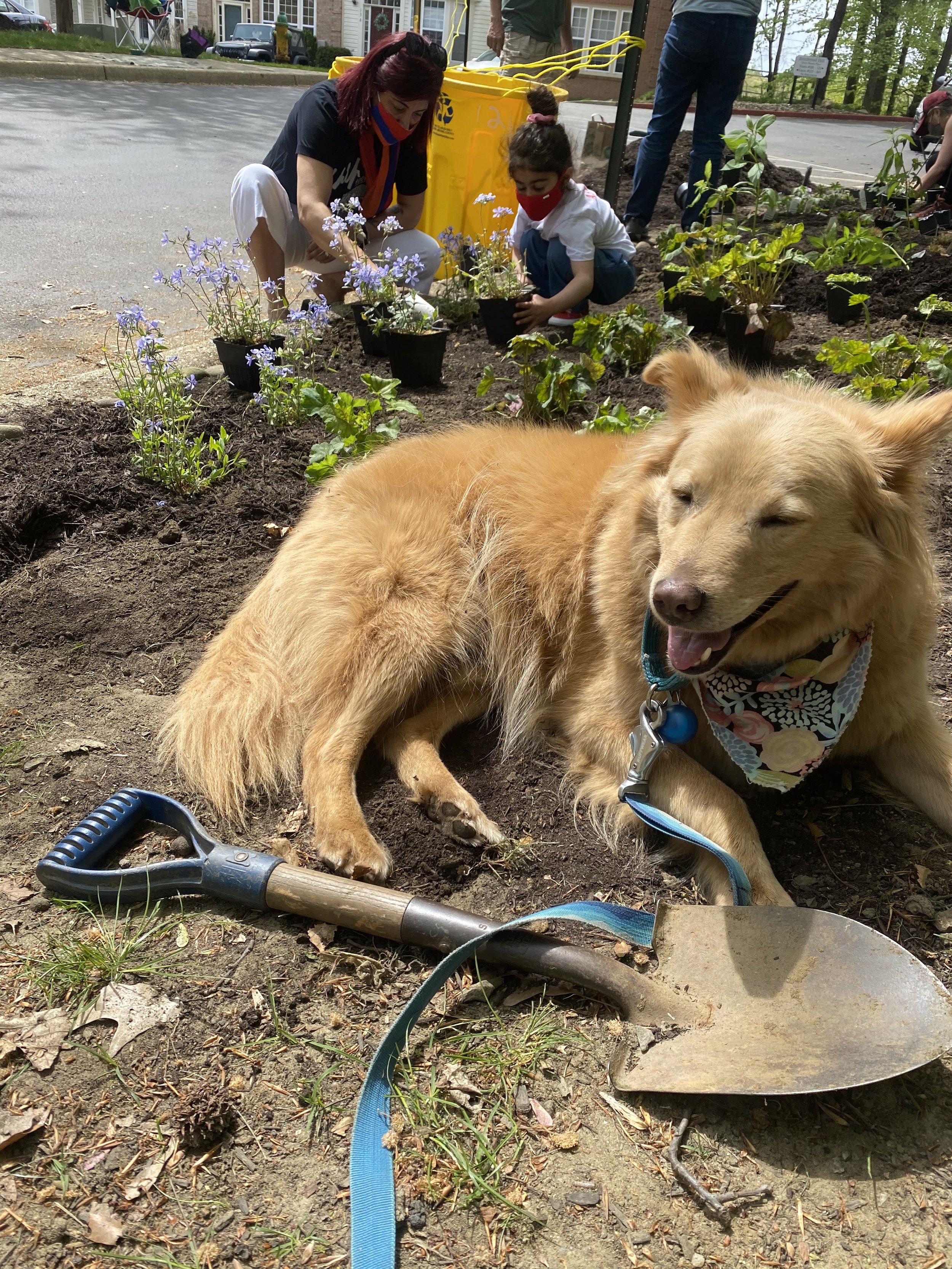
The Serene Ravine, is a “sometimes forgotten” area that intermittently feeds into Lake Claire. The process of removing invasive plants has been ongoing since 2012.

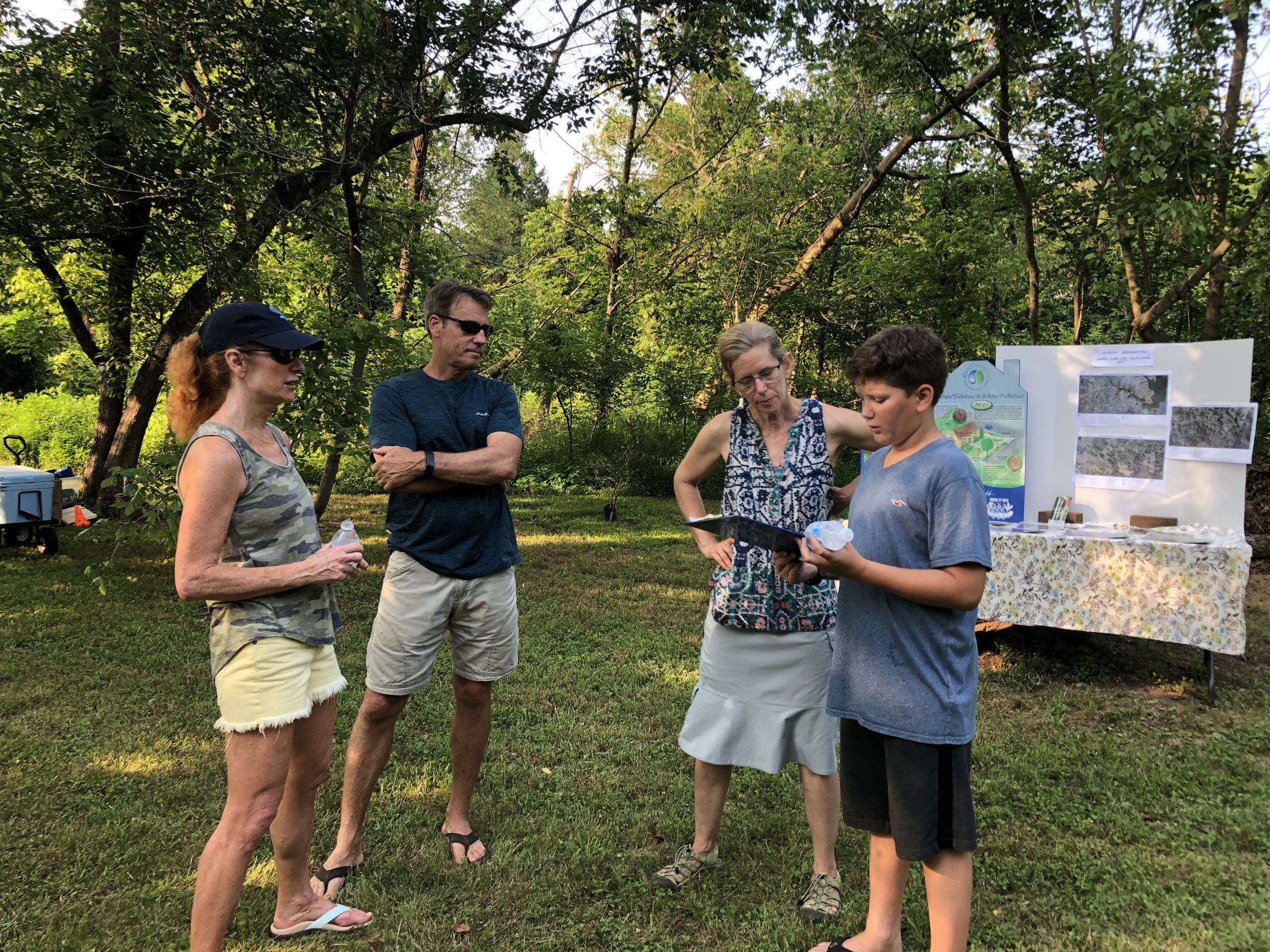
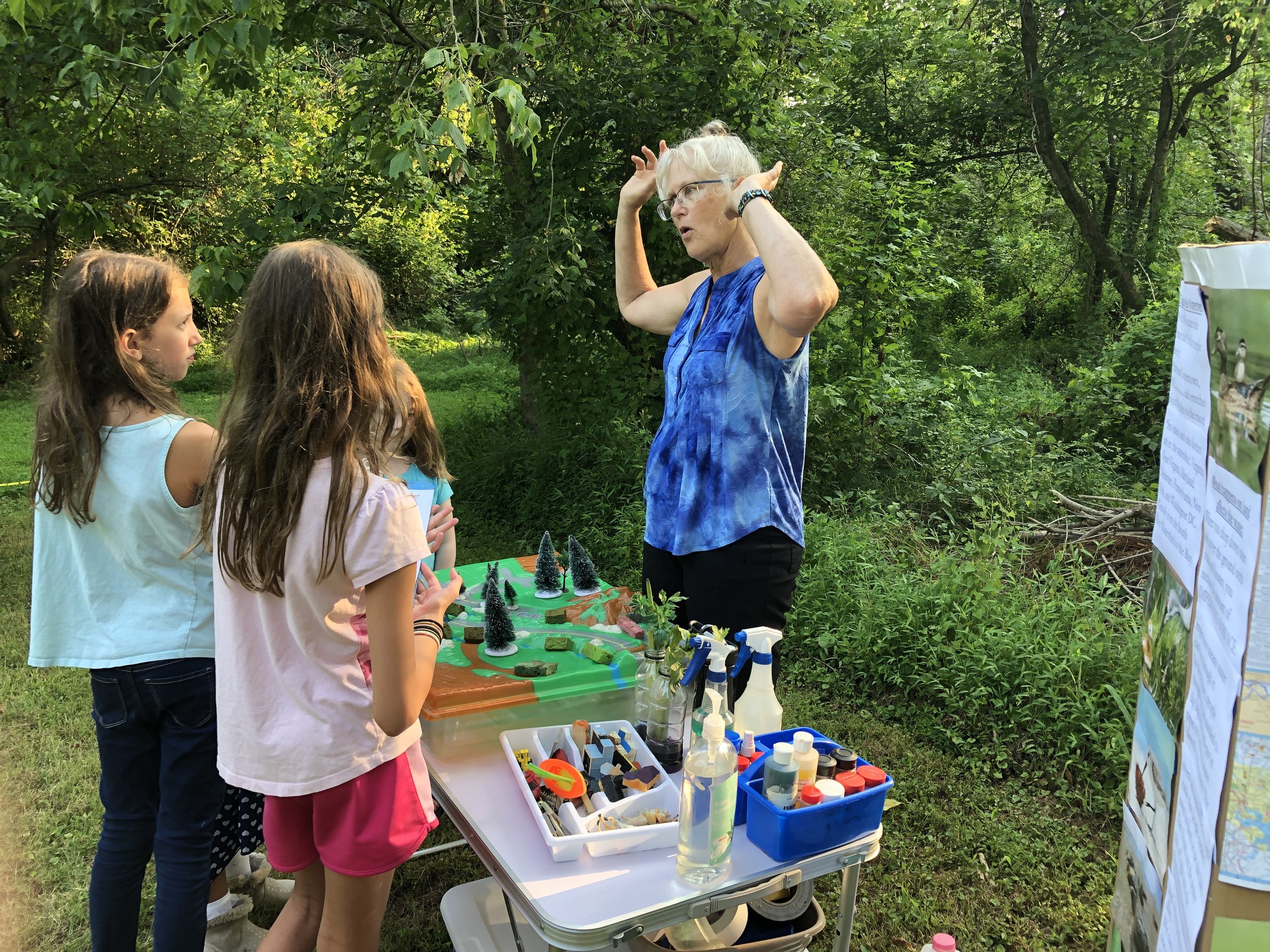
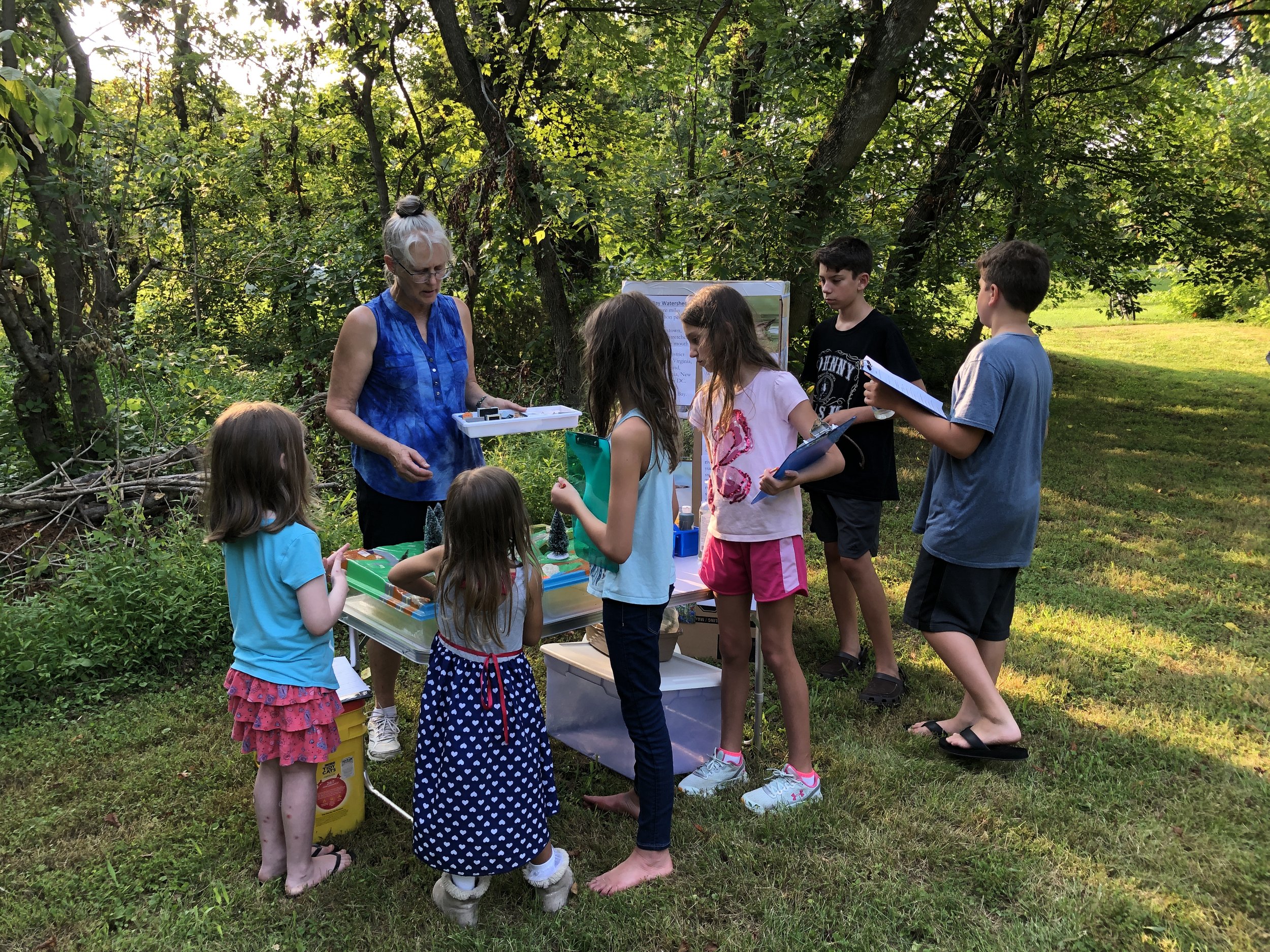
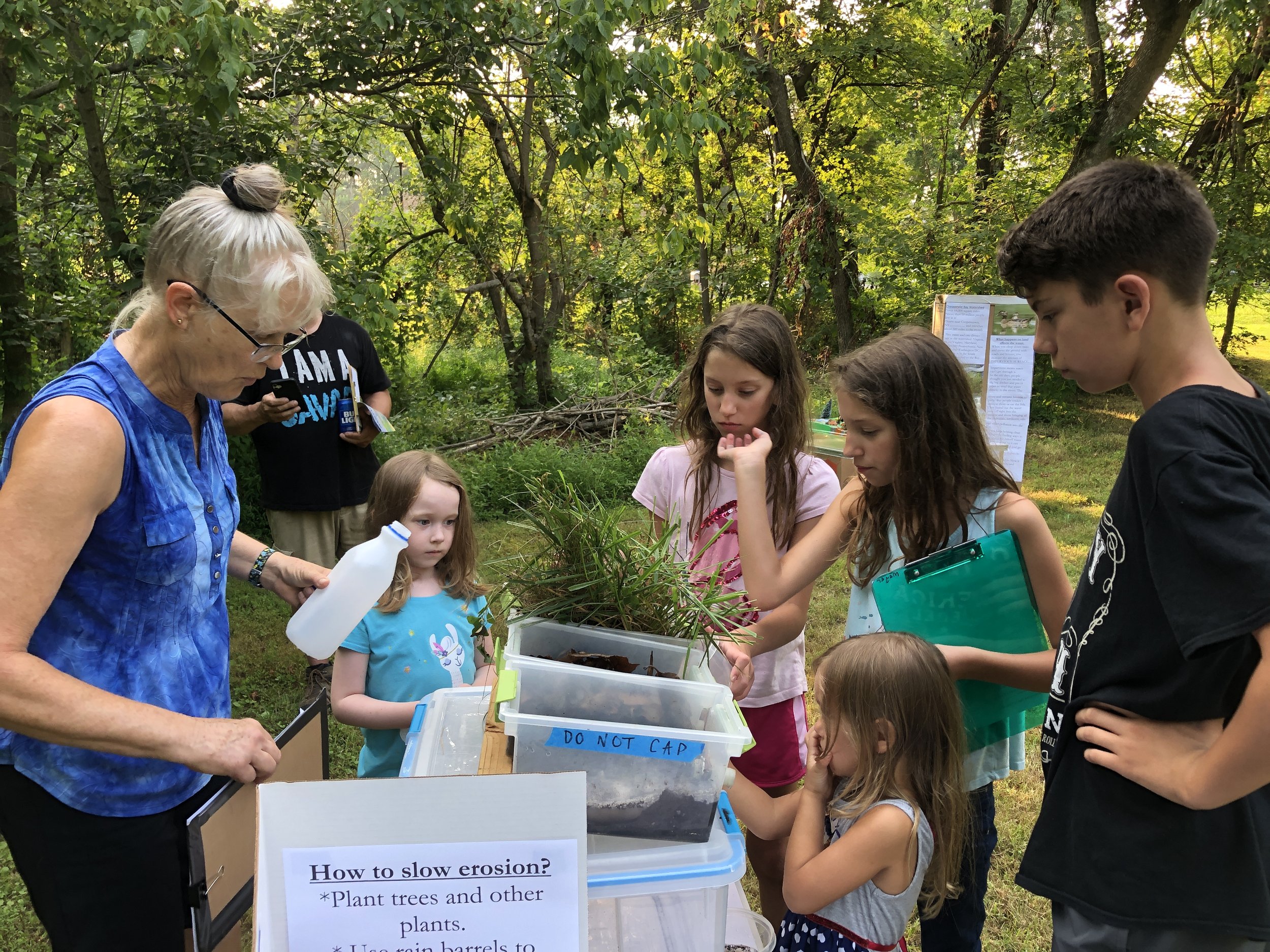
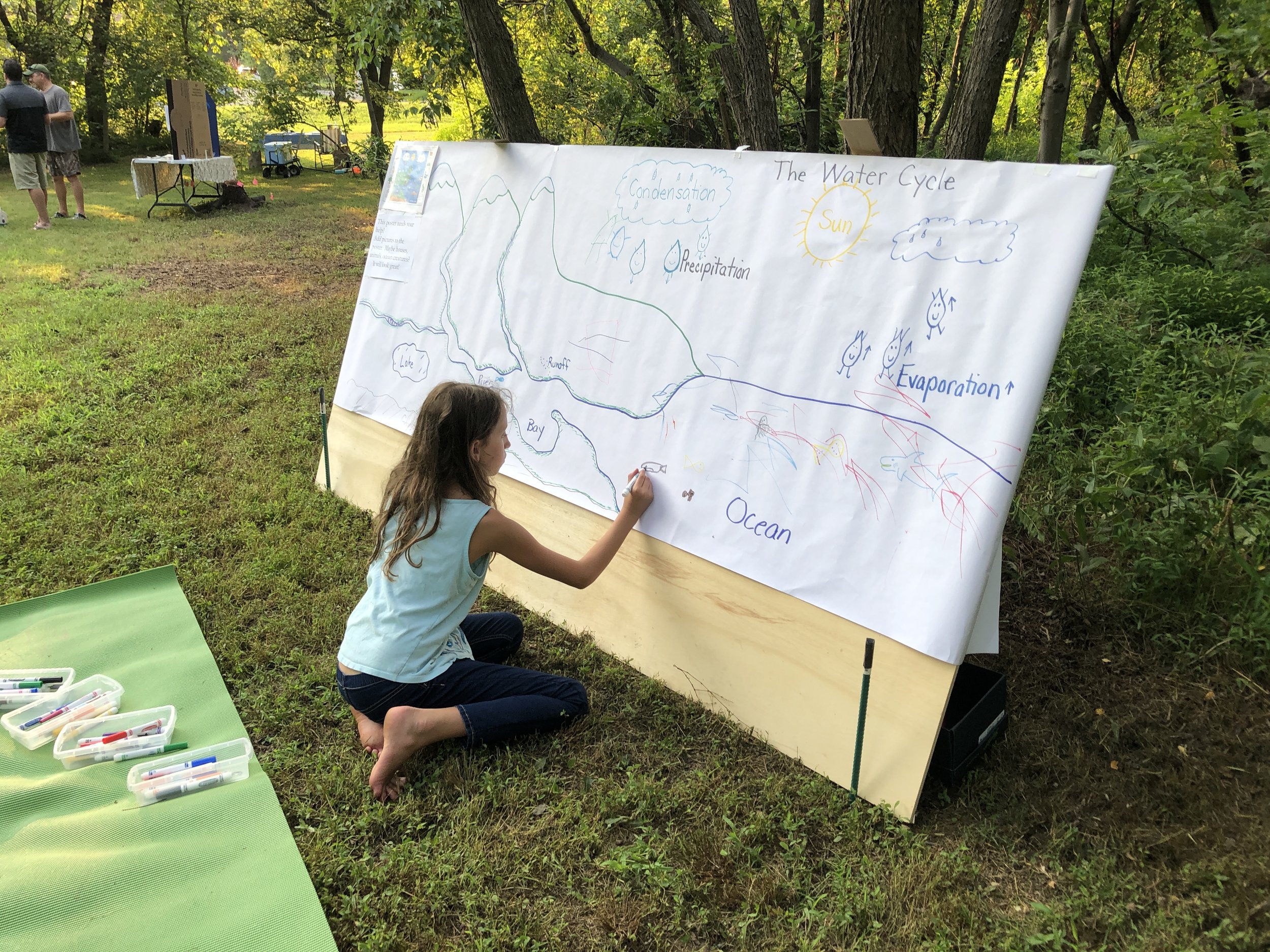
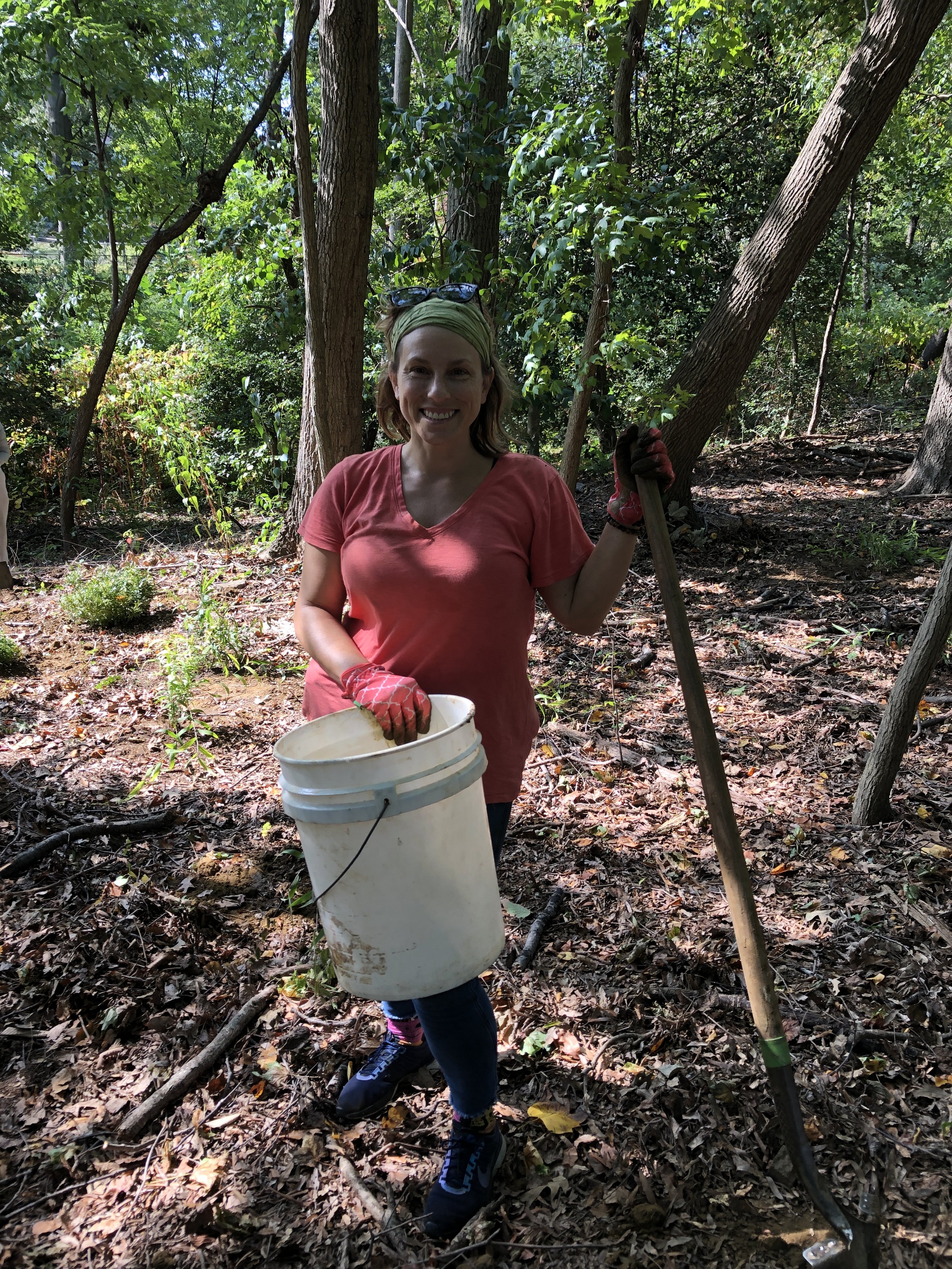
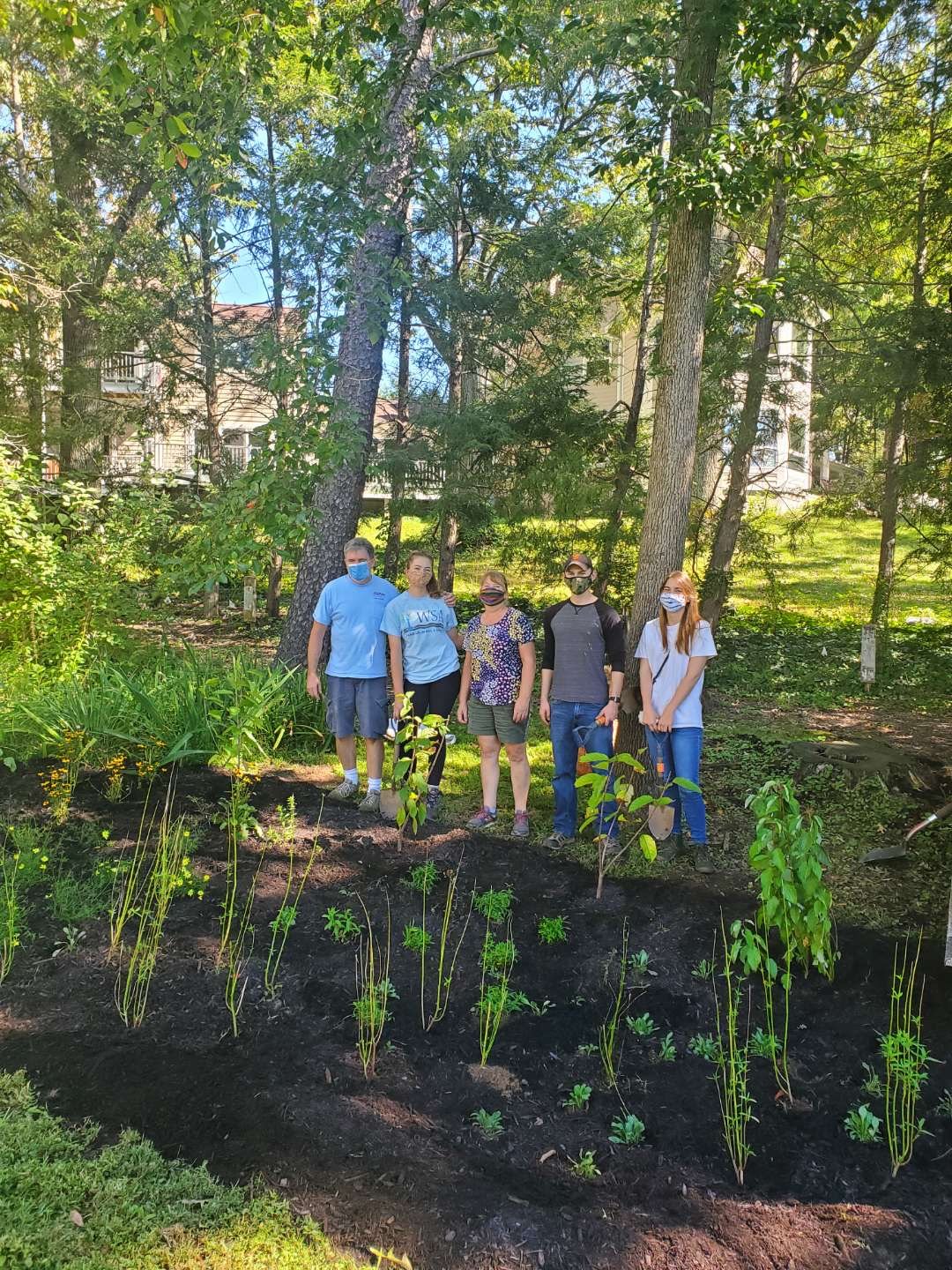
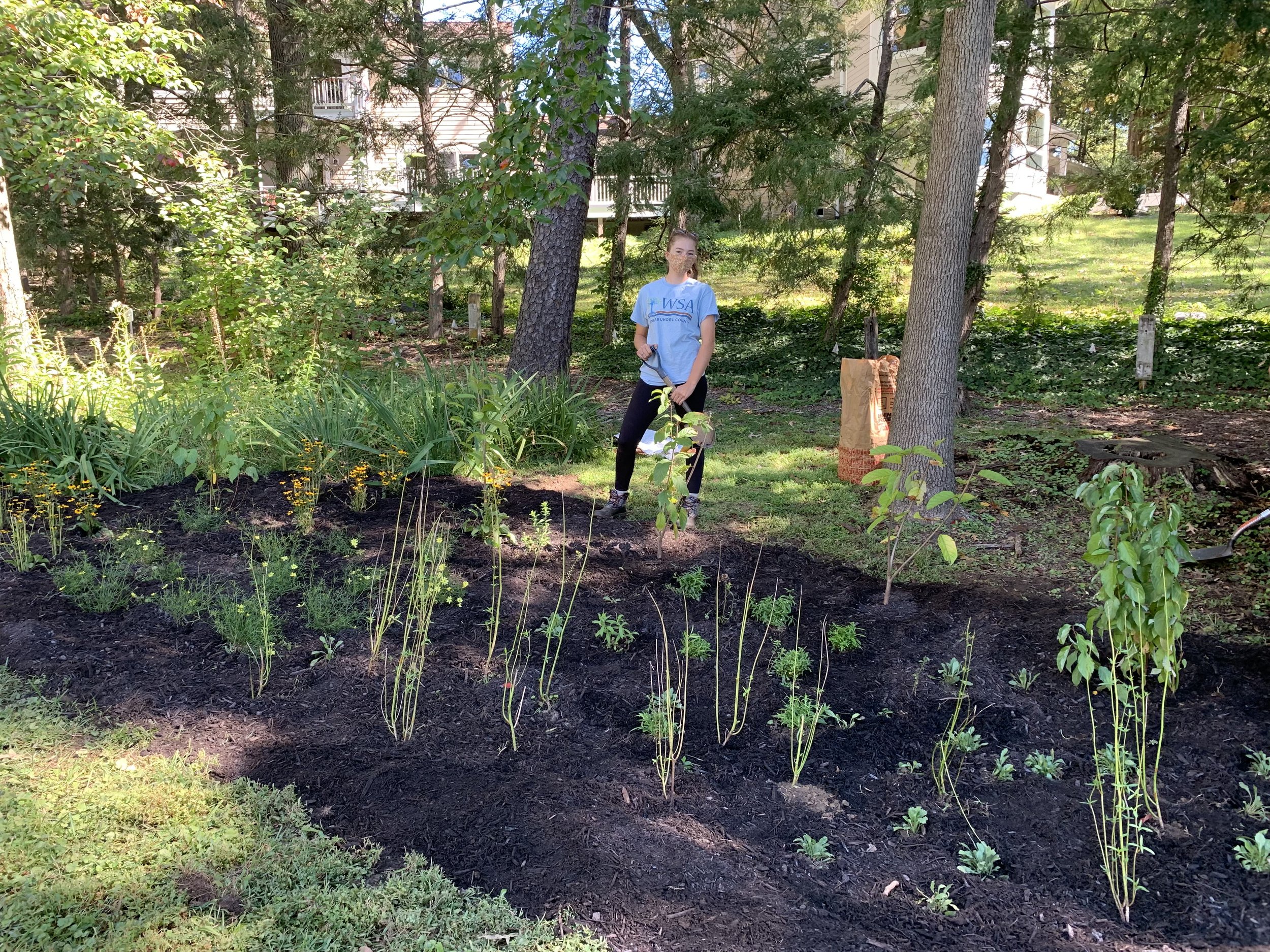
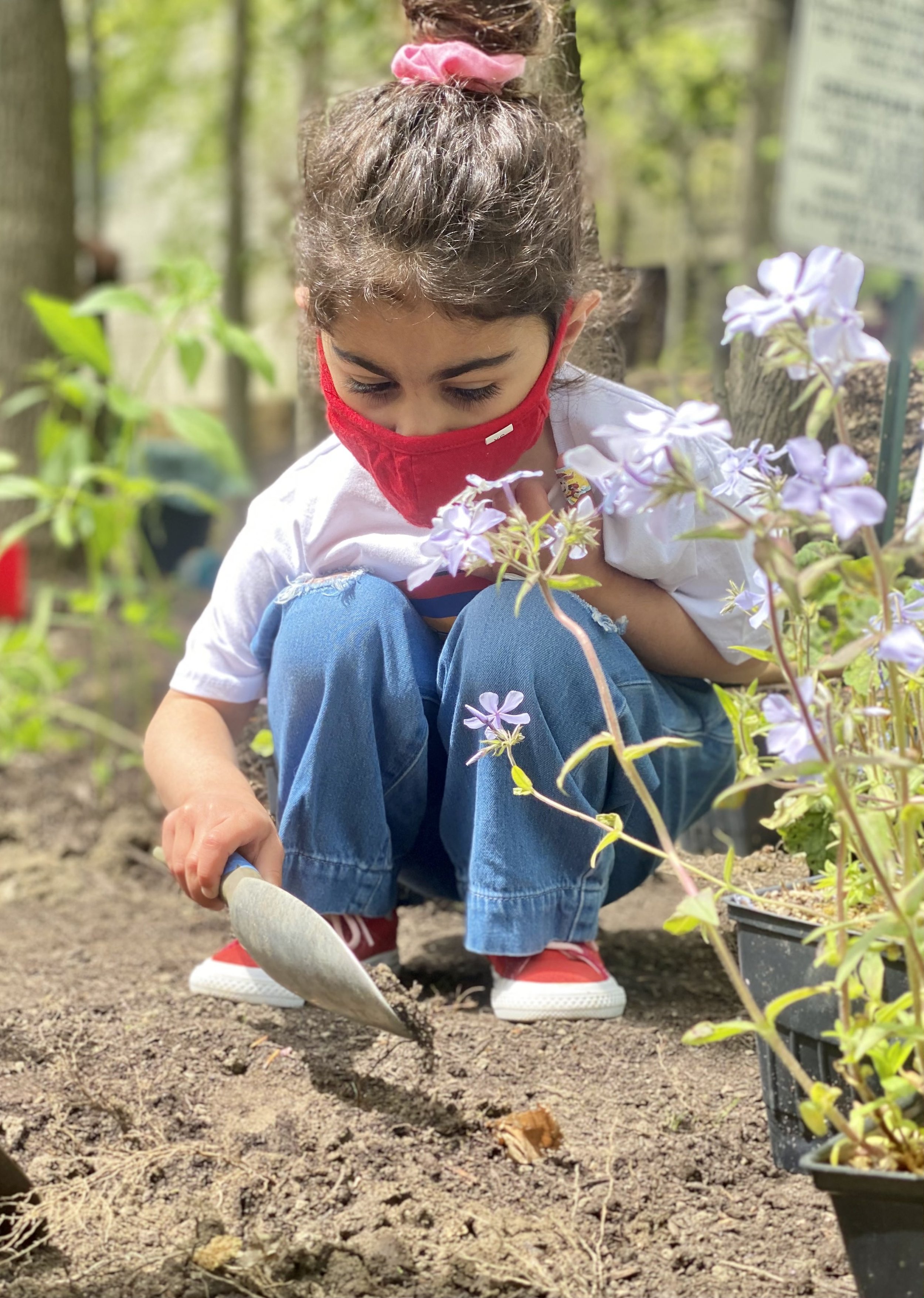
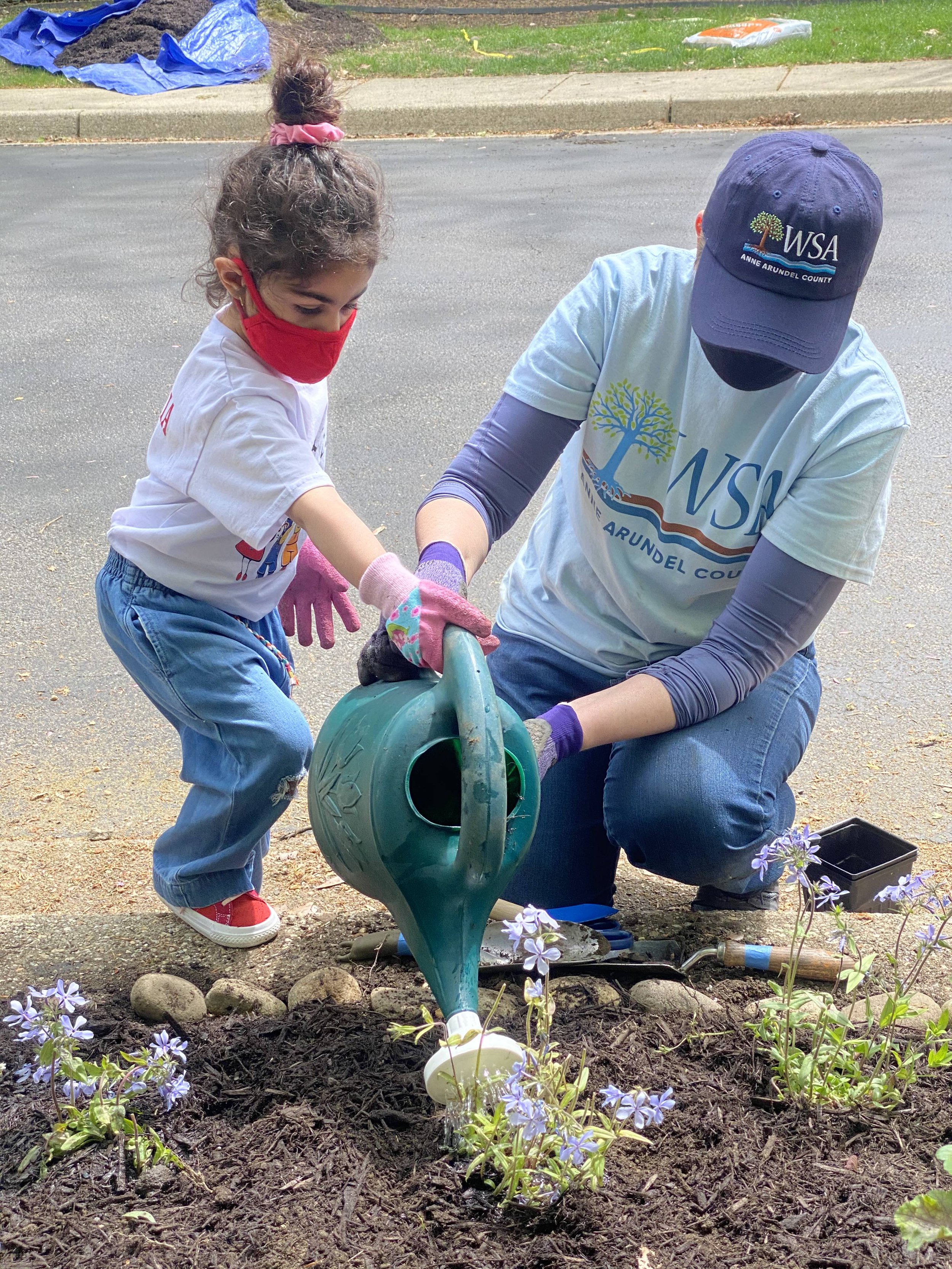
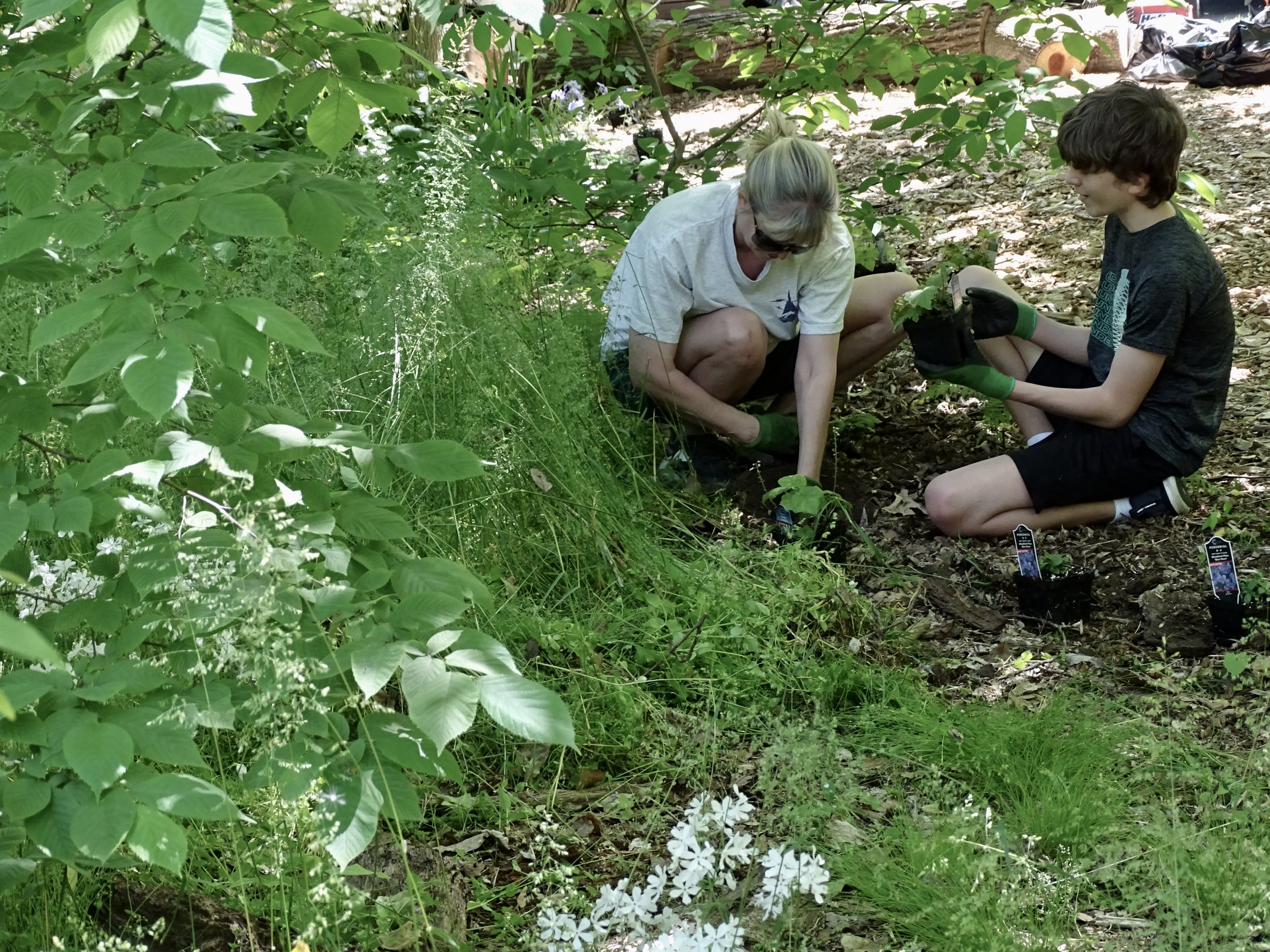
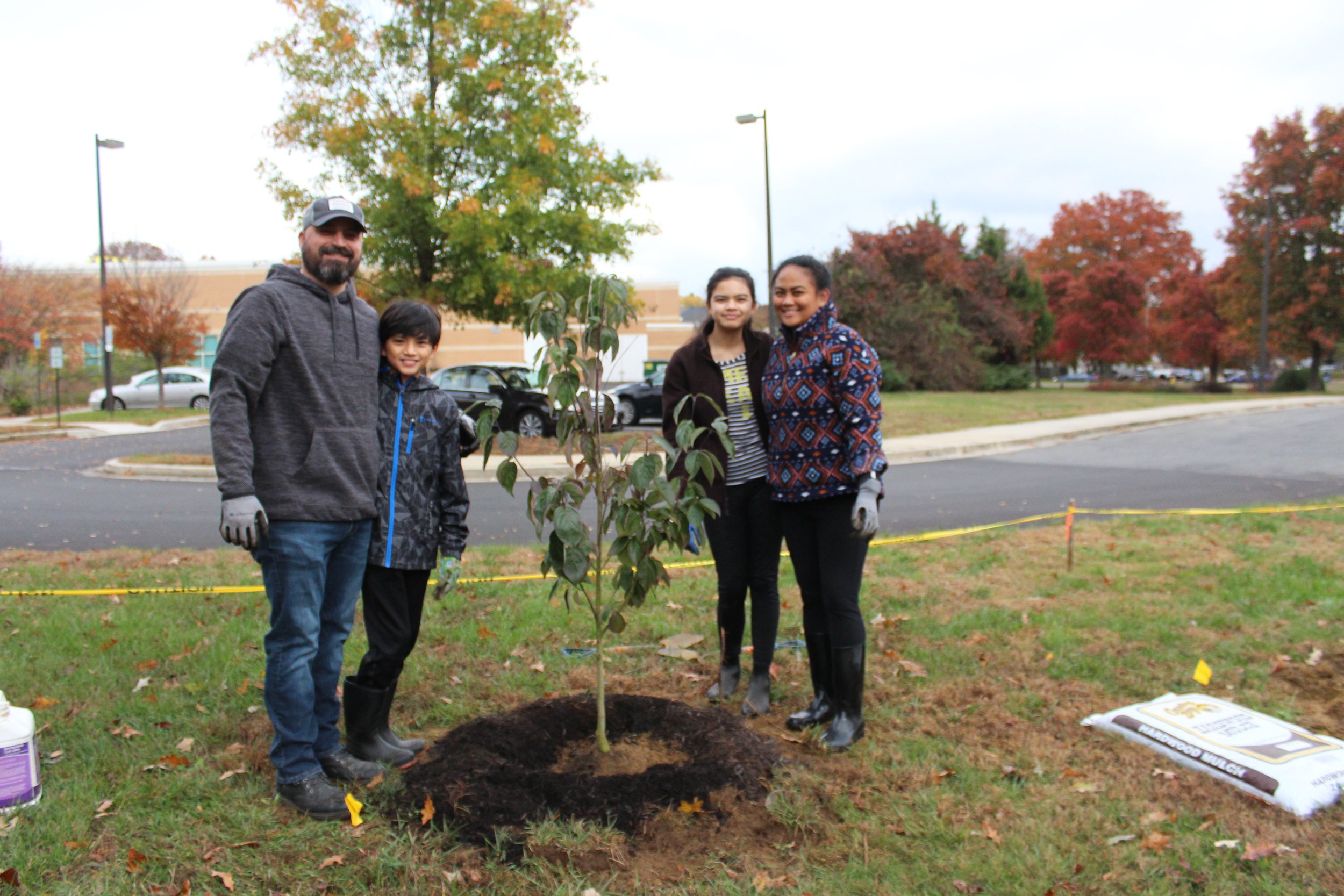
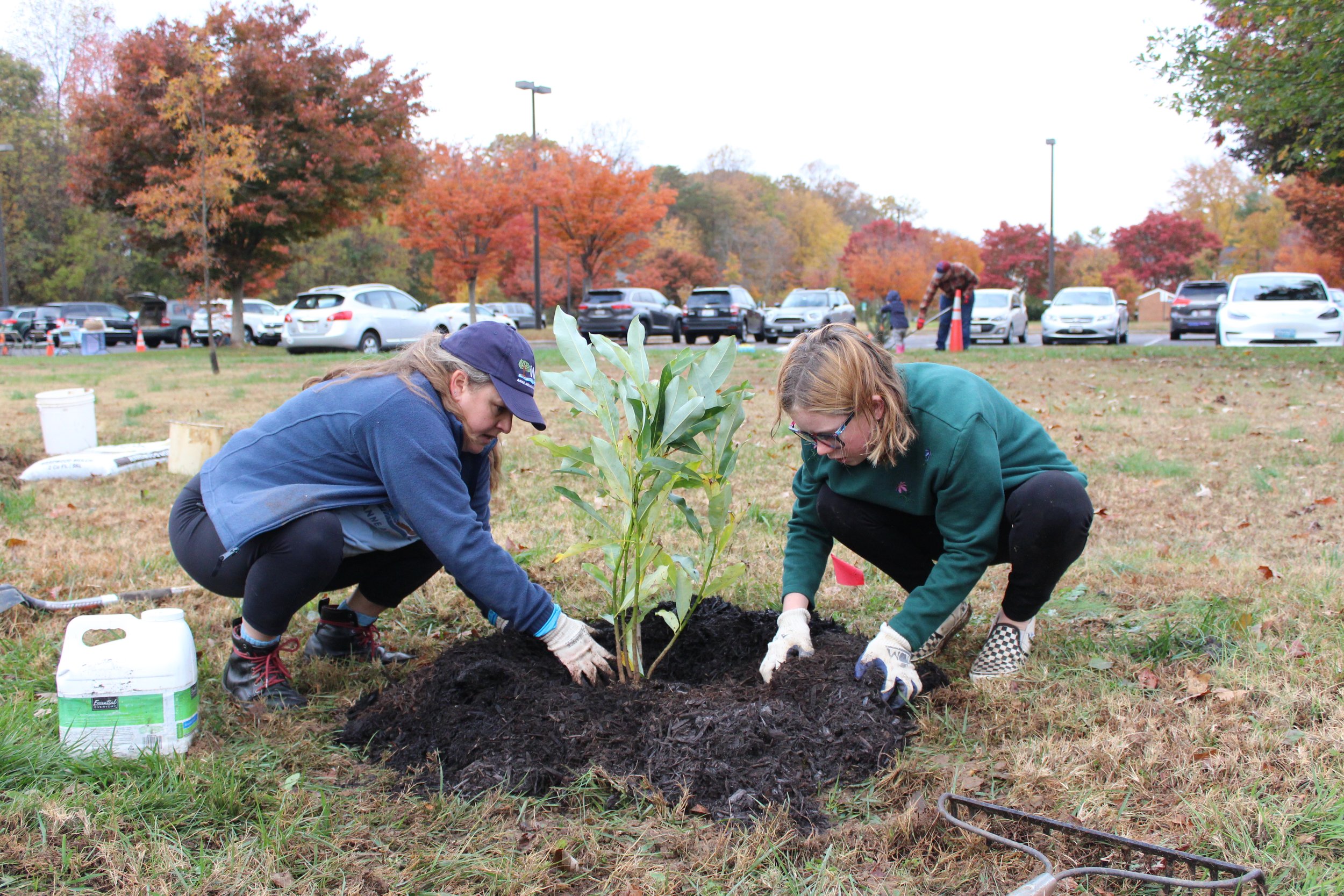
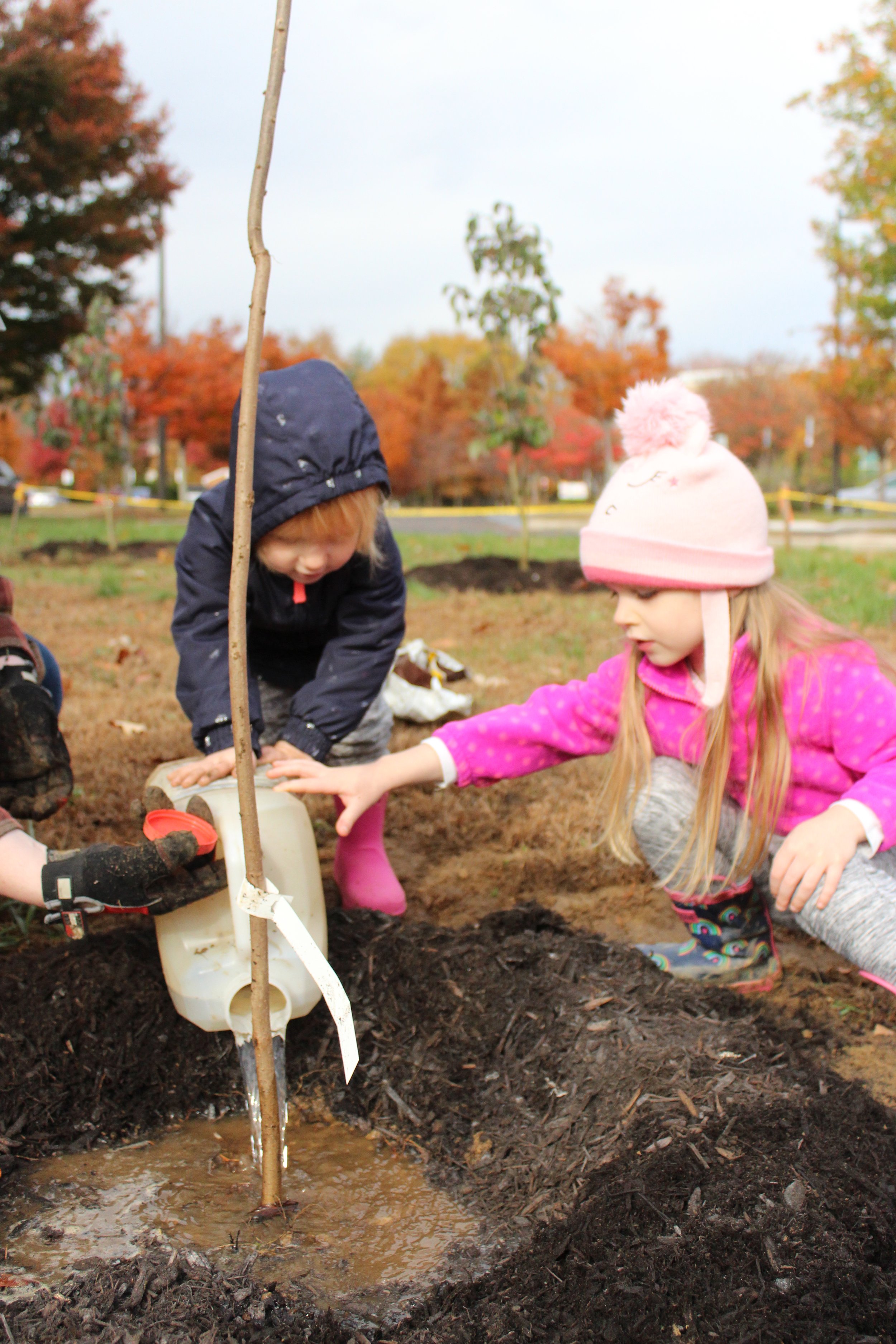
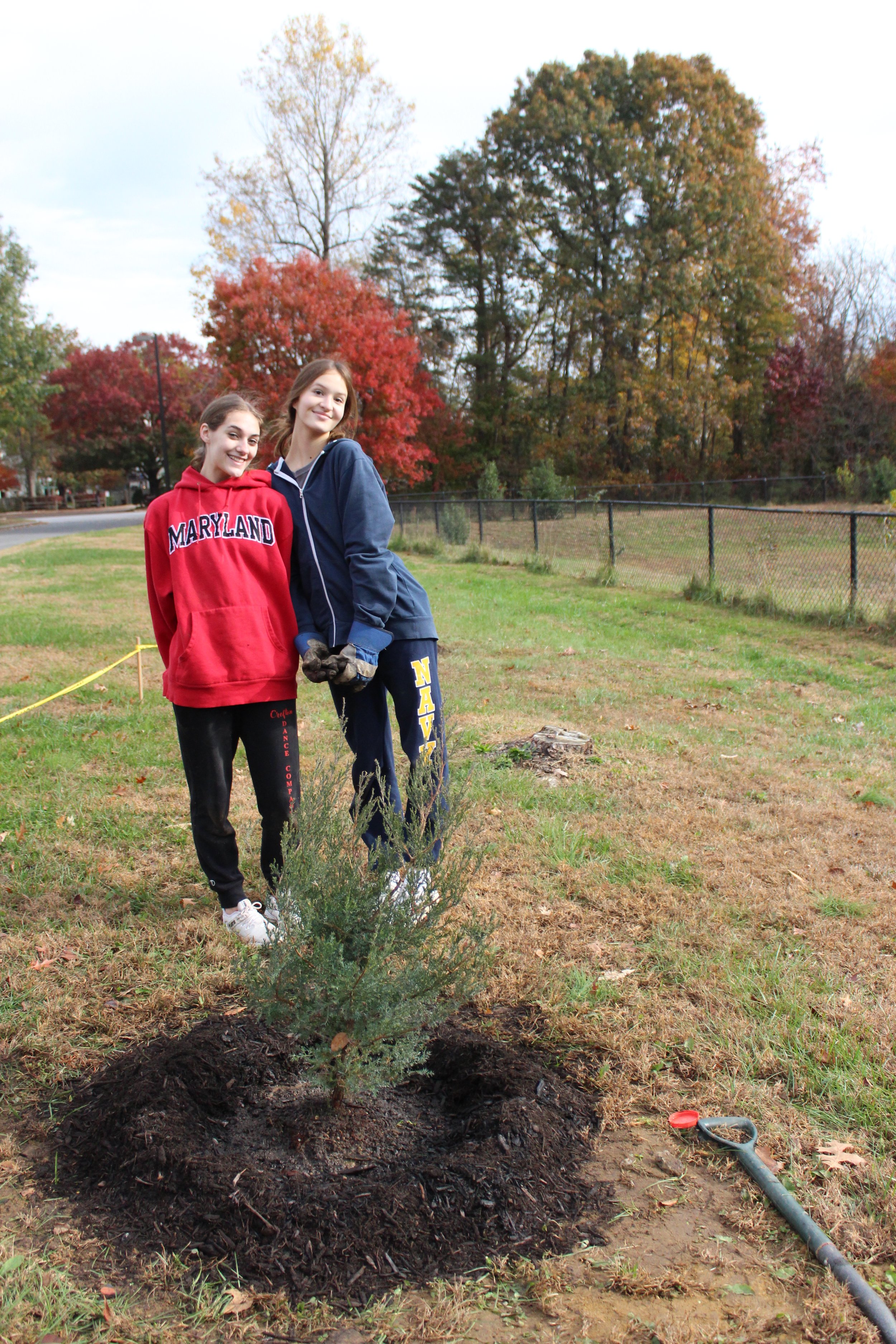
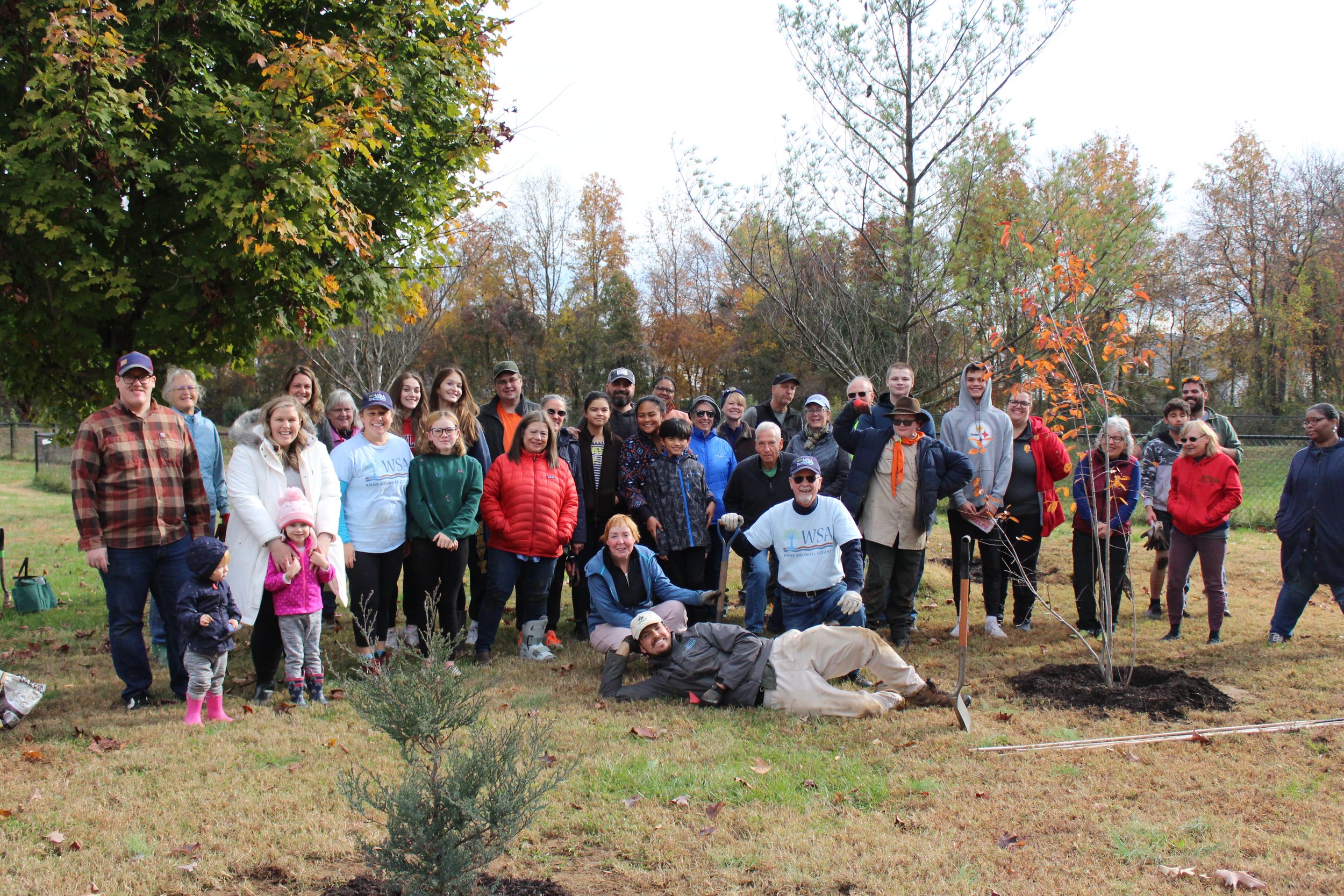
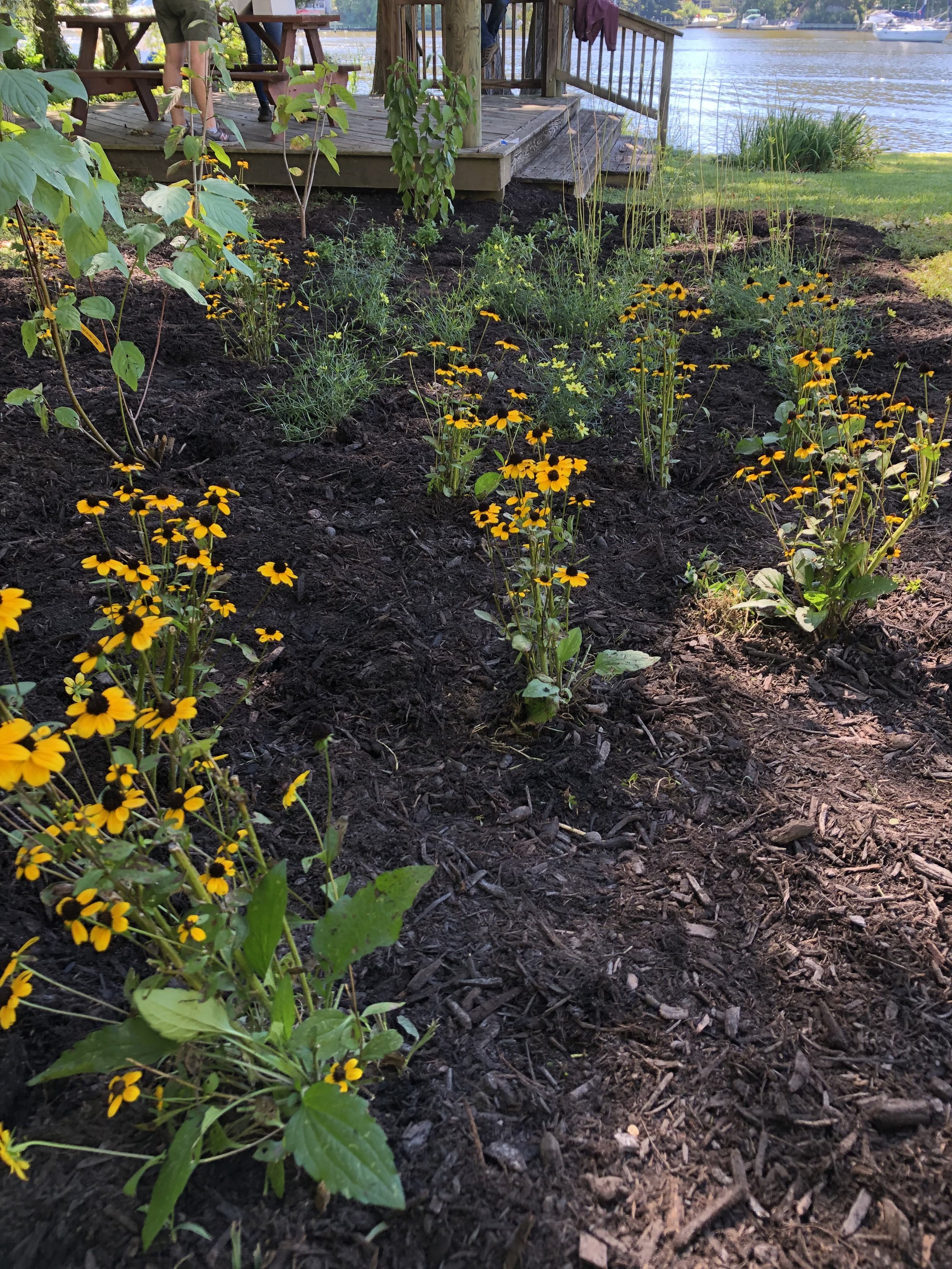
Today, the Serene Ravine is an oasis filled with flowering native plants, trees and shrubs. Stewards Stacy Wildberger and Jeanne Martin marked Earth Day with a children’s event at the Serene Ravine, a location they and other CCC members have worked hard to restore.

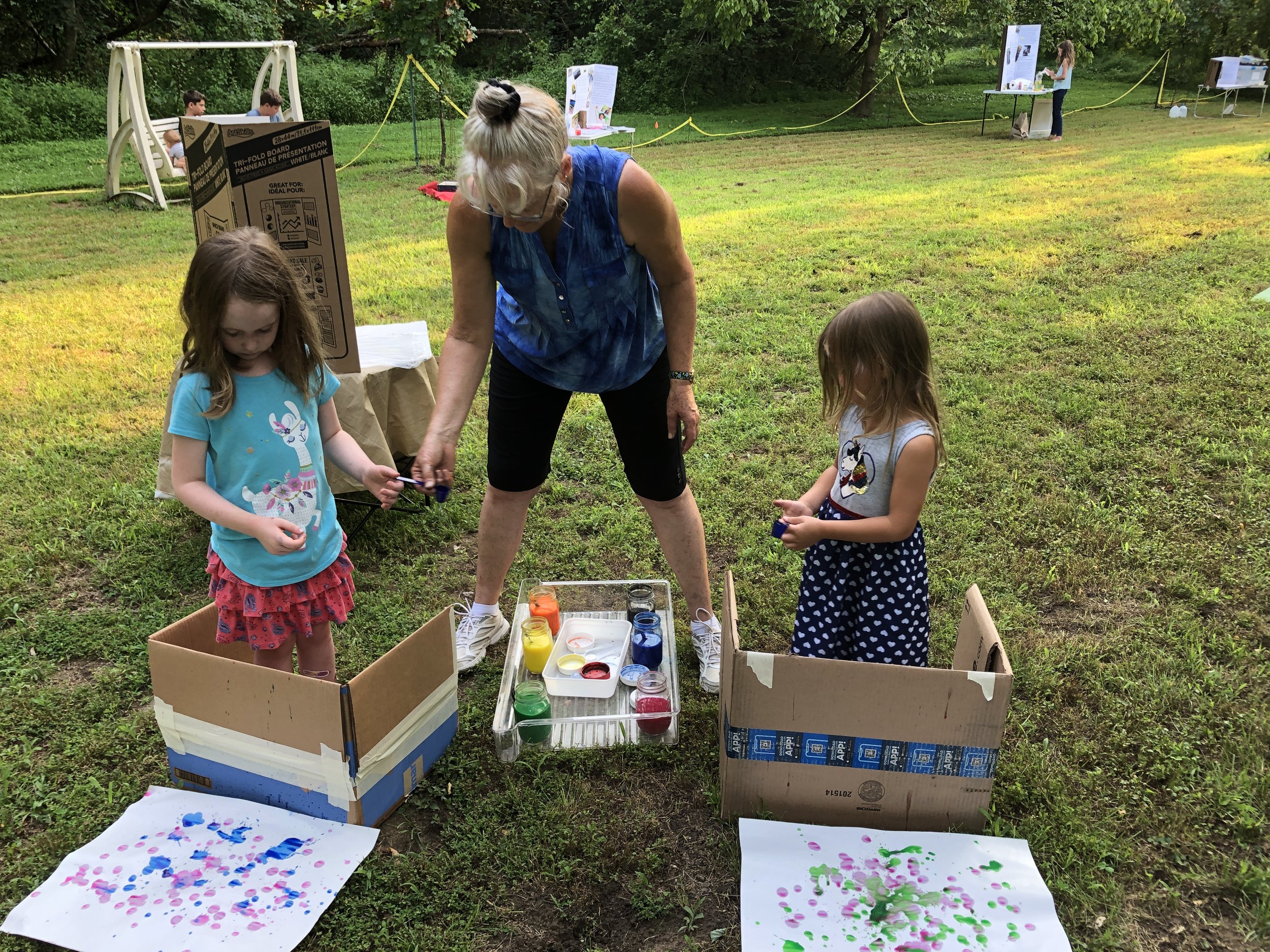
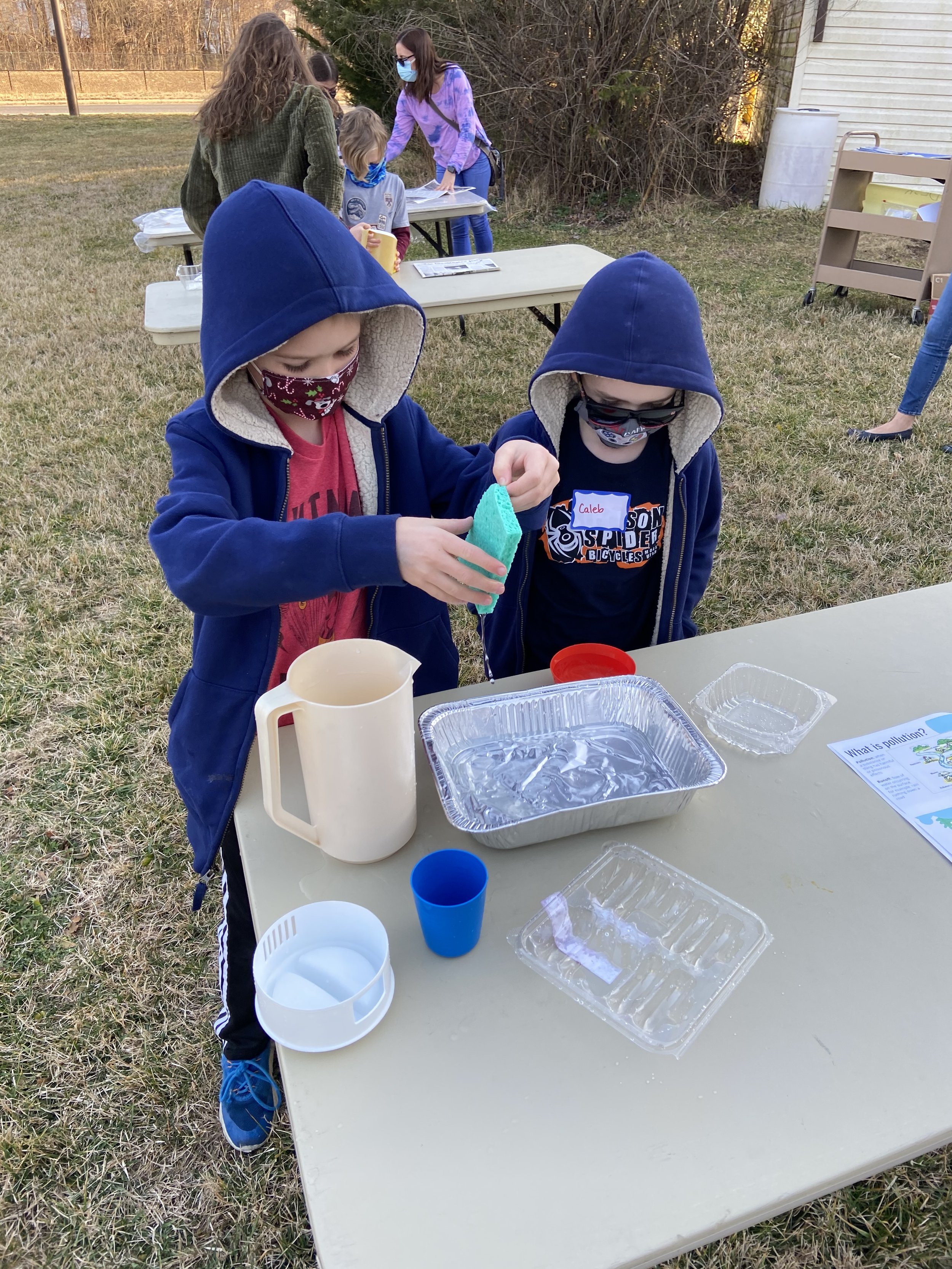
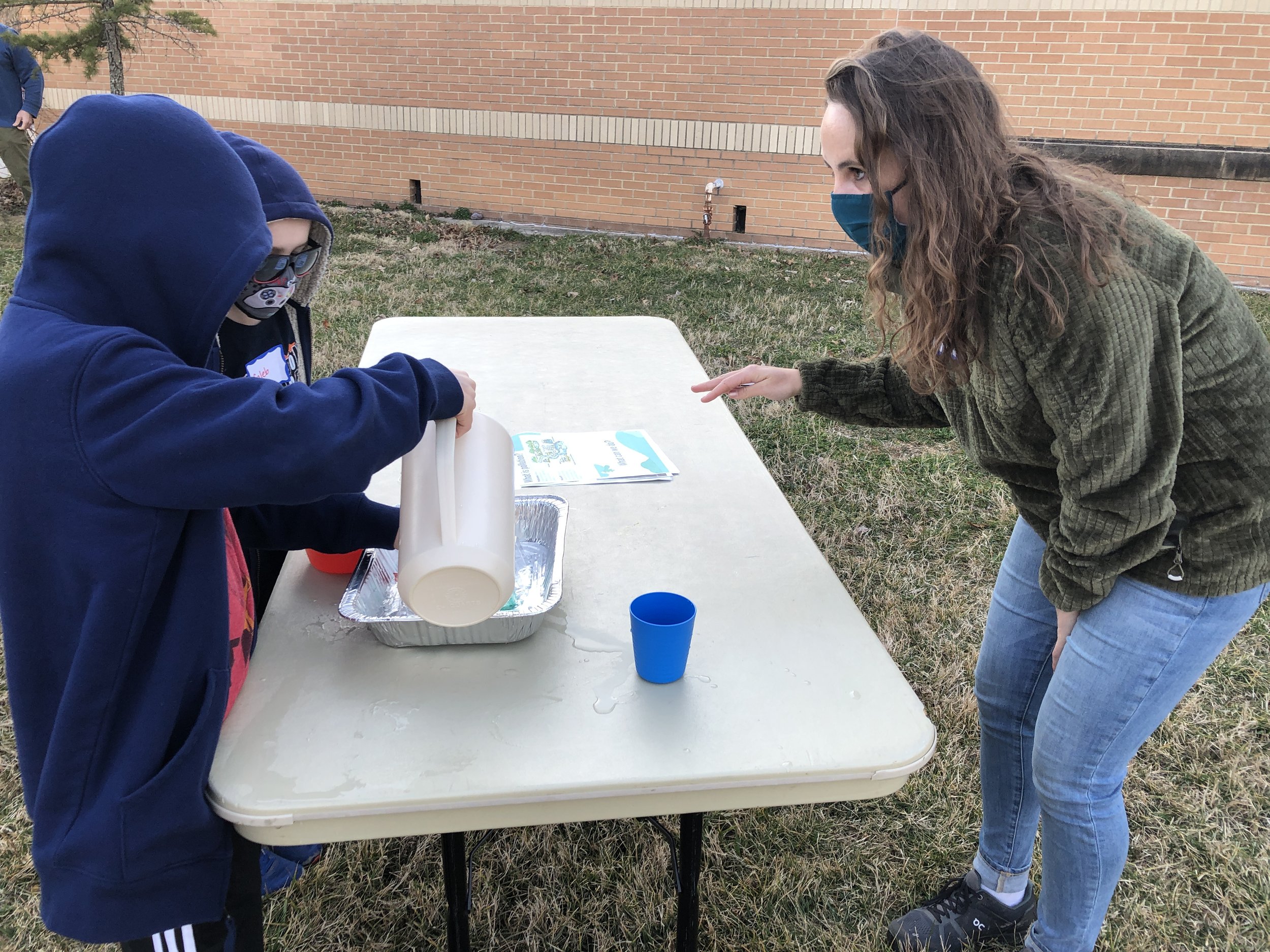
They presented Water Savers info, led a bird feeder craft project, and held a book swap, all geared to the youngest environmentalists, ages 3 to 12! High school students led the little ones in the craft creation, passing on their environmental care and passion to the next generation.

Using Behavior Change Science to Affect Change

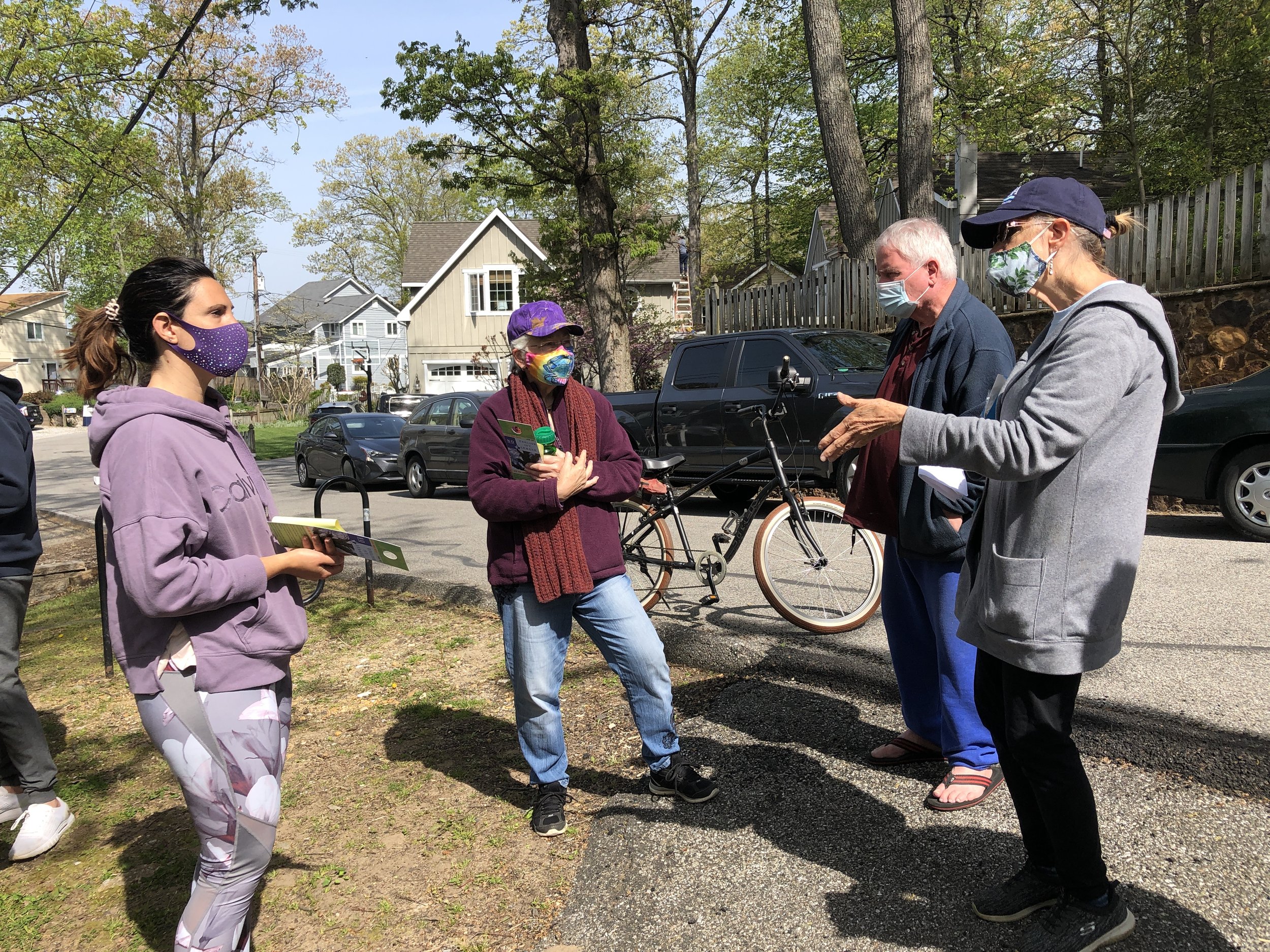
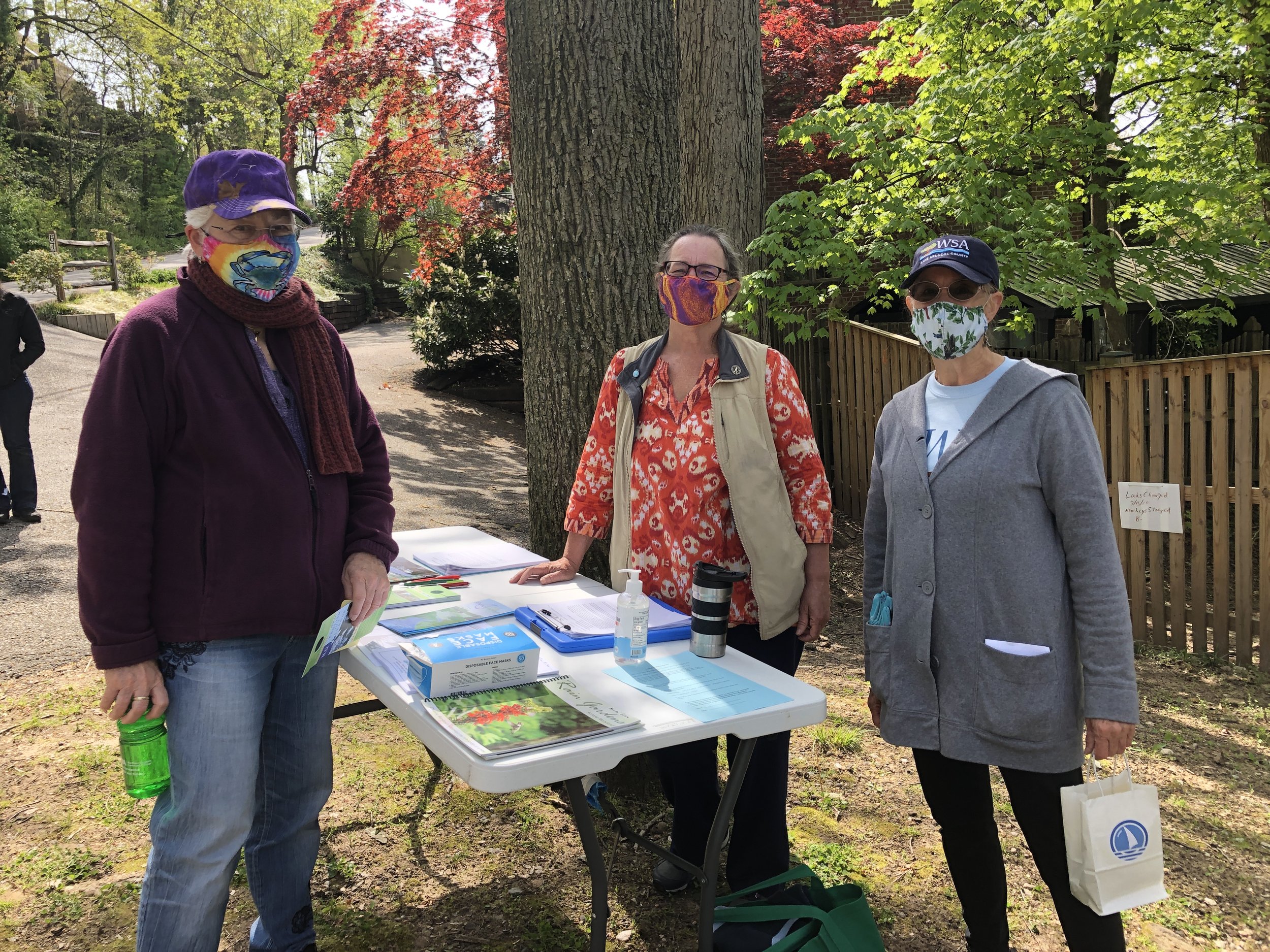
During the Habits that Help session of the WSA Certification Course, Steward Jeanne Martin learned about helping community members overcome barriers to adopting new, beneficial behaviors.   Once she identified her priority behavior (protecting tree canopy by removing english ivy) she needed to learn about her community’s barriers to adopting this behavior so, right during class, she launched a survey to Cape St. Claire residents asking what help they needed to protect their trees.   
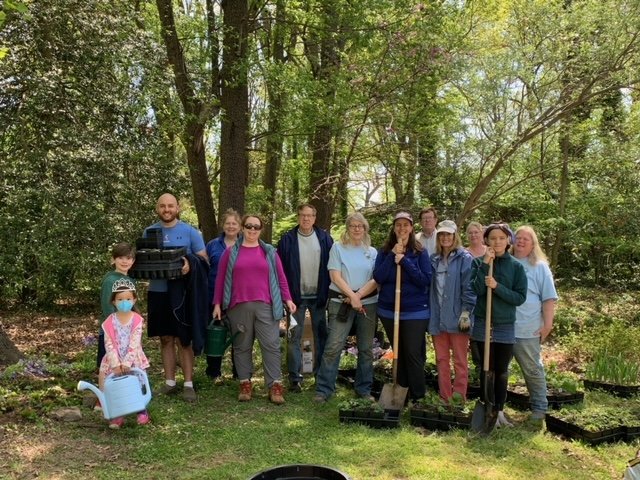
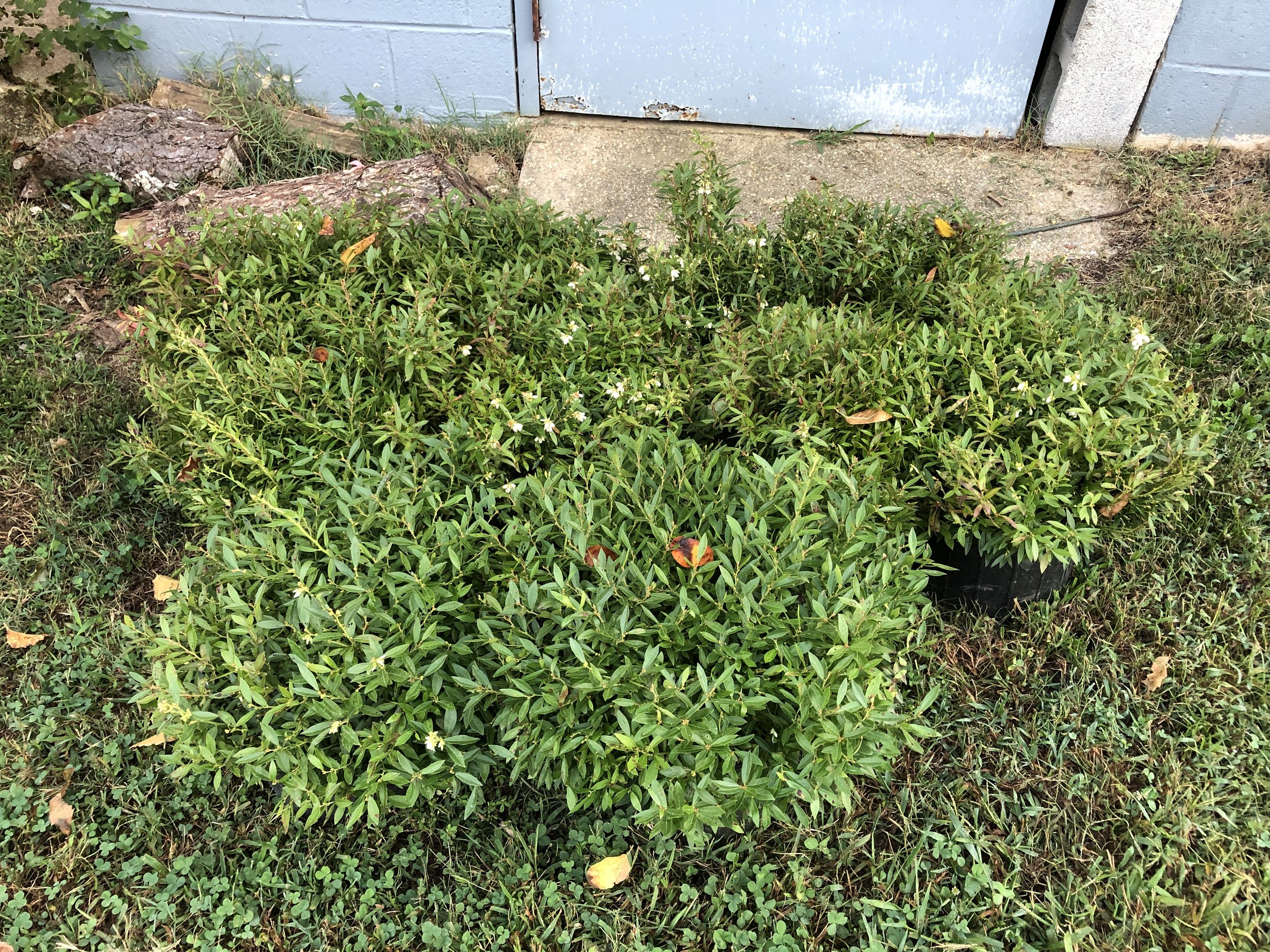
Steward Stacy Wildberger did the same thing in Fall 2020 to help her community replace invasive shrubs with native ones.   She learned that community members needed (1) someone to identify their invasive shrubs and  choose appropriate native replacements (2) help procuring the right natives and (3) help removing the stubborn invasive shrubs.   This resulted in a very successful invasive/native plant swap that has been ongoing for two seasons. This spring, Cape St. Claire residents who pledged to remove invasives such as nandina, burning bush and Japanese barberry, were given free native shrubs (ninebark, gro-low or red chokeberry). The result was the removal of 50 invasives and planting of 90 natives! 

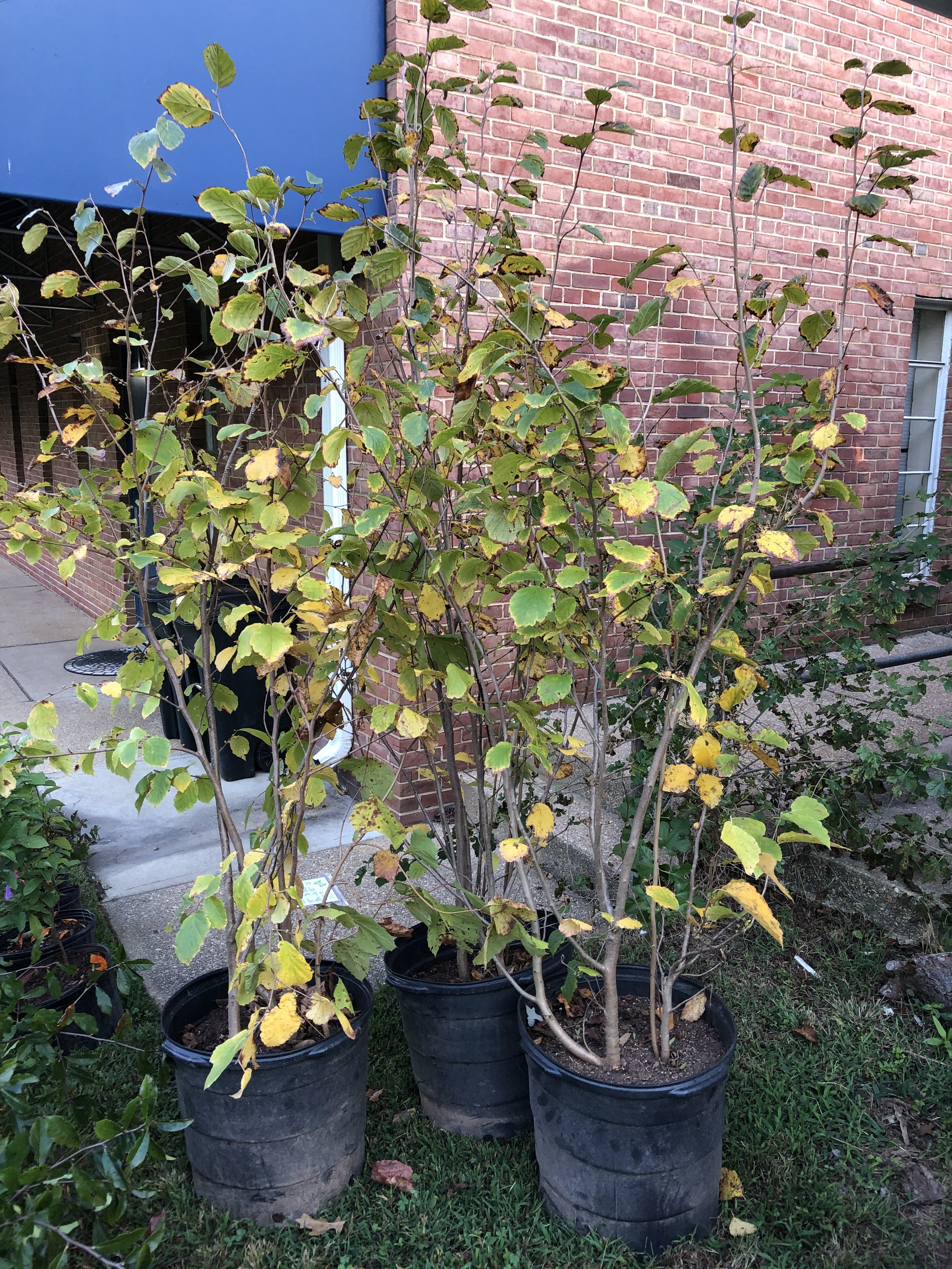
When it comes to behavior change, helping community members overcome their barriers such as access to native plants and knowing which plants to plant, is key to helping people take positive actions.  When it comes to planting natives, Cape Stewards make it easy for residents!  Each fall,  the Cape Conservation Corps native plant sale brings thousands of natives right to the community! In addition to Stacey’s shrub swap,  84  native trees were delivered to the Cape St. Claire clubhouse for residents to plant in their yards.

Recognizing Great Stewardship

The enthusiasm for native plants is catching on in Cape St Claire. The Habitat Hero award recognizes Cape neighbors who create exceptional wildlife habitat in their yard.

Engaging Community Volunteers 

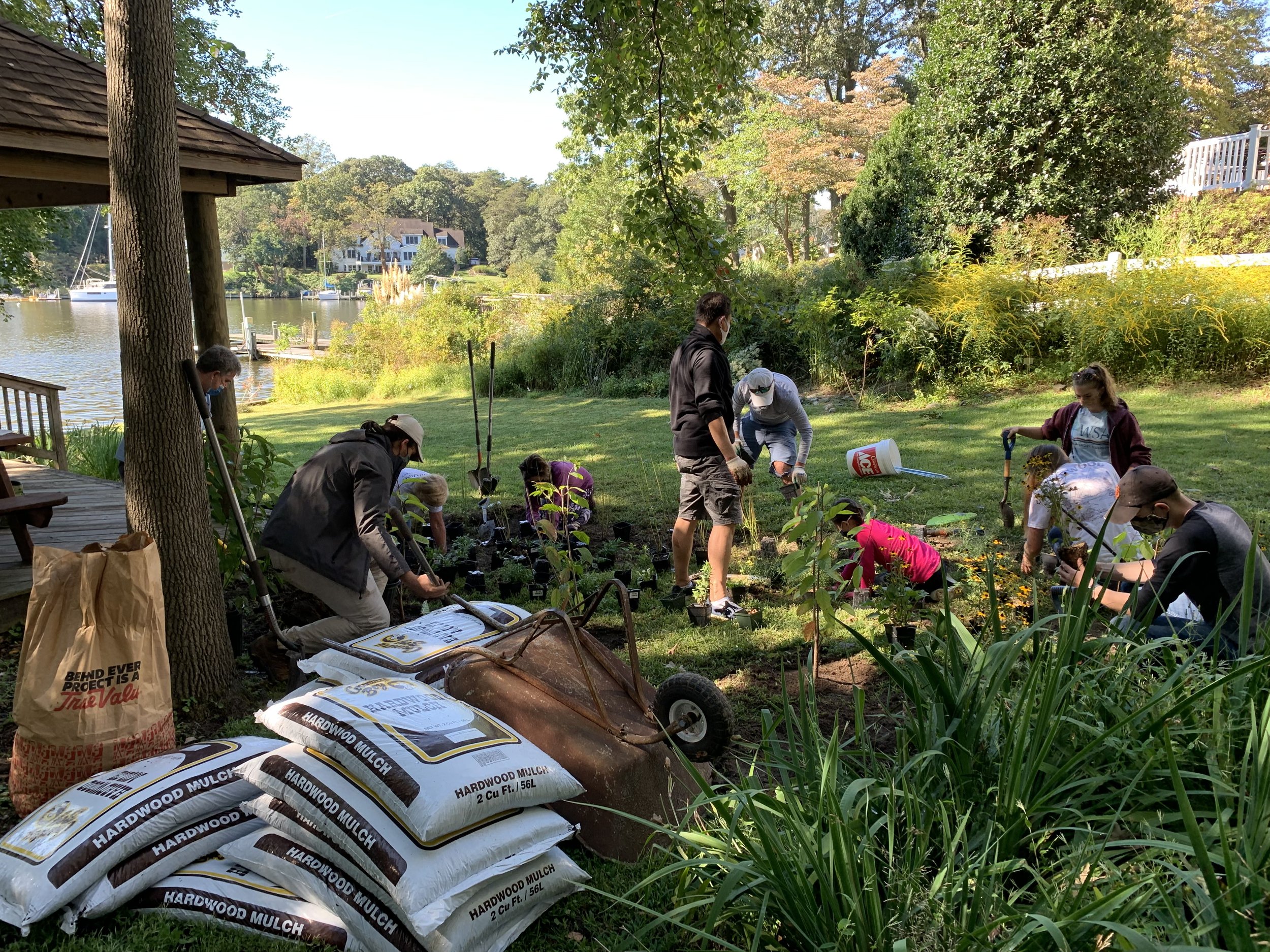
Steward Stacey says volunteers are essential. In fact, that’s the title of her latest Cape Conservation Corps blog. She explains the work this way: “Volunteers are the backbone of the work Cape Conservation Corps does in the community. We have been so fortunate over the years to have so many students, community members, board members and families come to support us and create healthy natural areas through invasive species control and planting native plants, champion healthy waterways for clean, swimmable and fishable areas through storm water management and take pride in healthier ecosystems.” Of course, none of this can be successful without leadership and that is what Stacey provides… along with wisdom, inspiration, a kind word, and experience.

The Newest Steward in the Cape

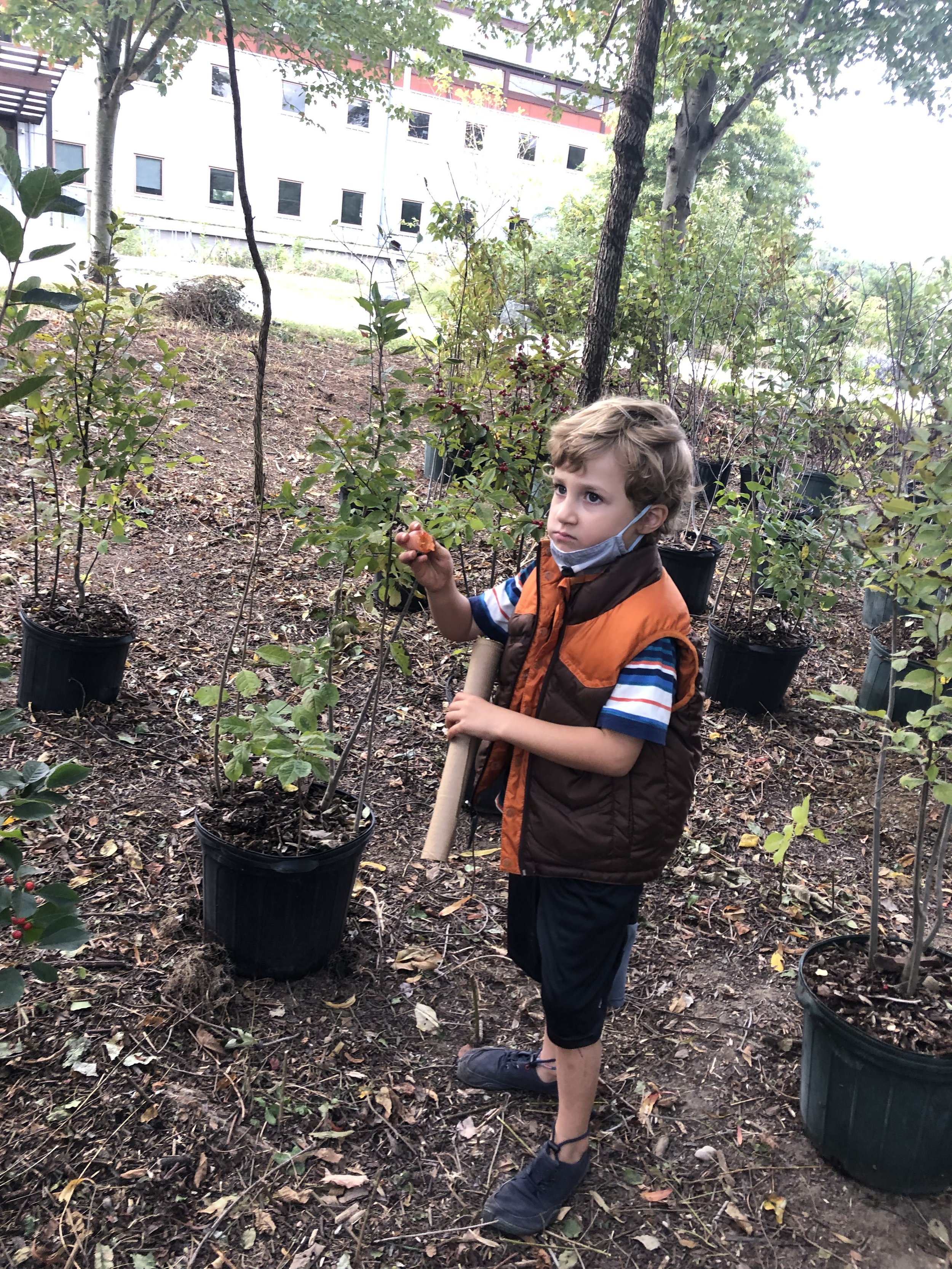
This fall Steward Candidate Lydia McPherson (Class 14) will lead an expansion of an invasive removal project begun by Jeanne Martin (Class 13) last year at the Cape boat ramp. Because her planting won’t go in until the fall, she is using the “already replanted” area compared to the “still overgrown with invasives” area as a teaching tool for the community this summer. The juxtaposition is the perfect “before and after” illustration.
Class 13's Impact

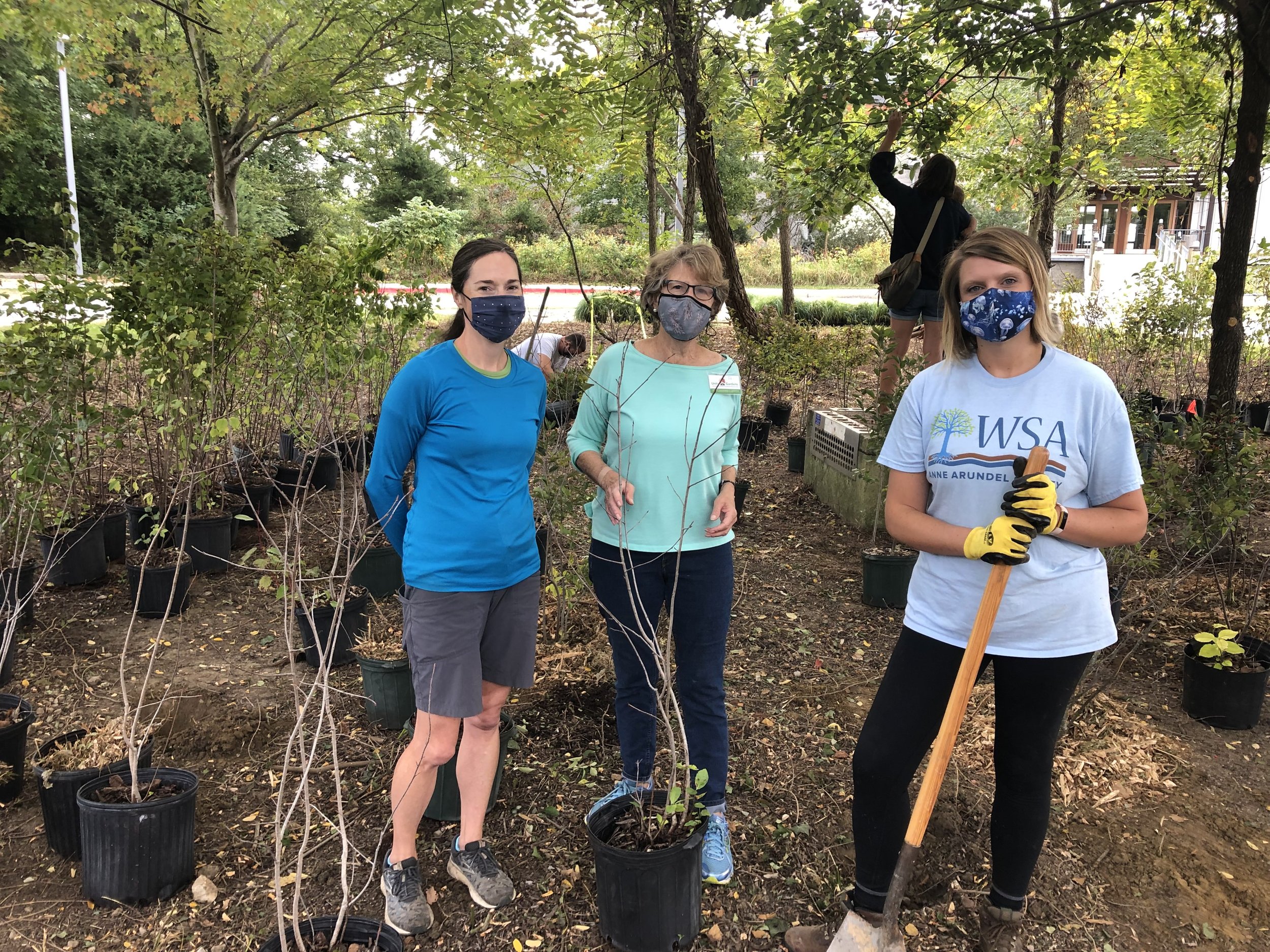
Each year, Steward Candidates complete a capstone project as part of the Certification Course. From creating activities to engage students in environmental literacy to planting hundreds of perennials in a conservation landscape, Class 13 Stewards made an impact on clean water throughout the county!

Allison Colden

Project: Invasive removal and conservation landscape planting
Location: Chesapeake Bay Foundation Headquarters ⬝ Severn River Watershed

Allison and her team of CBF staff and community volunteers removed invasive plants from an existing bioretention area on the property and installed a 1,550 square foot conservation landscape consisting of 180 perennials.


Linda Meyer

Project: Community engagement programming
Location:
Gravely neighborhood (Davidsonville) ⬝ Severn River Watershed

Linda gathered environmental stewards of all ages for Water, Water, Water and Plants, Plants, Plants! Over the course of two evenings, her neighbors explored the impacts of stormwater and identified native and invasive plants. Through hands-on art and science activities, attendees were inspired to protect and restore the natural resources around them!


Diane Rey

Project: Launched a Green Team with ongoing educational outreach
Location:
Christ Our Anchor Presbyterian Church (Cape St. Claire) ⬝ Severn River Watershed

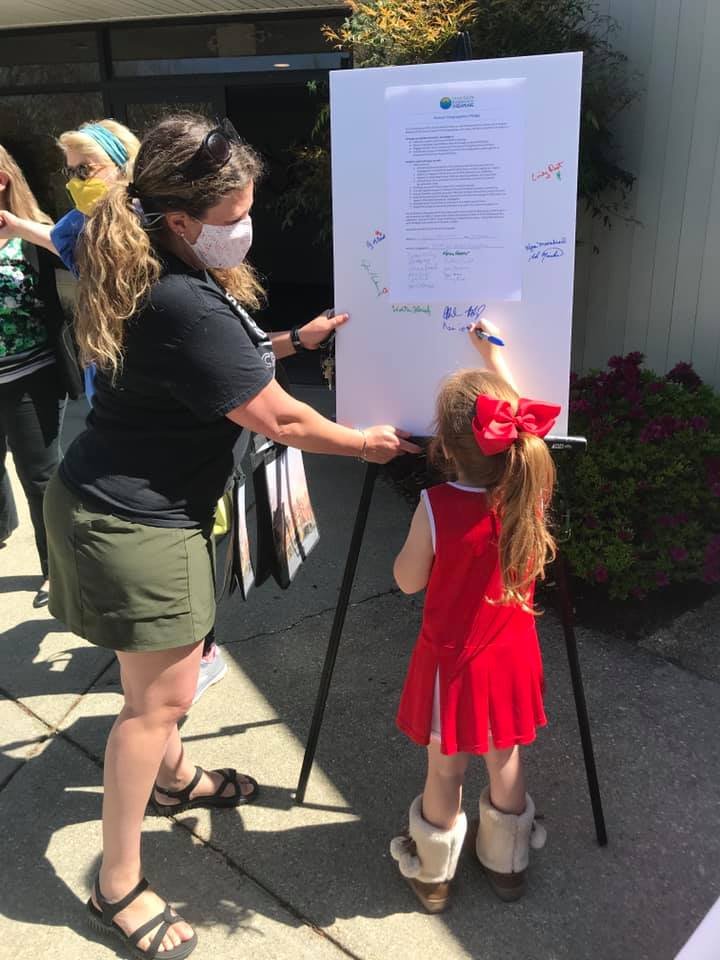
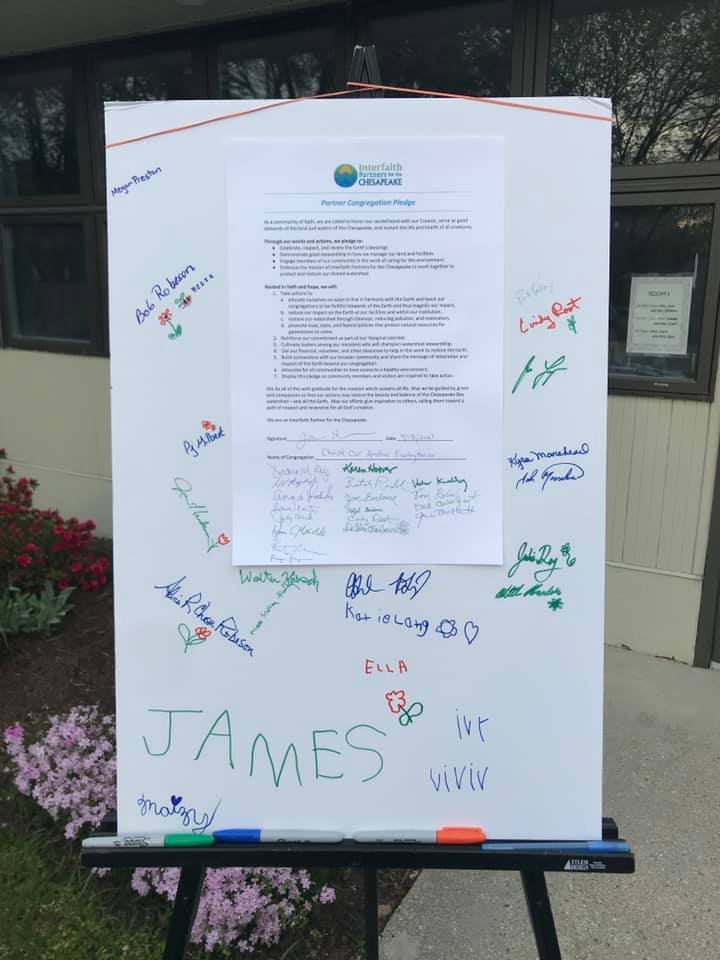
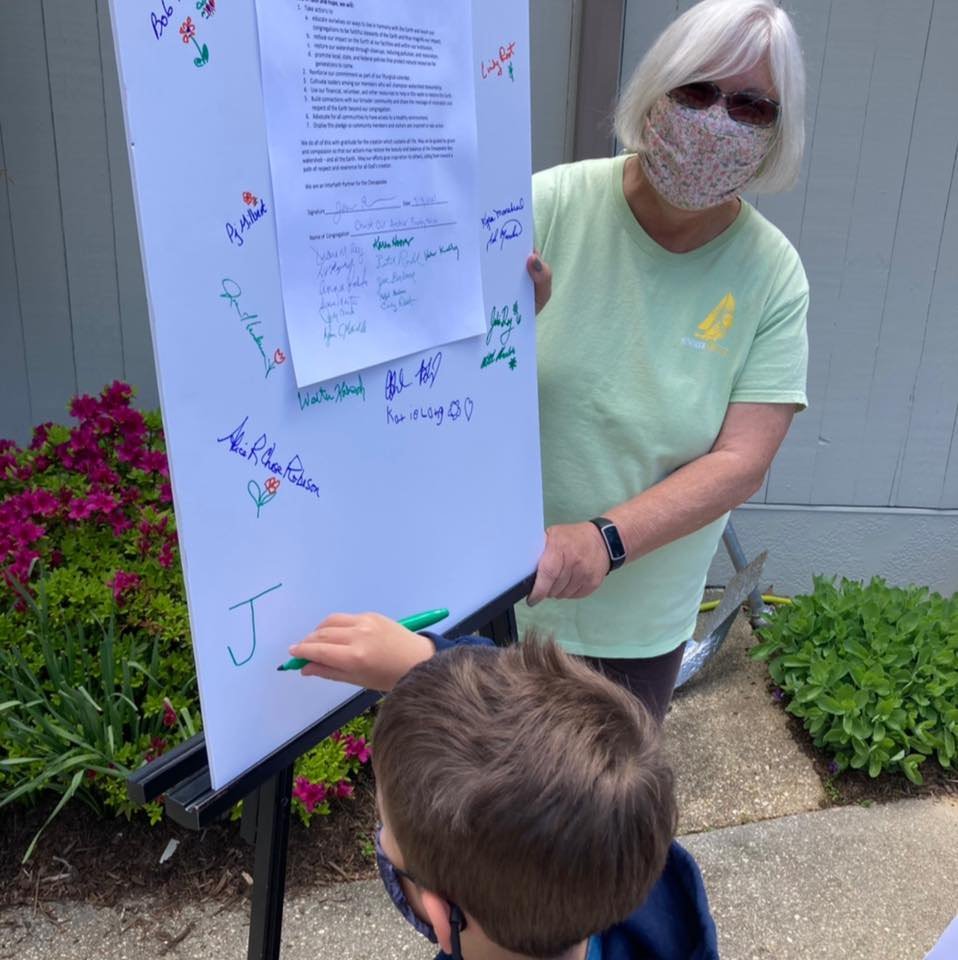
Diane organized her congregation’s Green Team to encourage church members to adopt environmentally friendly habits. Through virtual and in person events, the team inspired over 50 congregants of all ages to to restore, honor, and protect the Chesapeake Bay.


Jenny Janis

Project: Conservation planting
Location:
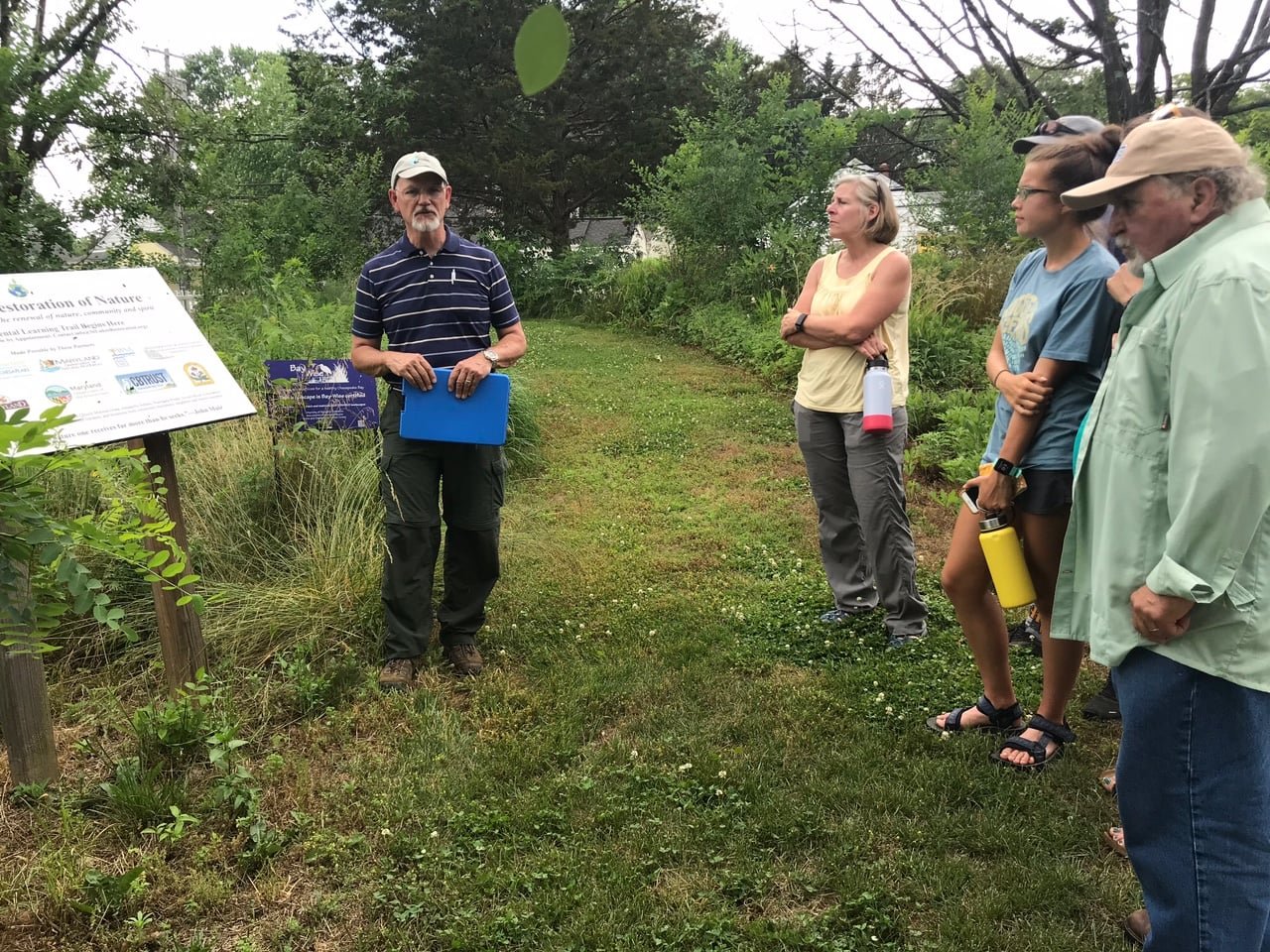
St. Luke’s Restoration of Nature (Annapolis) ⬝ Severn River Watershed

Jenny and her team of volunteers planted over 200 trees and shrubs in a conservation planting at St. Luke’s. The newly installed understory planting will prevent erosion along a sloped trail area while providing food and shelter for the critters who call the restoration home.


Lynette DelPrete

Project: Conservation landscape planting
Location:
Maryland City at Russett Public Library (Laurel) ⬝ Little Patuxent Watershed

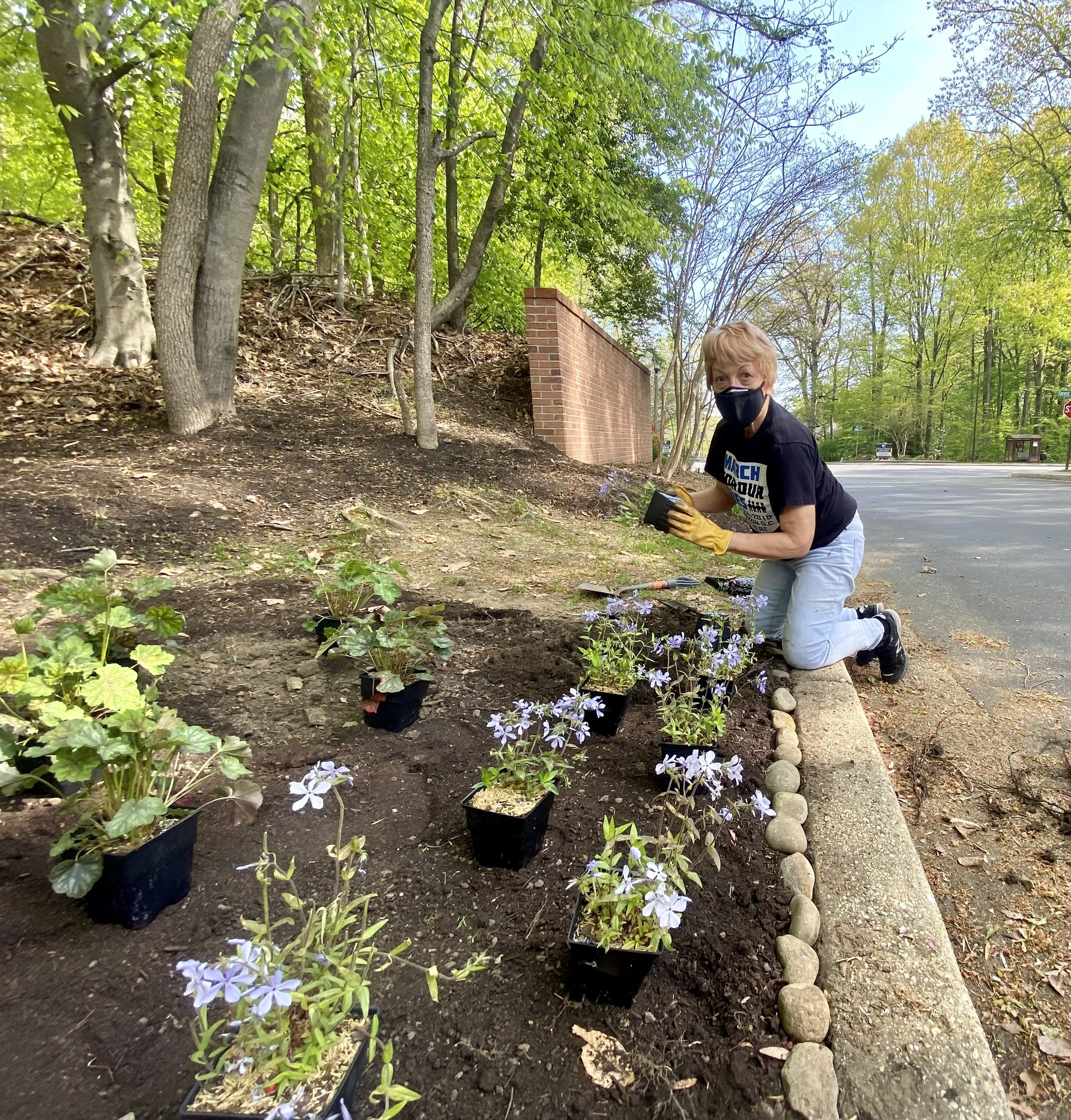
Lynette and volunteers removed invasives and installed a conservation landscape at the library entrance. Nearly 120 native plants, including Black eyed Susan, smooth blue aster, butterfly weed, and beautyberry will support pollinators, reduce runoff, and promote sustainable landscapes to library visitors of all ages!


Lucy Heller

Project: Rain barrel and conservation landscape installation
Location:
Alliance for the Chesapeake Bay (Annapolis) ⬝ Severn River Watershed

Lucy worked with Alliance staff to install a rain barrel and went live on Facebook while doing it! In case you missed it, you can watch it here. Then, she engaged volunteers to plant over 100 native perennials and shrubs in a conservation landscape!


Phyllis Saroff

Project: Neighborhood tree planting
Location: Hillsmere Community (Annapolis) ⬝ Severn River Watershed

Annapolis’ Hillsmere neighborhood is home to 20 newly planted native trees, thanks to Phyllis and her volunteers! Located at a highly trafficked water access point, the trees will soak in stormwater runoff before it enters Duvall Creek.


Meg Kirkendall

Project: Virtual education programming and litter clean up
Location:
Odenton Public Library (Odenton) ⬝ Severn River Watershed

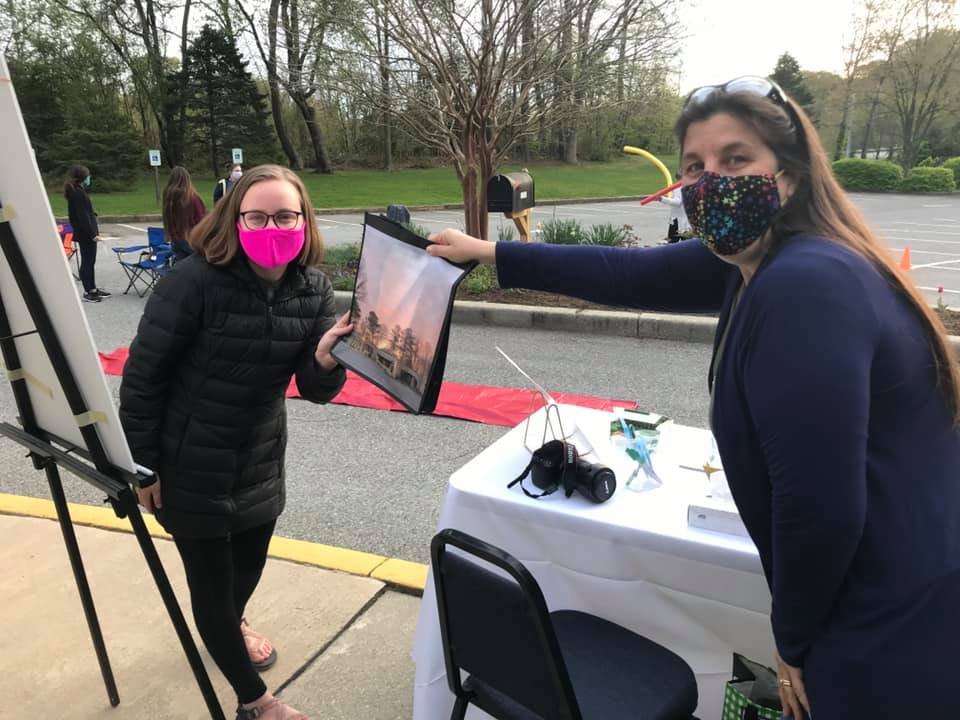
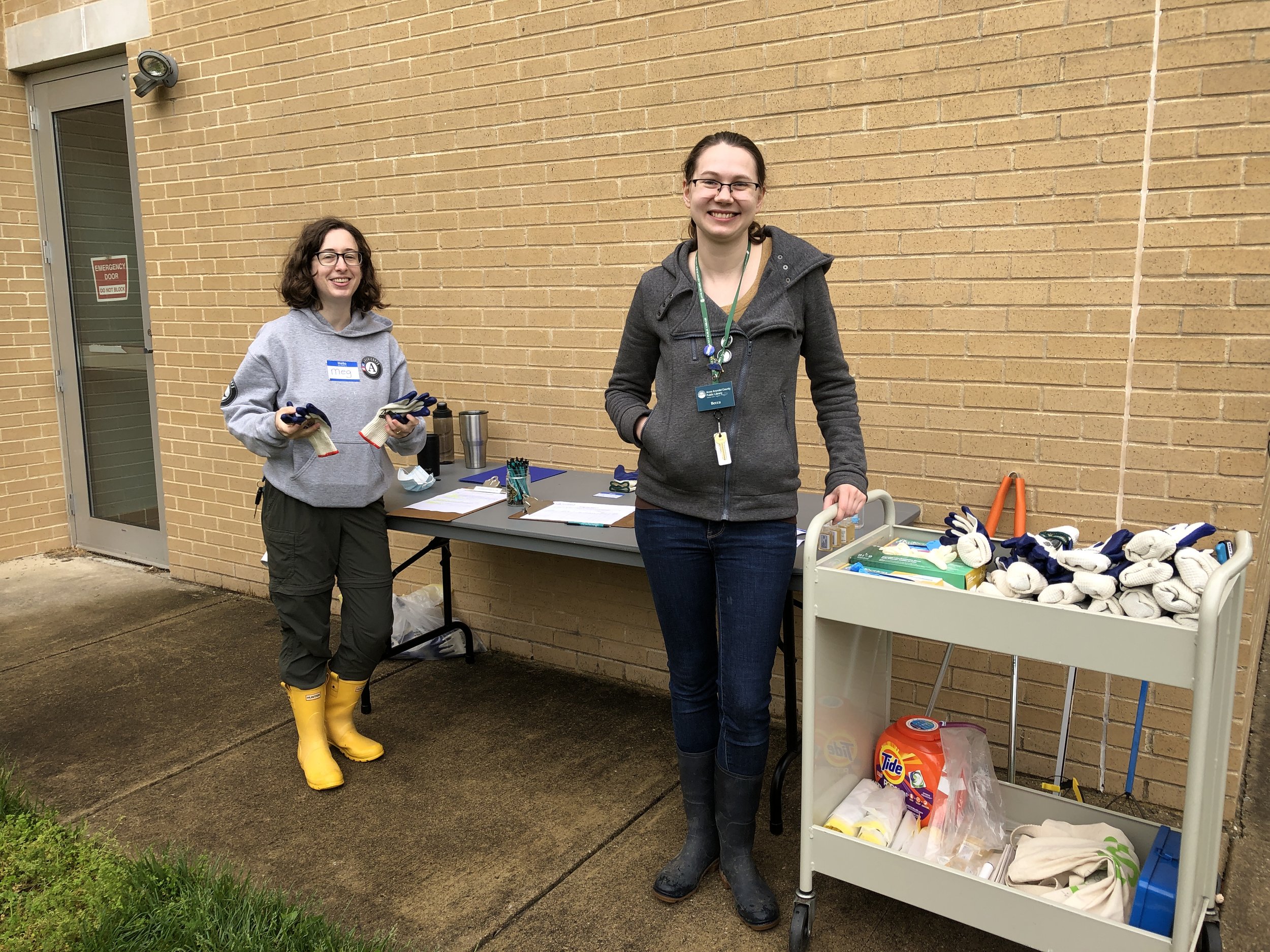
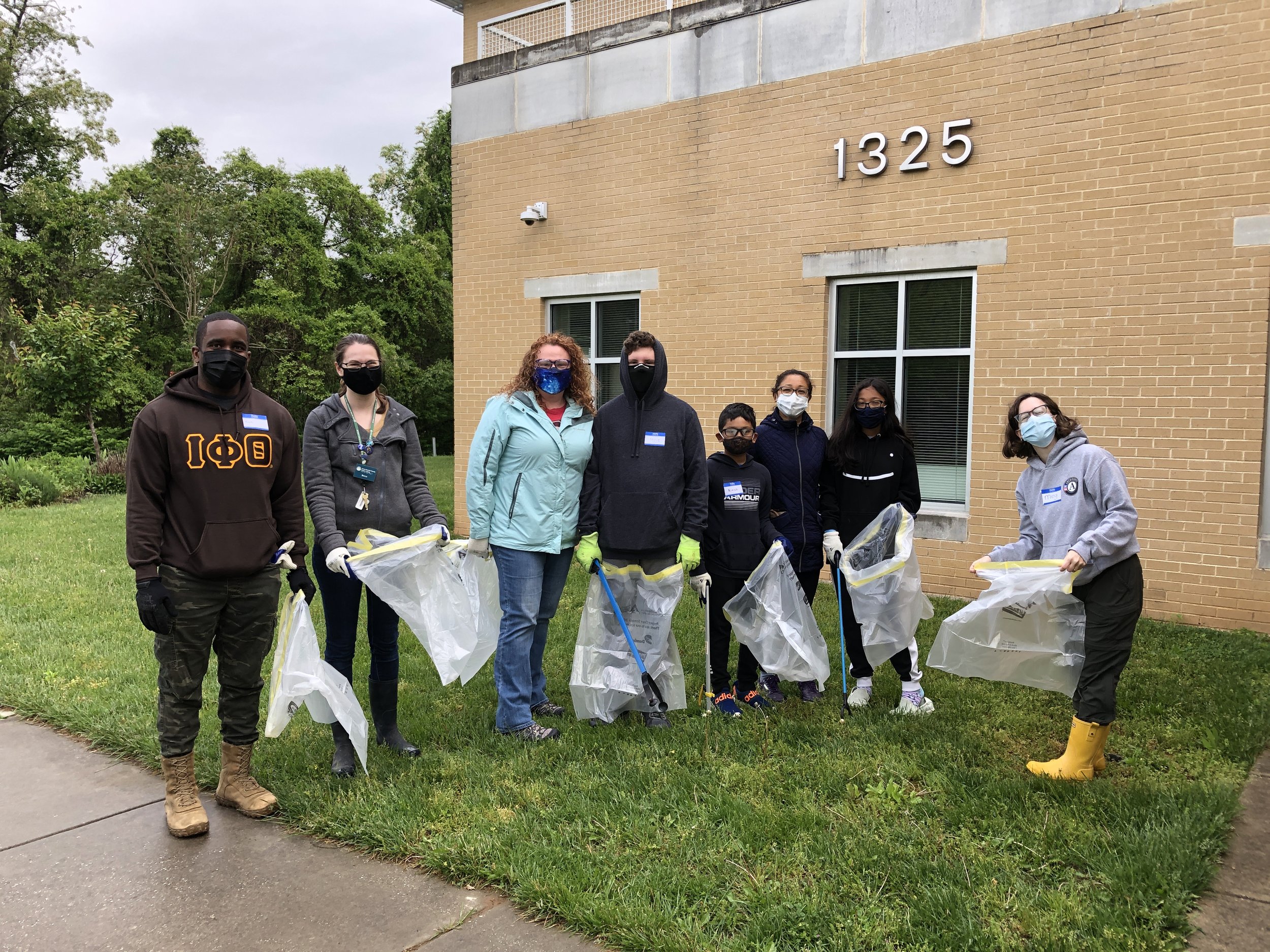
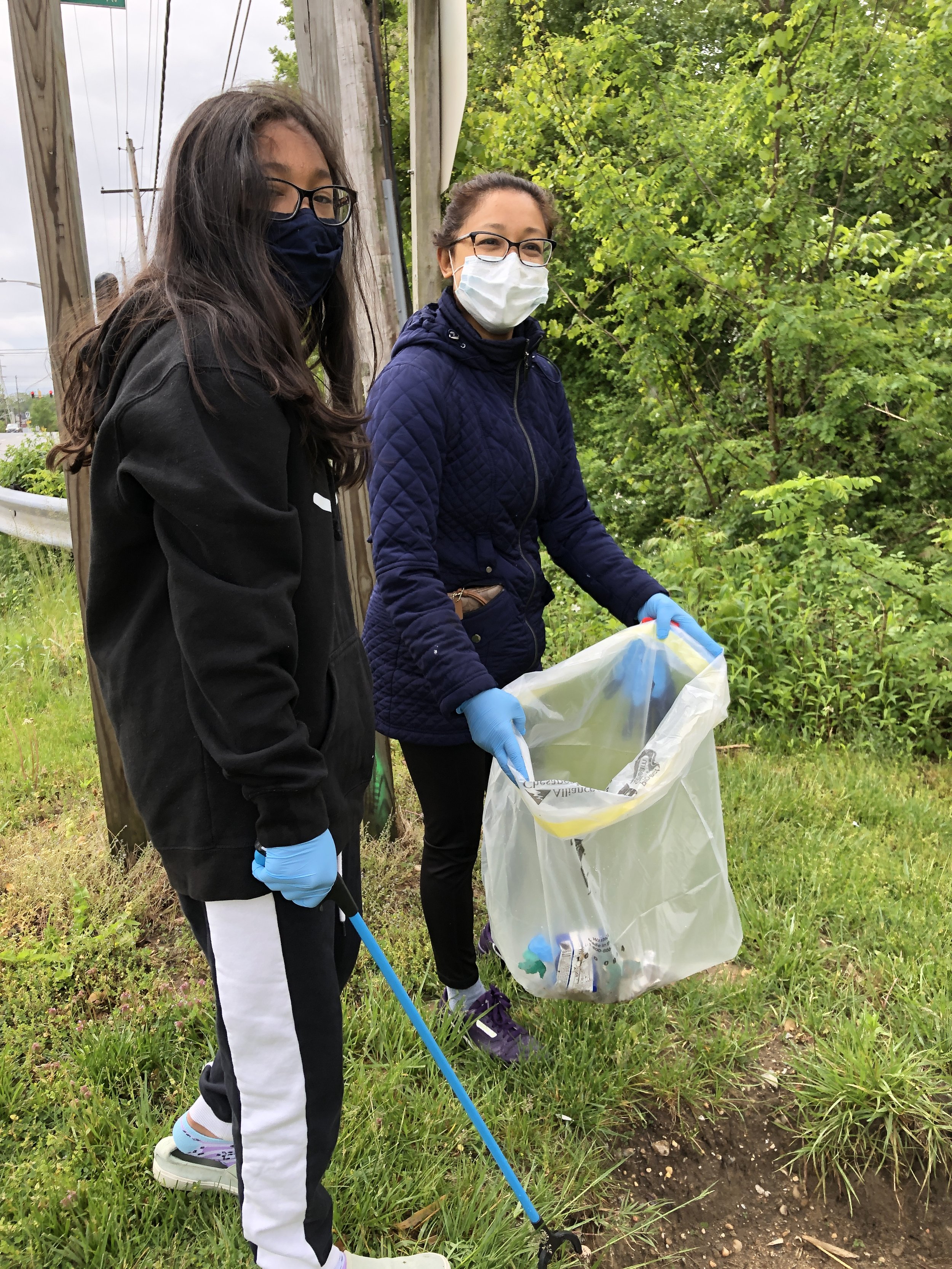
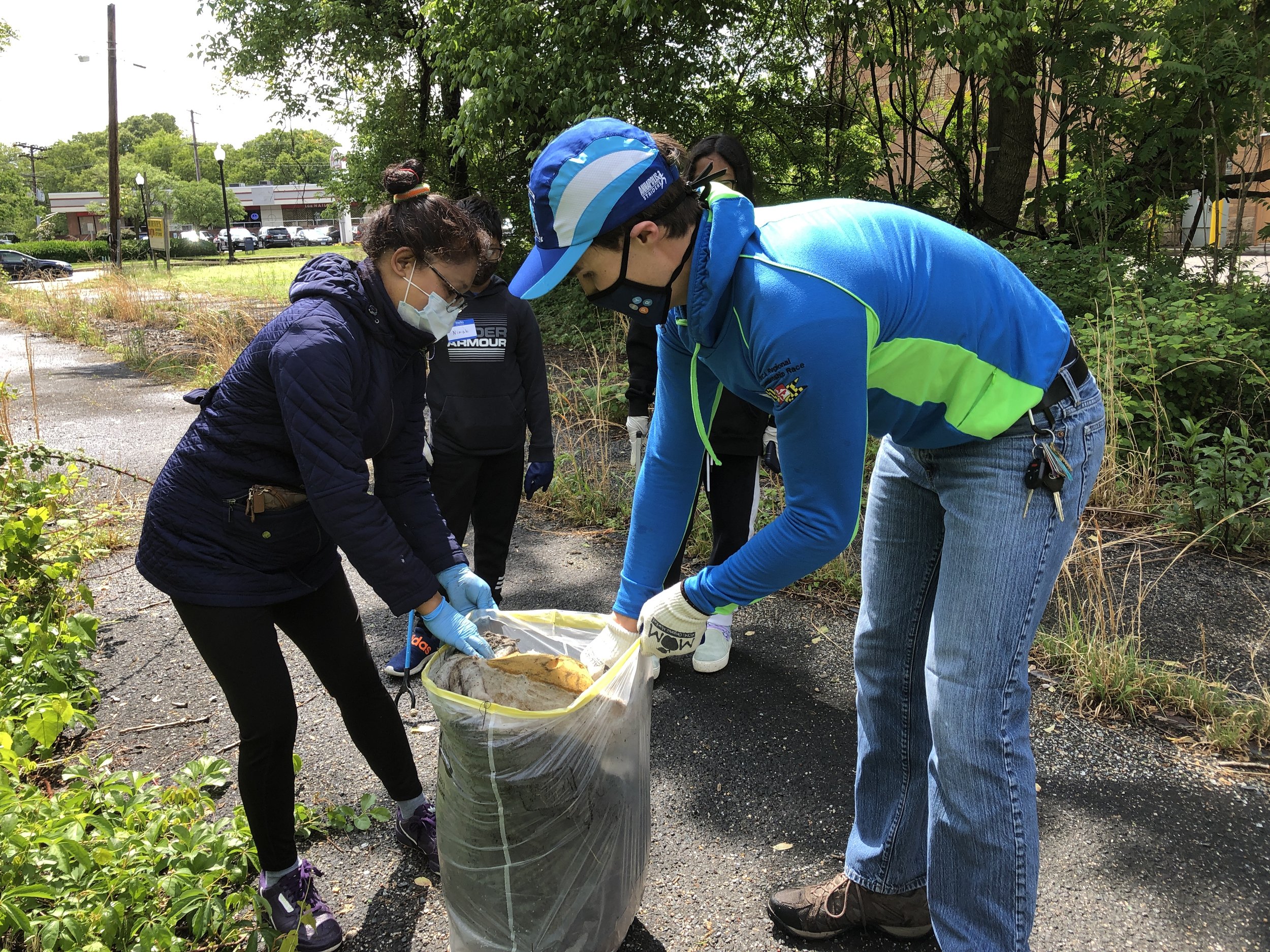
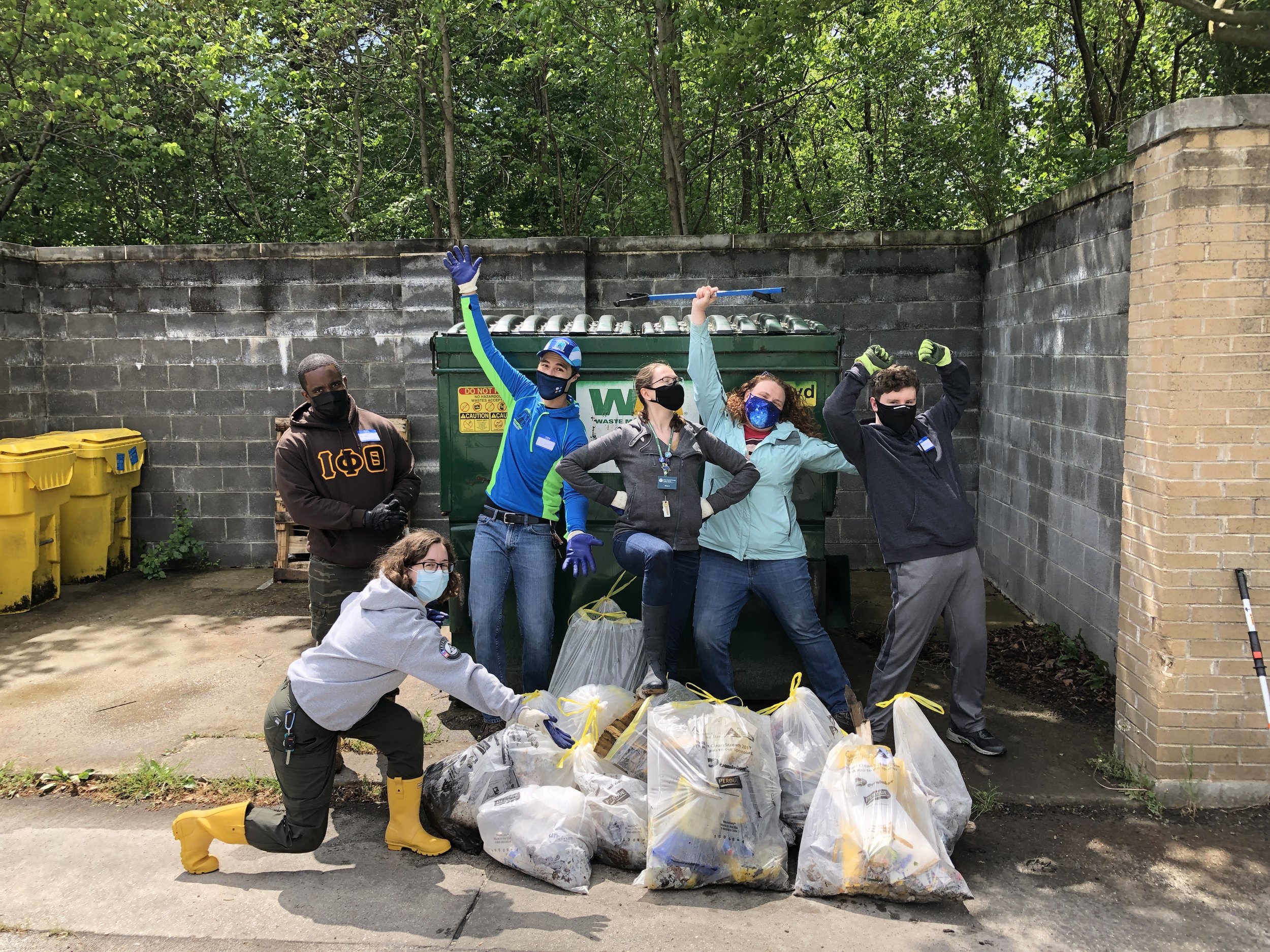
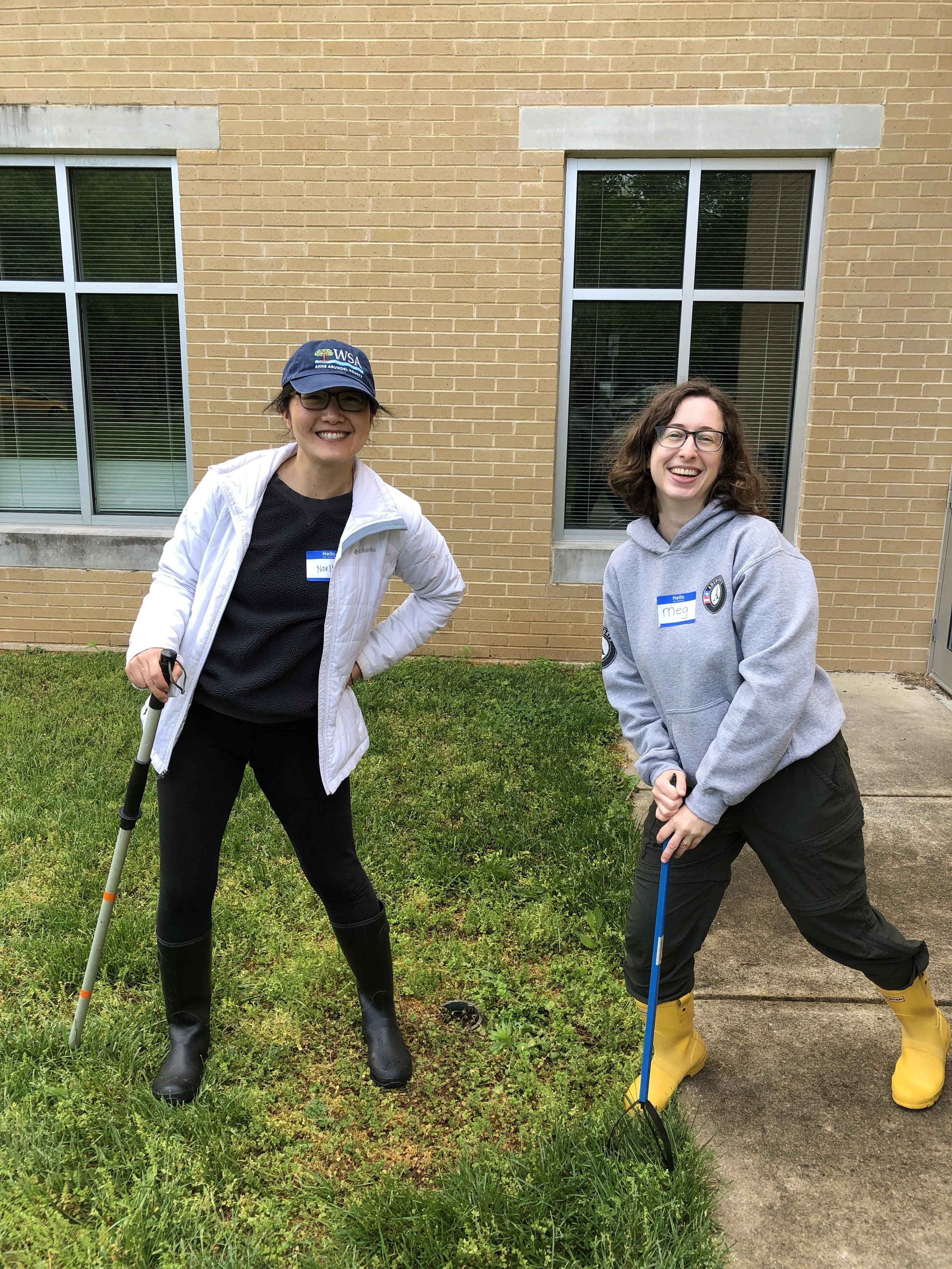
Meg coordinated three virtual events on Earth Day, engaging community members of all ages in environmental programming. Attendees were introduced to a vulture and explored other wildlife in their backyards. Inspired by their discoveries, a crew of volunteers joined Meg to clean up trash around Odenton Public Library.


Kate Vogel

Project: Programming for Anne Arundel County Public Library
Location: Annapolis and Crofton Public Libraries ⬝ Severn River and Little Patuxent Watersheds

Kate designed and hosted an environmental literacy program called “What is a Watershed?” for students at two county libraries. Through hands-on activities, the students discovered what makes a watershed healthy and explored the differences between pervious and impervious surfaces. Inspired by their newfound knowledge, the students discussed how to reduce pollution in their own neighborhoods.


Kimberly Stringer

Project: Conservation landscape planting
Location: South Drive (Severna Park) ⬝ Magothy River Watershed

Kimberly planned and installed an expansion of an existing conservation landscape and raingarden in her Severna Park neighborhood. With the help of volunteers, the native plants installed will prevent flooding and standing water, while inspiring neighbors to introduce native plants in their own yards.


Mary Mulvihill

Project: Conservation landscape planting
Location: Beechwood Hill (Annapolis) ⬝ Severn and South River Watersheds

Mary and her community installed a conservation landscape at the community’s main entrance. The highly visible location demonstrates how native shrubs, grasses, and perennials can redress slope and soil erosion caused by stormwater runoff; replaces compacted turf grass to allow better stormwater infiltration; provides habitat; and beautifies property grounds.


Stacey Wildberger

Project: Conservation landscape planting
Location:
Cape St. Claire (Annapolis) ⬝ Magothy River Watershed

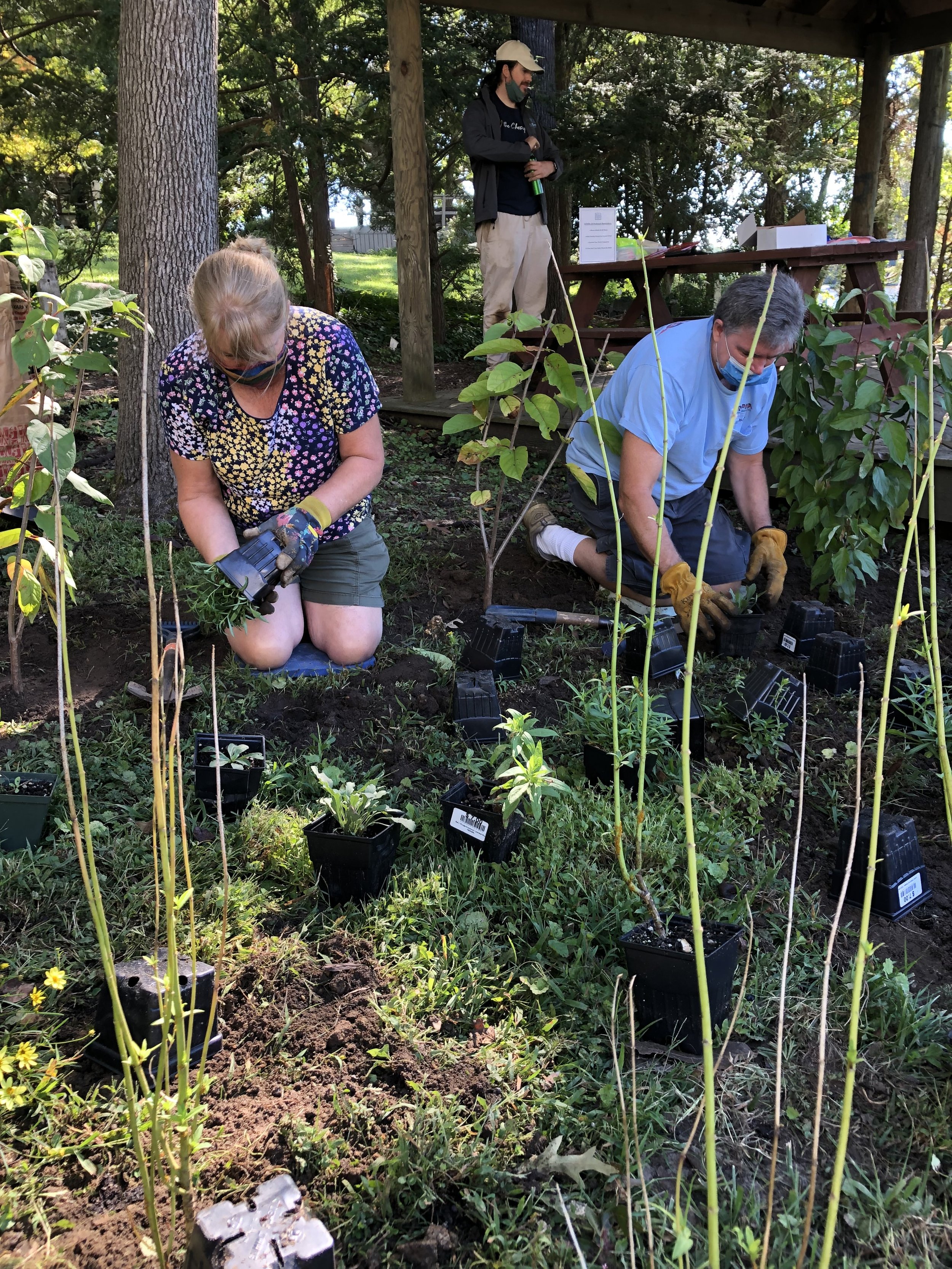
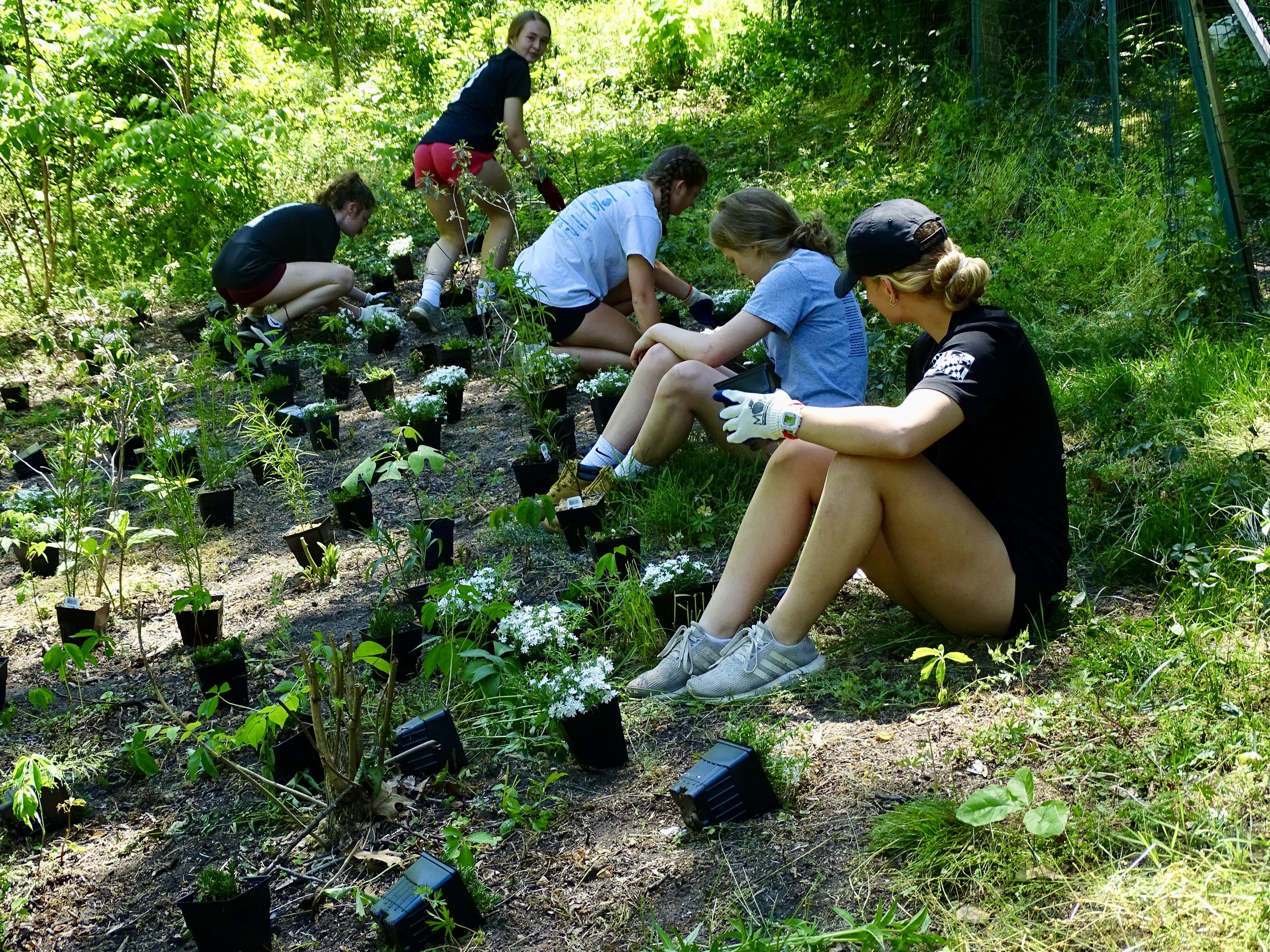
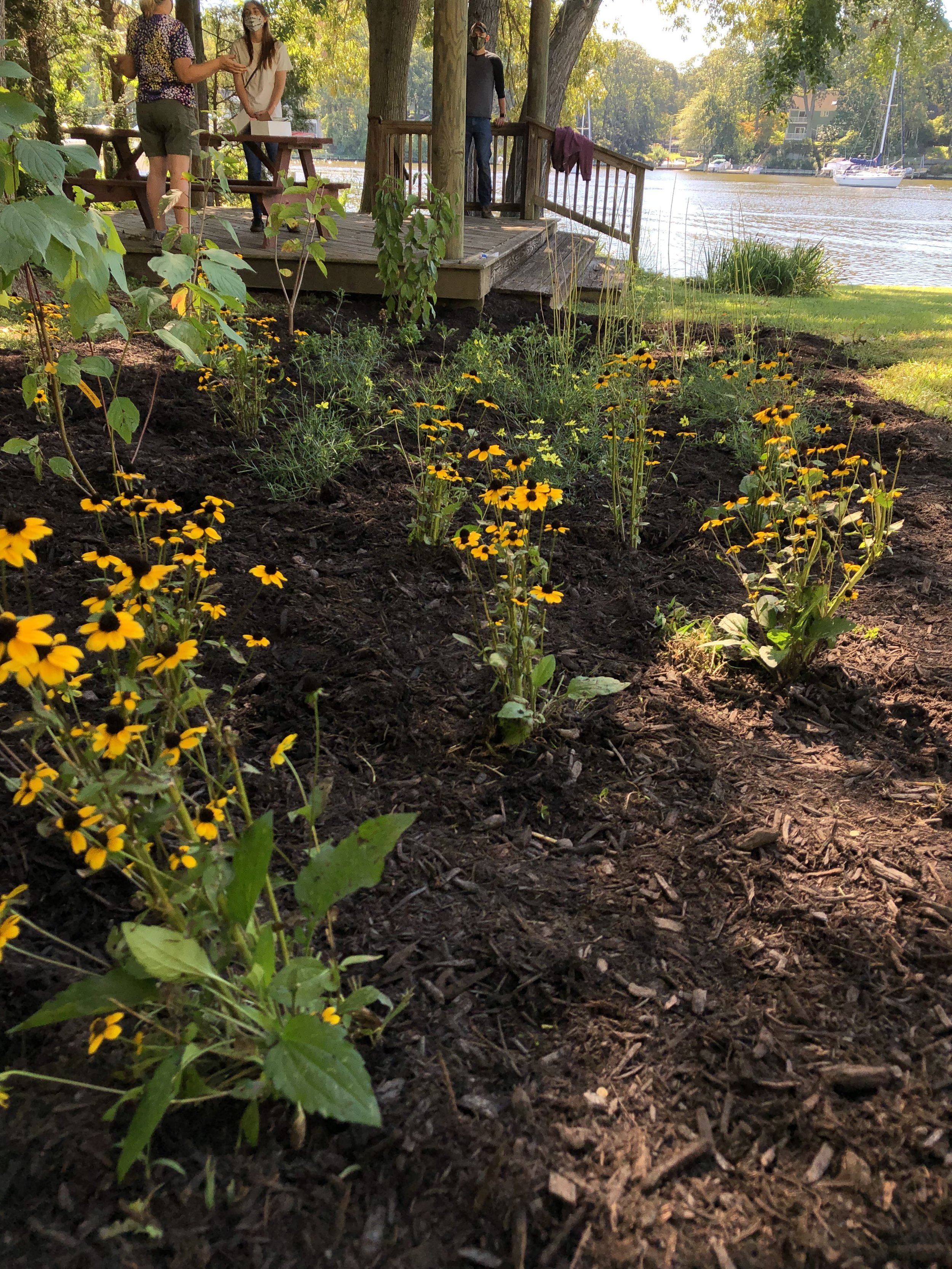
Stacey and her army of volunteers planted nearly 400 native perennials and shrubs in the community’s “Serene Ravine.” Through her efforts, neighbors experience the increase in biodiversity in their neighborhood and are inspired to take action in their own yards.


Kristin Silva

Project: Community outreach programming
Location: Carrolton Manor (Severna Park) ⬝ Severn River Watershed

Kristin designed an outreach program to create awareness of the local environment and the ways her neighbors can make even small changes in their homes and gardens to improve water quality on the Severn River. Kristin’s first event focused on the community’s tree canopy and the impact of English ivy. Kristin continues to engage her neighbors in environmental action through programs on composting, rain barrels, stormwater runoff and native plants.


Stacy Allen

Project: Tree planting
Location:
Holland Point ⬝ Herring Bay Watershed

Stacy took on a project in her community of Holland Point, in the southern most part of the County. She planted 20 trees across a community lot to increase the canopy cover and wildlife value of the area, recruiting an enthusiastic group of volunteers to help out on the Veteran’s Day planting event.


Diane Hill

Project: Tree planting
Location: Coventry 2 Community (Crofton) and Baldwin Hills Swim Club (Millersville)

Diane utilized her position as a leader on her community HOA to plant 14 trees in Coventry in Crofton and 2 trees at the Baldwin Hills Swim Club. She also worked with county officials to approve 18 additional trees that will be planted by a contractor in the same community, on an adjacent county owned floodplain.


Jeanne Martin

Project: Invasive removal and conservation landscape planting
Location: Cape St. Claire (Annapolis) ⬝ Magothy River Watershed

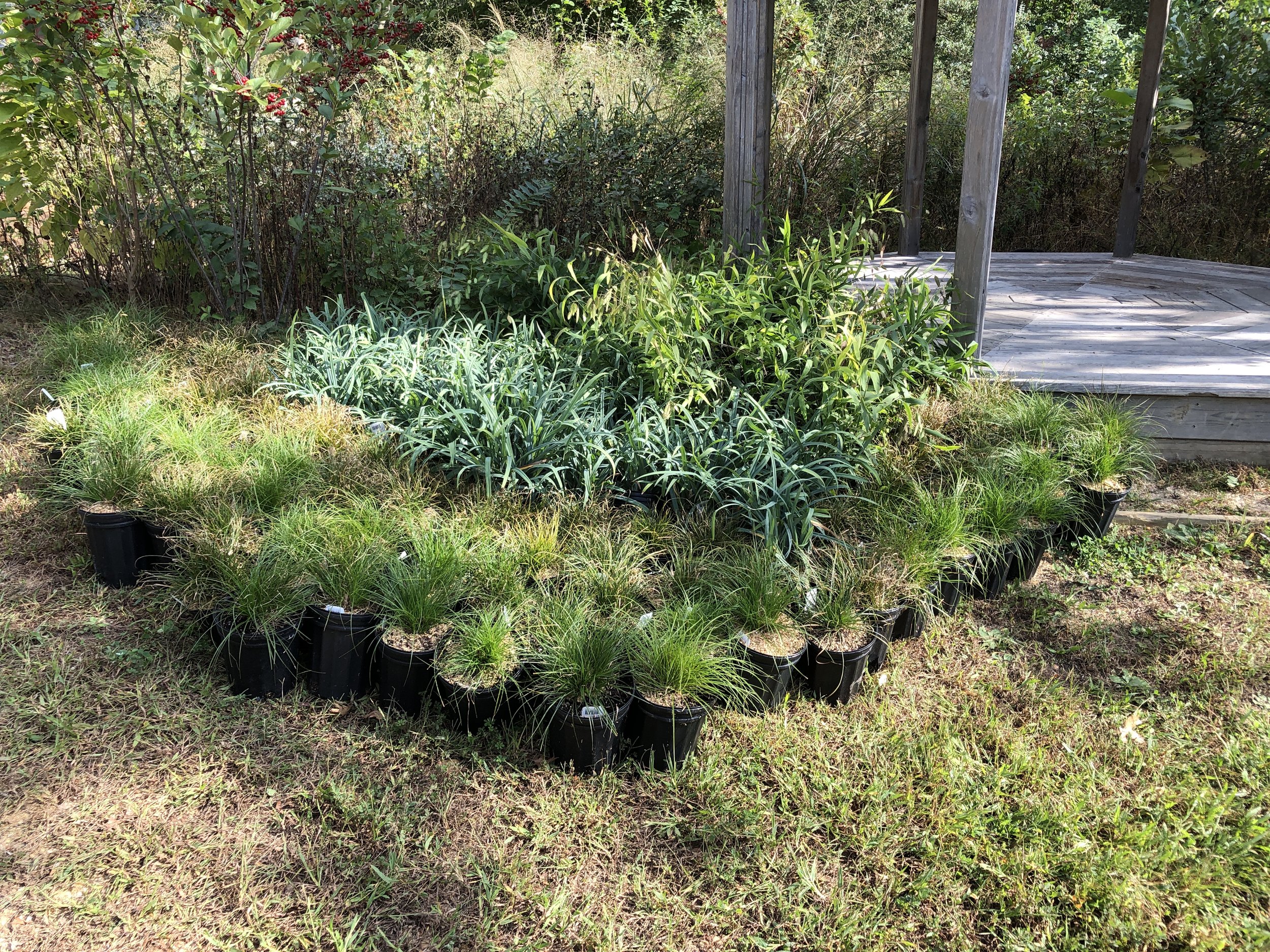
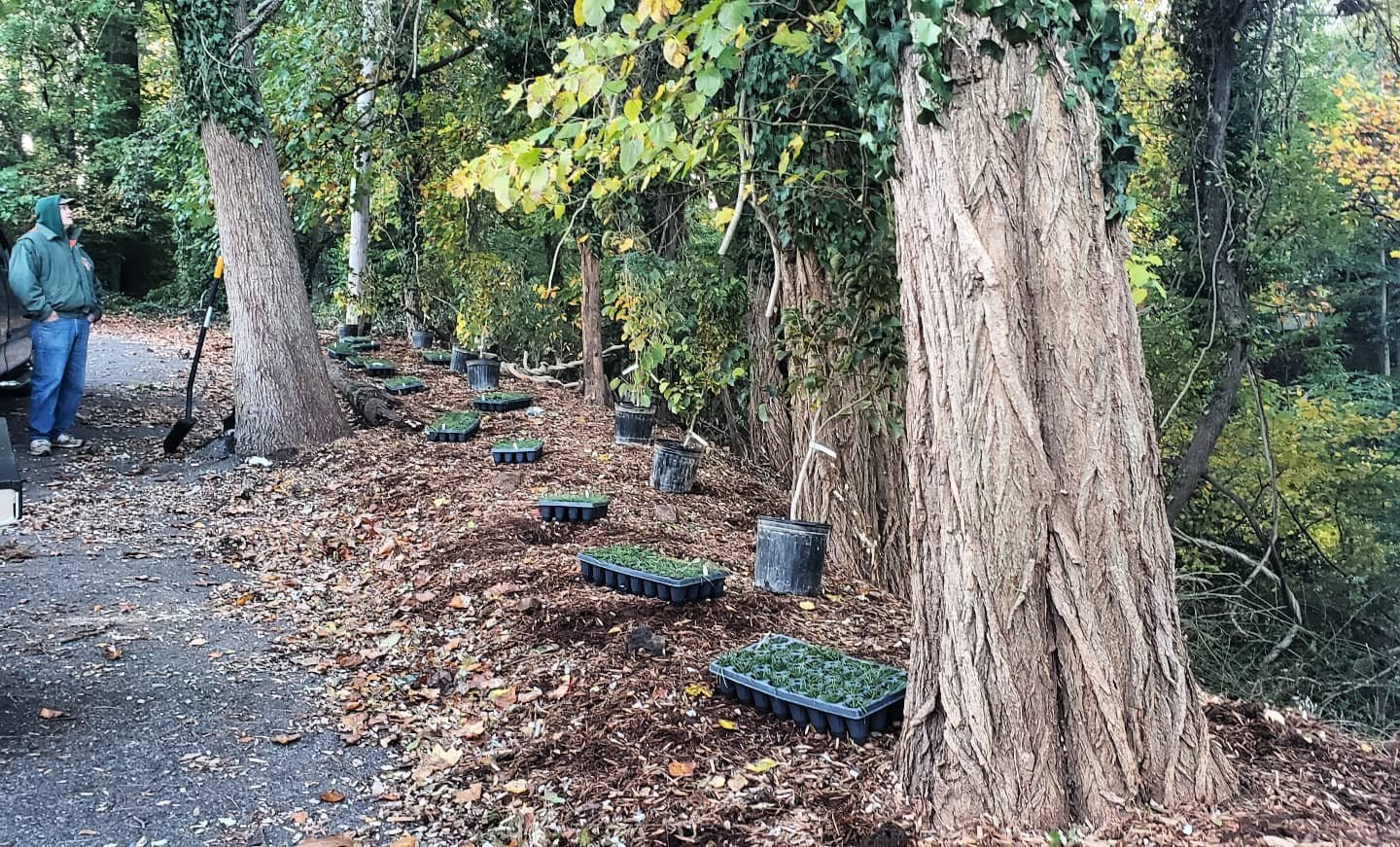
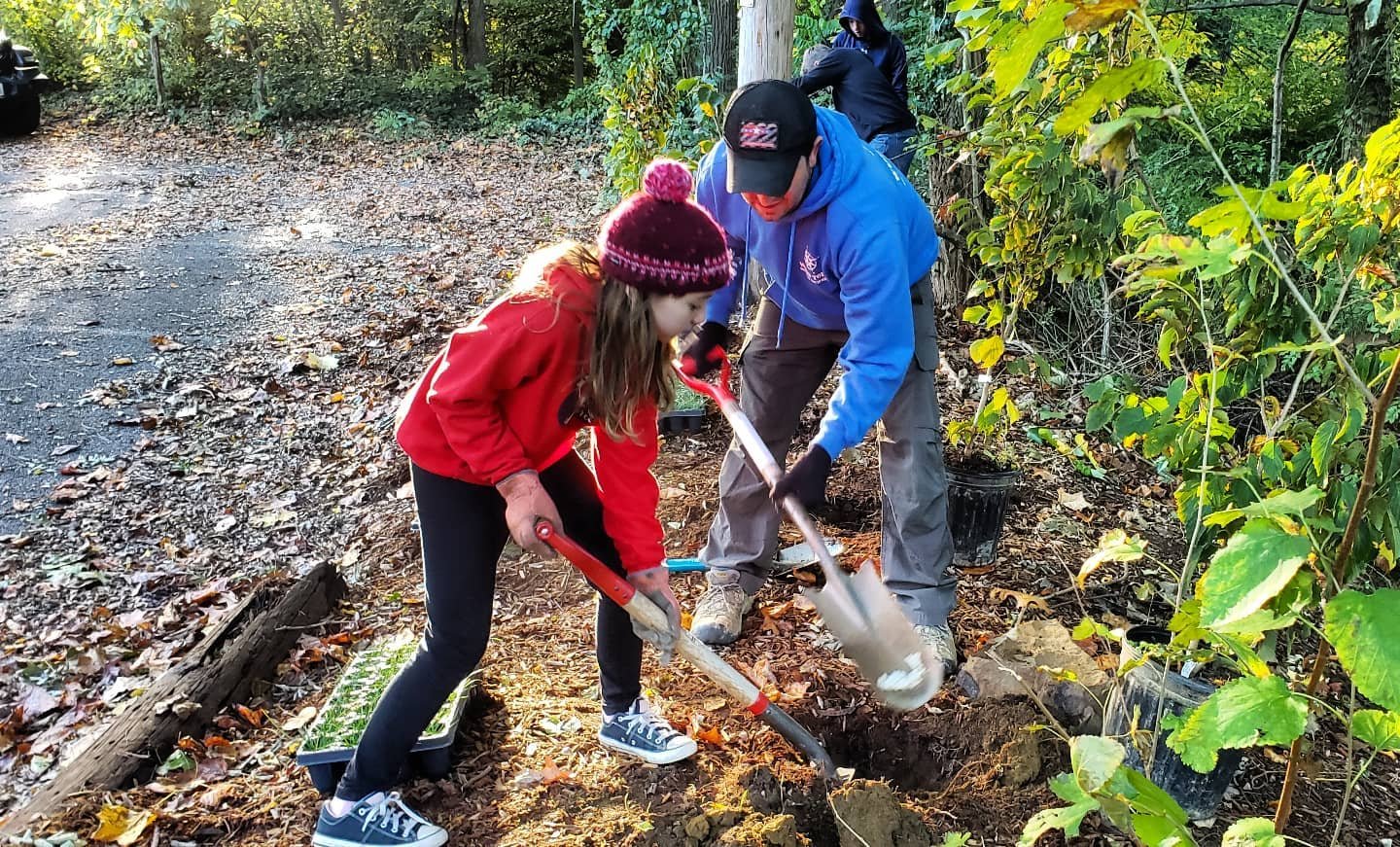
Jeanne and her community removed almost 1100 square feet of invasive species at their community boat launch in Cape St. Claire. She then organized a tree planting of 20 native trees and over 800 native sedges to stabilize the bank along the boat launch’s parking lot. 


Jim MacNicholl

Project: Community tree planting
Location: Community Library (Crofton) ⬝ Little Patuxent Watershed

Jim partnered with the Crofton Library Branch to organize and implement a community led planting event. Over 40 volunteers learned about the benefits of native trees, then planted 20 on the grounds of the library.


Nancy Evans

Project: Invasive removal and native plant installation
Location:
St. Anne’s Cemetery (Annapolis) ⬝ Severn River Watershed

Nancy teamed up with a congregational group to remove almost 4500 square feet of invasive species at the historic St. Anne’s Cemetery in Annapolis. She then worked to install almost 200 native plants that will become a centerpiece for the cemetery’s new columbarium.


Marie Del Bianco

Project: Invasive removal and native plant installation
Location: Loch Haven (Edgewater) ⬝ South River Watershed

Marie engaged her community of Loch Haven in Edgewater to remove over 2000 square feet of invasive species from a community shoreline. She then worked to install over 400 native plants to stabilize the area.


Elizabeth Ley

Project: English Ivy removal
Location:
Witherinsea (Riva) ⬝ South River Watershed

Liz engaged her community of Withernsea in a canopy crusade! Her capstone saved community trees from English ivy through rings of life. She is also planning on planting resilient native trees through the Replant Anne Arundel Program.


Steve McKerrow

Project: Education programming
Location:
Temple Beth Shalom (Arnold) ⬝ Severn River Watershed

Steve McKerrow has worked on invasive removal projects at his congregation, Temple Beth Shalom, and in his community, Admiral Heights. Steve recently became the co-leader of the Temple’s Green Team, and looks forward to initiating projects and developing educational programs for TBS in 2022.


Lauren Toomey

Project: Pollinator Pathway
Location: Across Anne Arundel County

Lauren worked to set up a Maryland Chapter of the Pollinator Pathway. She has engaged numerous partners to join the effort, presented at a wide range of venues to get the word out, and created materials and templates to help others establish pathways in their communities!


Jim Palumbo

Project: Outreach Campaign
Location: Near Annapolis SPCA ⬝ Severn River Watershed

Working with Watershed Steward Betsy Love, Jim has been planning an outreach campaign for a major restoration project that will be installed near the Annapolis SPCA, where he has volunteered for many years.  He expects to launch his grassroots campaign in 2022!


Emma Devries

Project: Education Programming
Location:
Around Anne Arundel County

Emma created an educational program for the Anne Arundel Bee Keeper’s Association, “Pollinator Gardens: Regenerative Design and Maintenance Strategies.” In 2022, she will reach additional audiences, and make the slides available for other Stewards doing outreach about native plants.


Cindy & Bill Garmoe

Project: Conservation Landscape Planting
Location:
Annapolis Landing (Riva) ⬝ South River Watershed

Bill and Cindy installed a 300 square foot conservation landscape to intercept overland flow at their community’s marina in Annapolis Landing. Their native perennials and shrubs will clean stormwater before it enters Beard’s Creek!


Coming Soon

Jillian Seagraves & Melissa Richardson

Jillian and Melissa are partnering to engage the community of Tanyard Shores in Glen Burnie, where they will install a rainscaping project!

Elmer Dengler

Elmer will be working to engage a nursing home in Crofton. He will install a conservation landscape to create a relaxing space for residents to appreciate the beauty and importance of natives!

2021 Watershed Steward and Consortium Member of the Year

Each year the Anne Arundel County Watershed Stewards Academy honors volunteer Master Watershed Stewards and the environmental professionals who support their action for clean water. The Master Watershed Steward of the Year is awarded to a Steward(s) who excels in engaging their community to reduce pollution. The Consortium Member of the Year is awarded to an environmental professional who makes a significant impact on projects for clean water. The 2021 Master Watershed Steward and Consortium Member of the Year Awards will be presented at WSA’s Outdoor Exploration Field Conference on September 18th.

2021 Master Watershed Steward of the Year

Jessie Bradley adding to a pile of pulled invasive material at Sandy Point State Park. From January to July 2021, Jessie cleared more than 35,000 sq ft of invasives from the state park.

Class 9 Watershed Steward Jessie Bradley was honored for her dedication to eradicating invasive species at Sandy Point State Park and planting native trees. For the last two and a half years, Jessie has spent 2-3 hours nearly every day wrangling and removing stilt grass, multiflora rose, English ivy, and more, rescuing native trees and shrubs. Each month, she clears out the equivalent of two tennis courts worth of invasive vines/growth at Sandy Point! In 2020, Jessie trained as a Tree Trooper and planted 90 native trees at the state park, which she cares for alongside Ann Fleer, fellow Tree Trooper, and Class 9 Steward.

In addition to her restoration efforts, Jessie was integral in revamping how Stewards report their action, providing essential feedback while testing the state-wide WSA reporting system through UMD.

As part of his capstone project in November 2019, Phil and volunteers planted over 250 natives to refresh and restore an existing rain garden. Today, his committed team of congregants and Stewards maintains the projects year-round.

Phil Colbert, Class 11 Watershed Steward, received the Steward of the Year Award for his dedication to caring for an existing project at Mt. Moriah AME Church in Annapolis. In summer 2018, Mt. Moriah’s original Steward, Betty Powell, requested help caring for her capstone project, installed in 2016 as part of the RiverWise Program. With no prior experience with restoration work or caring for native plants, Phil’s desire to do something good for the environment and strong calling to be of service to his congregation propelled him to take the Certification Course and manage the projects at Mt. Moriah. Phil added new natives to the original project and replaced plants in patches where most of the original native growth had died off as part of his capstone project. 

Phil continues to mobilize his congregation to care for their projects. With support from Betty Powell and Congregational Steward Dr. James (Jim) Johnson, Phil partners with the Maintenance Corps for project clean-ups and continues to grow in his maintenance of the projects with a core group of volunteers. Under his care, the gardens are flourishing—a great example of a Steward caring for creation.
2021 Consortium Member of the year

2020_11_28_Jo_professional_shots_07.jpg

Johanna Doty was awarded Consortium Member of the Year for her work connecting Stewards and WSA with the Anne Arundel County Public Library. As a result of Johanna’s connections, we are reaching a greater number of residents across Anne Arundel County than ever before, developing ways to engage new audiences through bilingual and family programming, and supporting branches struggling to manage stormwater runoff. Because of her efforts, three librarians have trained as Watershed Stewards, representing the Crofton, Severn, and Maryland City branches. In 2020 and 2021, Stewards led programs and projects, including environmental literacy sessions, stream clean-ups, and tree maintenance at seven library branches. Additionally, Johanna increased WSA’s opportunities to create programming that reaches a broad audience and shines a light on environmental justice and social equity issues. In November, WSA and AACPL will partner to host an Environmental Justice panel, accommodating 1,000 participants across the state of Maryland.

2021 Ron Bowen Environmental Legacy Award

The Ron Bowen Environmental Legacy Award honors the impact of WSA co-founder, Ron Bowen by recognizing an individual who has made a unique contribution to environmental stewardship in Anne Arundel County by connecting government or institutional resources with private sector investments to generate significant environmental actions.

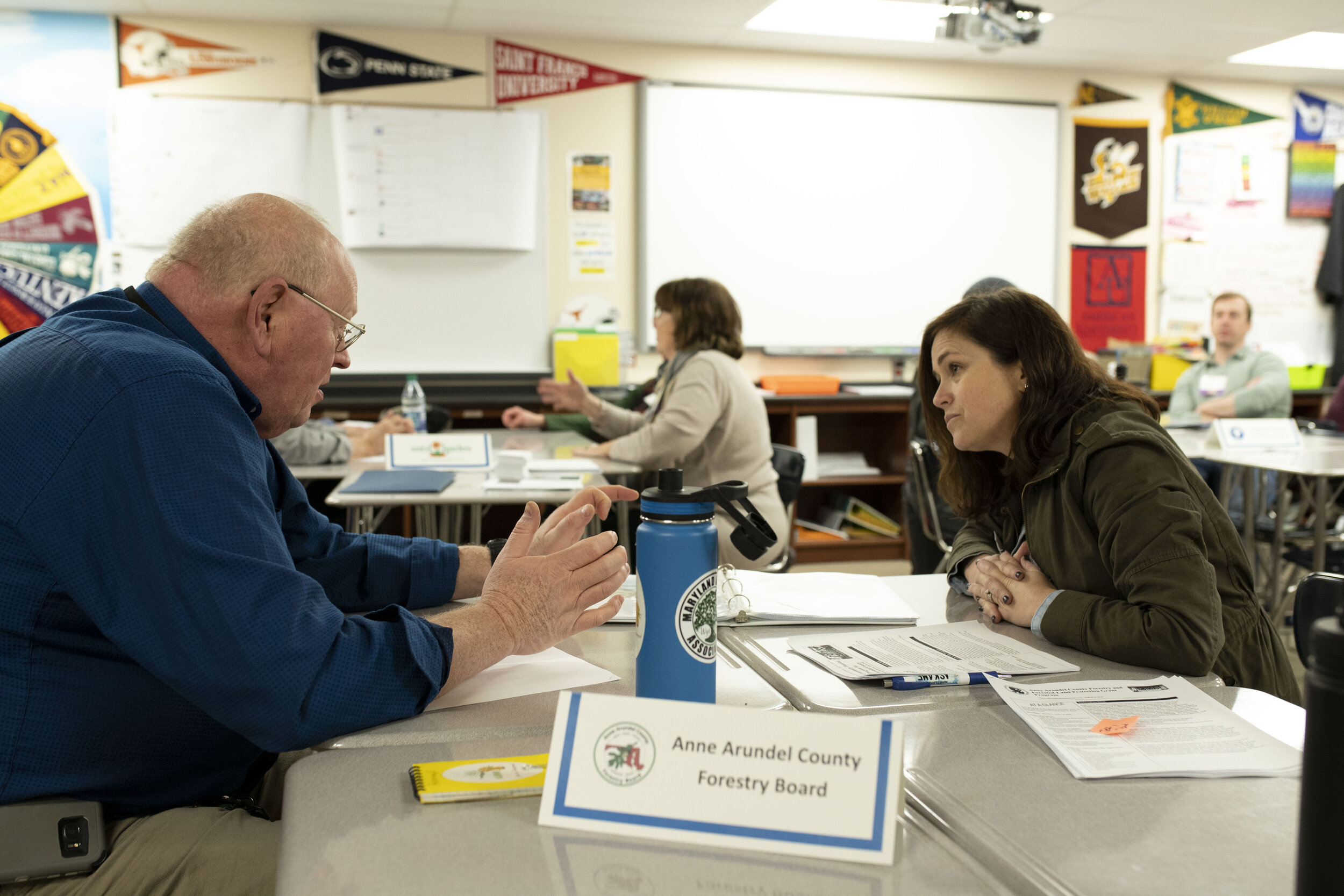
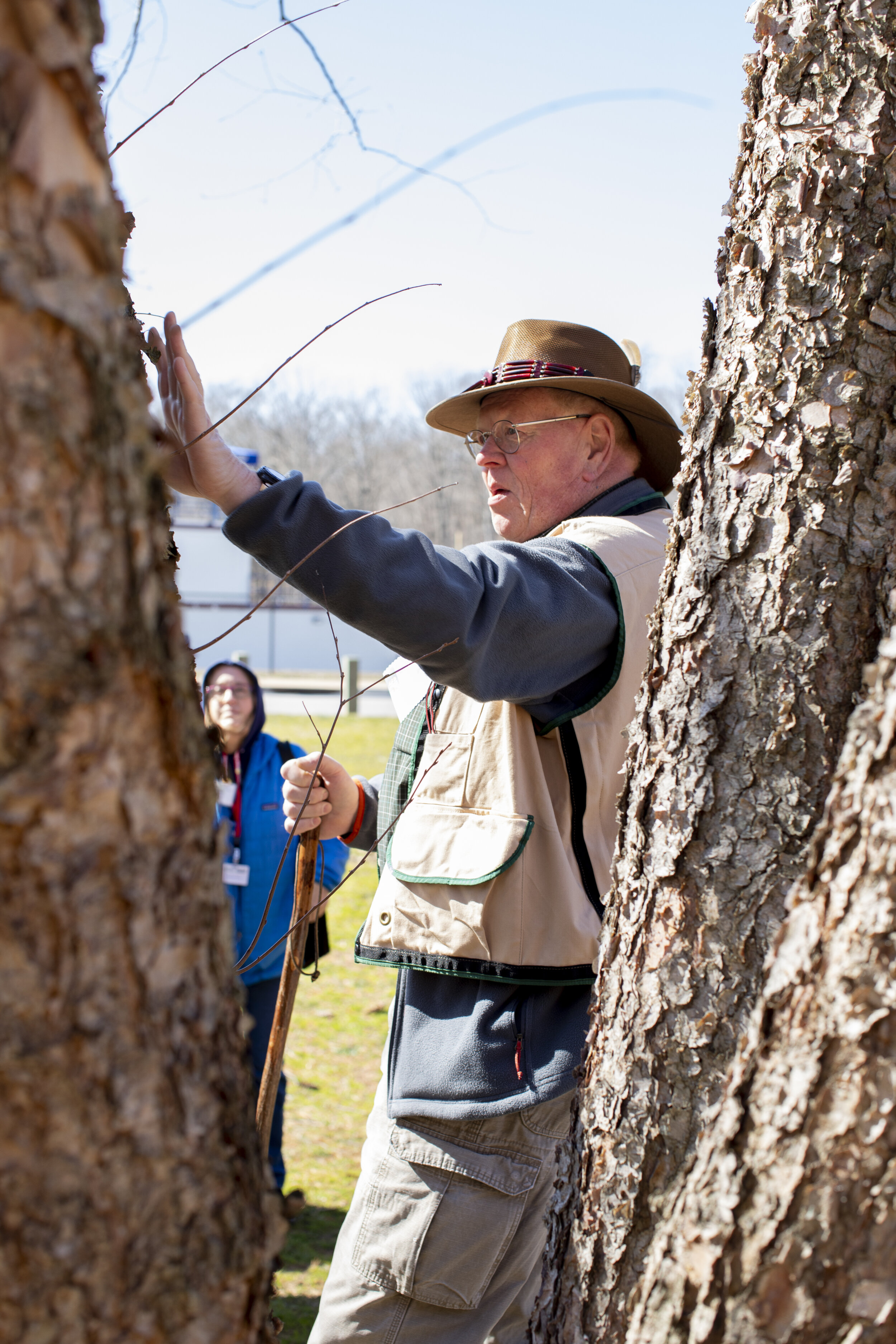
This year, we recognize Bud Reaves with the Ron Bowen Environmental Legacy Award. As an Anne Arundel County Forester, Bud’s passion for planting and protecting trees has made him a valuable resource to WSA over the years. With his knowledge of invasive plants and critical areas, Bud plays an instrumental role in many Steward projects, including identifying invasive species and suggesting native plants and trees to replace them. Additionally, Bud is a go-to resource for Stewards and Staff alike when it comes to identifying trees.

Bud founded the Anne Arundel Weed Resistance, a volunteer organization that removes invasive plants throughout Anne Arundel County. Through a series of trainings, volunteers learn to identify and remove invasive species like English Ivy and multiflora rose. Across the county, “Weed Warriors” implement their knowledge to eradicate destructive species on private and public lands. 

Bud has been an essential part of almost all of my Steward projects. Since 2010, with our first reforestation project together, Bud has offered countless hours planting, teaching, advising, identifying, coordinating, and just showing up with a machete, in support of my work as a Steward. Bud’s branches of knowledge are wide and he is so eager to share his information and time with Stewards, students and the public to advance forestry and conservation projects. He has patiently taught me everything I know about invasive plants and management techniques through the development of the Weed Warriors program. Bud encouraged me to pursue a forestry stewardship plan for my neighborhood, helped me to develop multiple site reforestation and planting plans, and has been a team lead in my weed warrior actions in my neighborhood, and adjoining natural areas. I know he has helped countless other stewards move from ideas to environmental action. Rooted in information, and with a genuine passion for his work as a forester, Bud is a giant in the canopy of environmental action.
— Lara Mulvaney, Class 1 Watershed Steward