Latin for Gardeners: November 2020

November’s Native Maryland Plant
Quercus phellos
(KWURK-us FELL-us) L.
Common Name: Willow Oak

Quercus_phellos_Main.jpg

As master gardeners, naturalists and watershed stewards we are often asked to recommend trees suitable for a yard, community planting or restoration project.  When this happens, we often turn to our Native Plants for Wildlife Habitat and Conservation Landscaping manual for guidance.  The list of native trees is diverse, but the number of native Quercus species listed is twice that of the second most populace species, Pinus.  It should come as no surprise then, that in the mid-Atlantic states much of our forest is defined by the Quercus (Oak) genus.

In fact, Quercus species are highly valued for the vast ecosystem services they provide and are considered ‘keystone’ species for the inherent value they bring to an environment.  Across the nation ‘Oaks are ranked either number one or number two in their support of the food web in 84% of all U.S. counties in which they occur.¹

Quercus_phellos_meaning.jpg

I frequently recommend Oaks on projects because of their ecological value and because there is an oak to fit most any site condition. Quercus phellos is commonly planted as an ornamental tree; planted in a ‘good’ site it has moderate to rapid growth, it’s able to withstand sun and part-shade, is salt and wind-tolerant (once established) and has easily compostable willow-like leaves. Like all oaks, Quercus phellos is an excellent shade tree that casts a long shadow that can shade a home or paved area; it is a suitable street tree if there are no overhead wires.

When using trees in a landscape it is always important to discuss maintenance.  A tree needs its requisite sun, water, and room to grow, but it also needs to be protected from invasive species that may climb its trunk and smother its branches.   To thrive, routine maintenance should include identifying and removing invasive species from around its trunk and beneath its branches. 

Quercus_phellos_Ivy.jpg

If you want to increase biodiversity, help protect your watershed, and improve air quality, look for places where you can plant this keystone species - you should not have to go far. 

¹ Nature’s Best Hope, Doug Tallamy (Narango, Tallamy and Shropshire 2018)

~ Alison Milligan – Mstr. Gardener/Mstr. Naturalist/Mstr. Watershed Steward

Chesapeake Bay Landscape Professional (CBLP)
aligmilligan@gmail.com

Class 12's Impact

Each year, Steward Candidates complete a capstone project as part of the Certification Course. From creating activities to engage students in environmental literacy to rehabbing raingardens, Class 12 Stewards made an impact on clean water throughout the county!

Jug Bay's Rain Garden Revamp

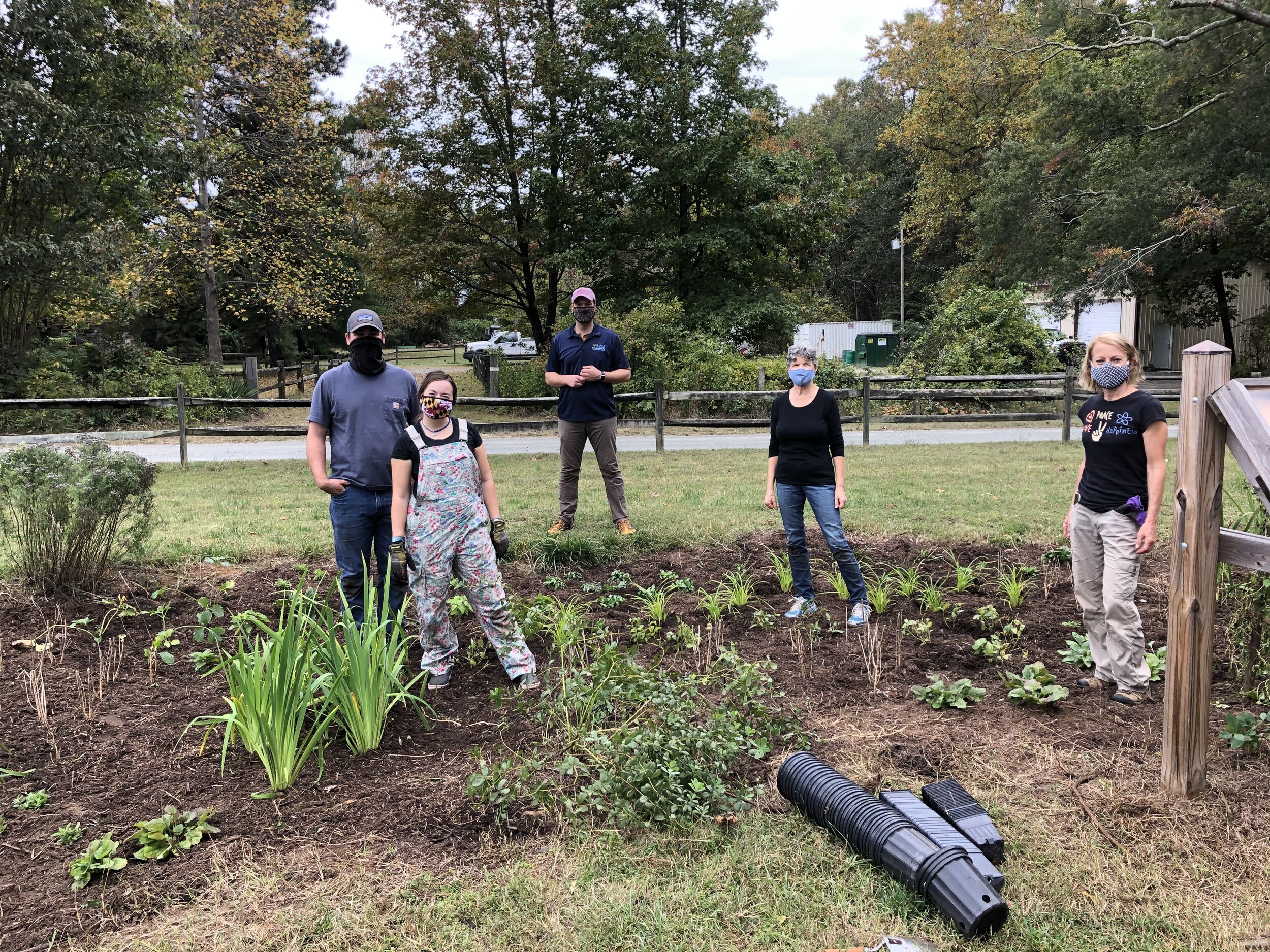
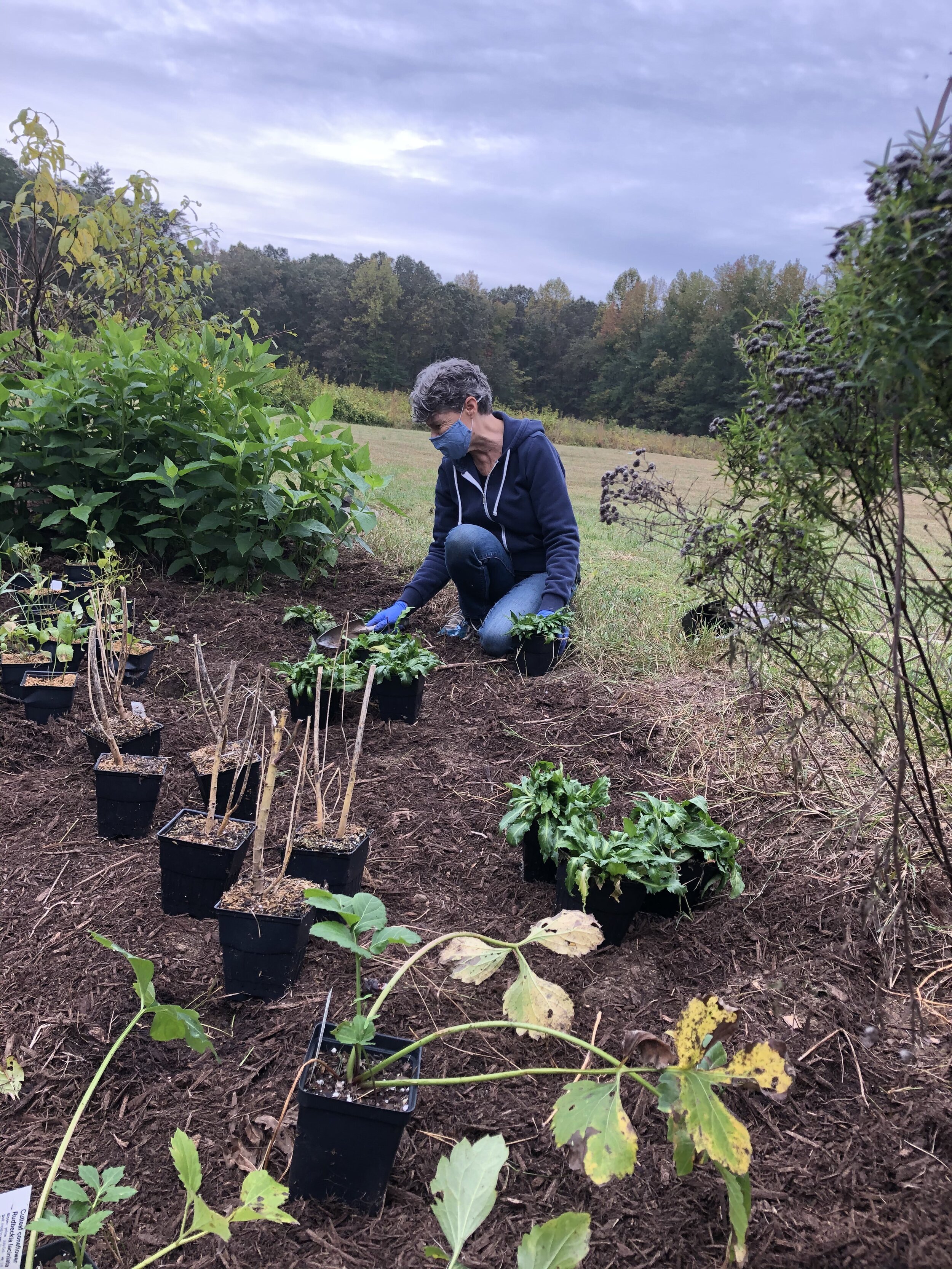
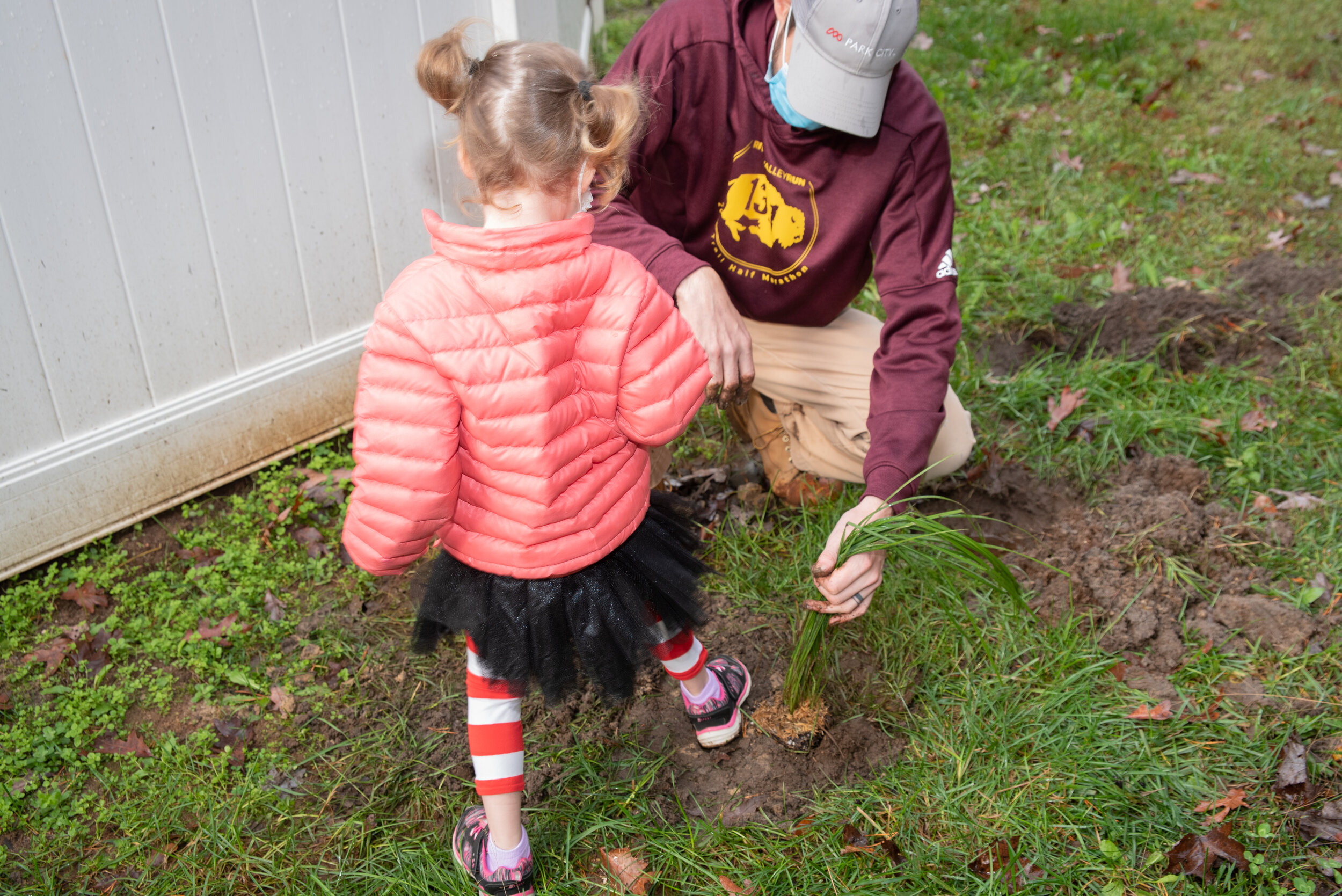
Steward Candidate Meghan Petenbrink completed her capstone project earlier this fall. Meghan and a small but mighty group of volunteers planted over 250 native perennials in a 750 sq ft rain garden at Jug Bay Wetlands Sanctuary!

Bringing new life to an old project

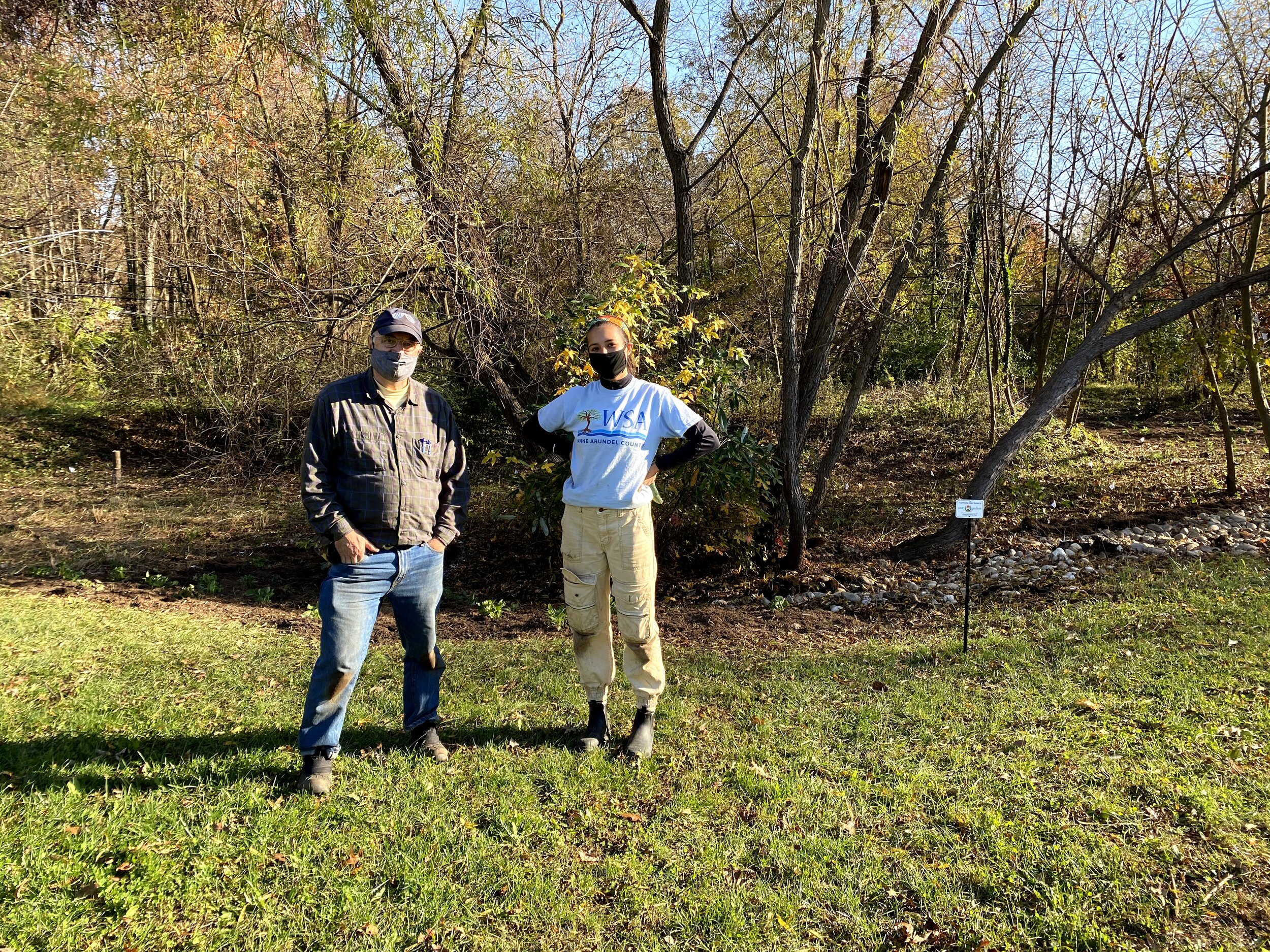
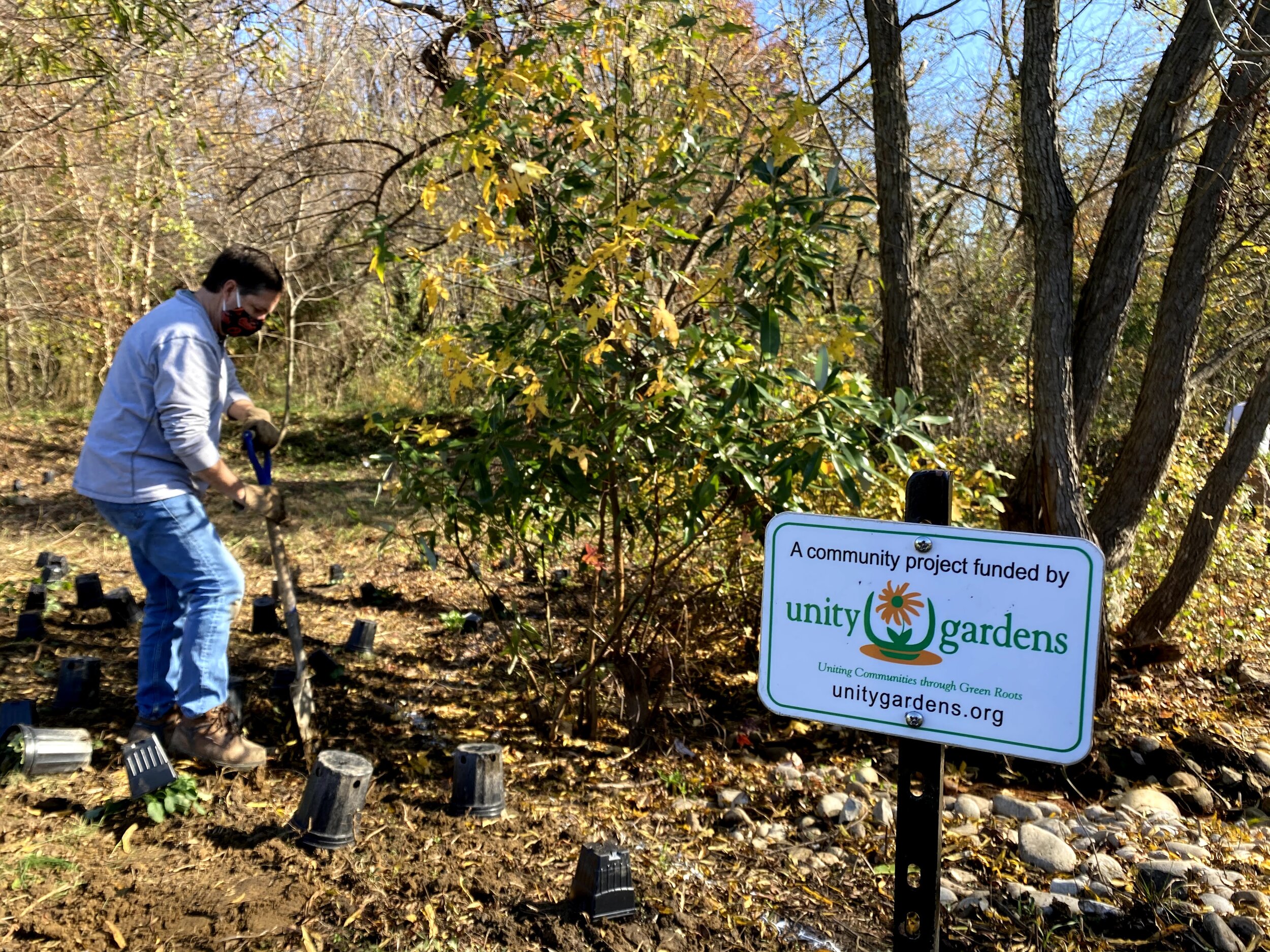
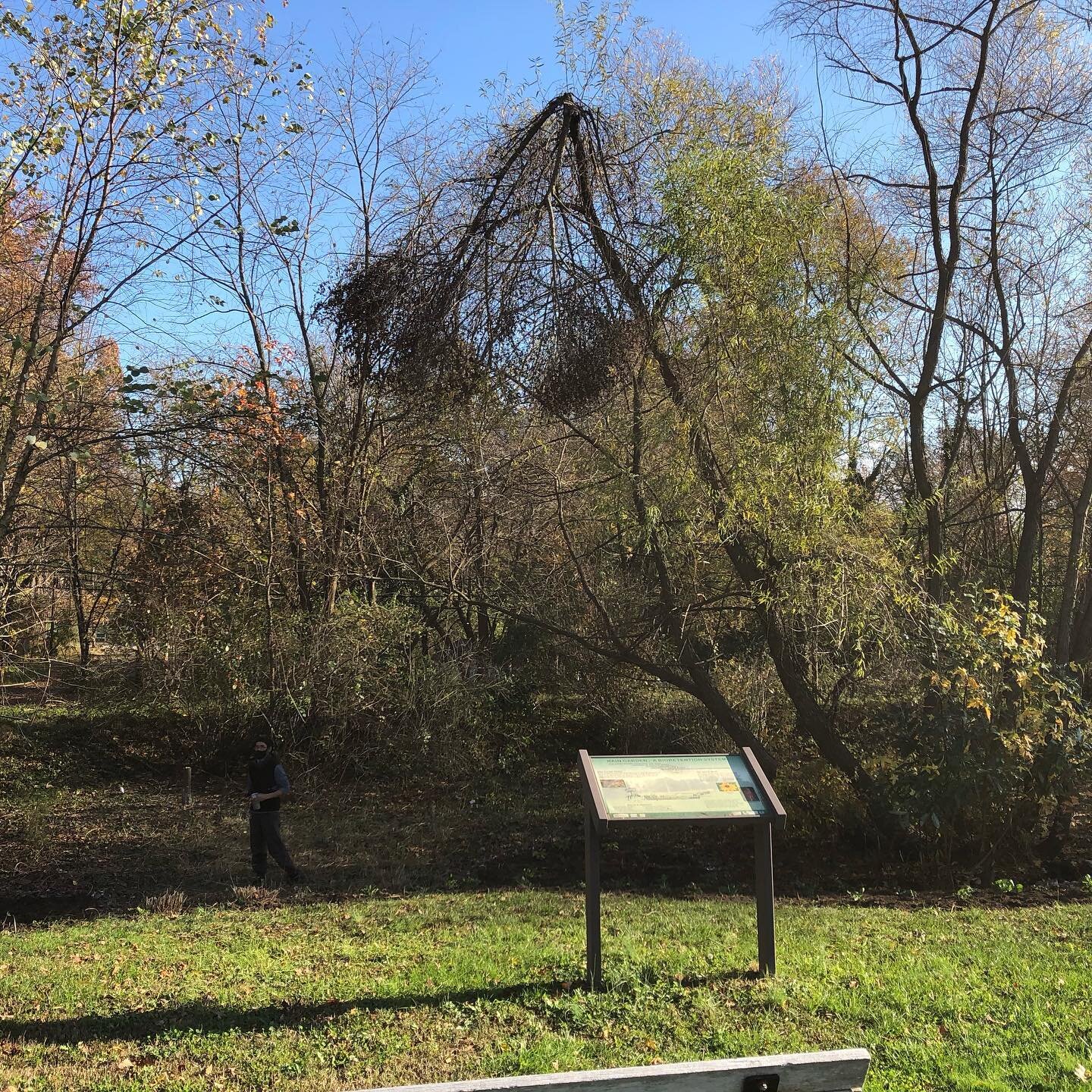
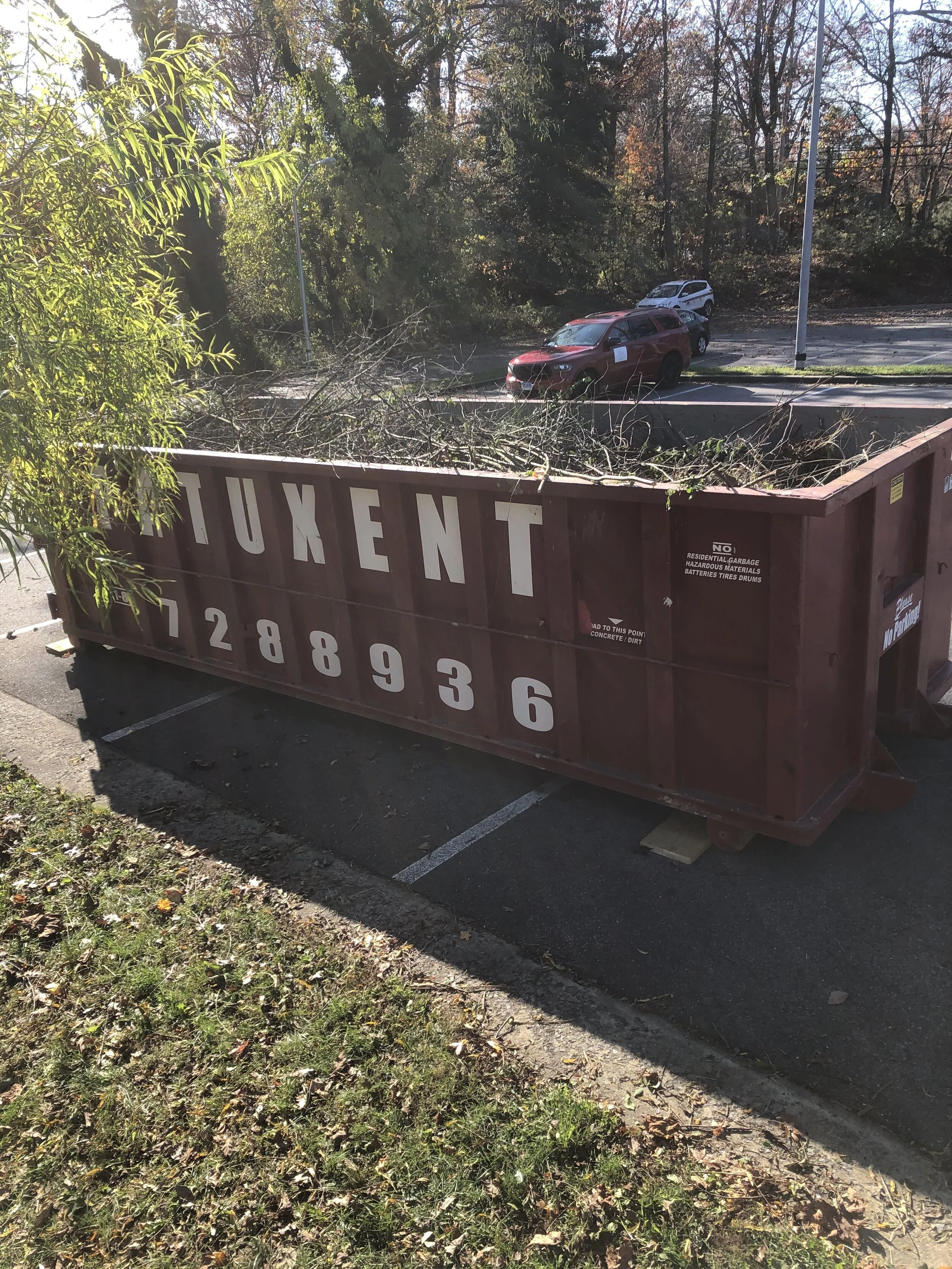
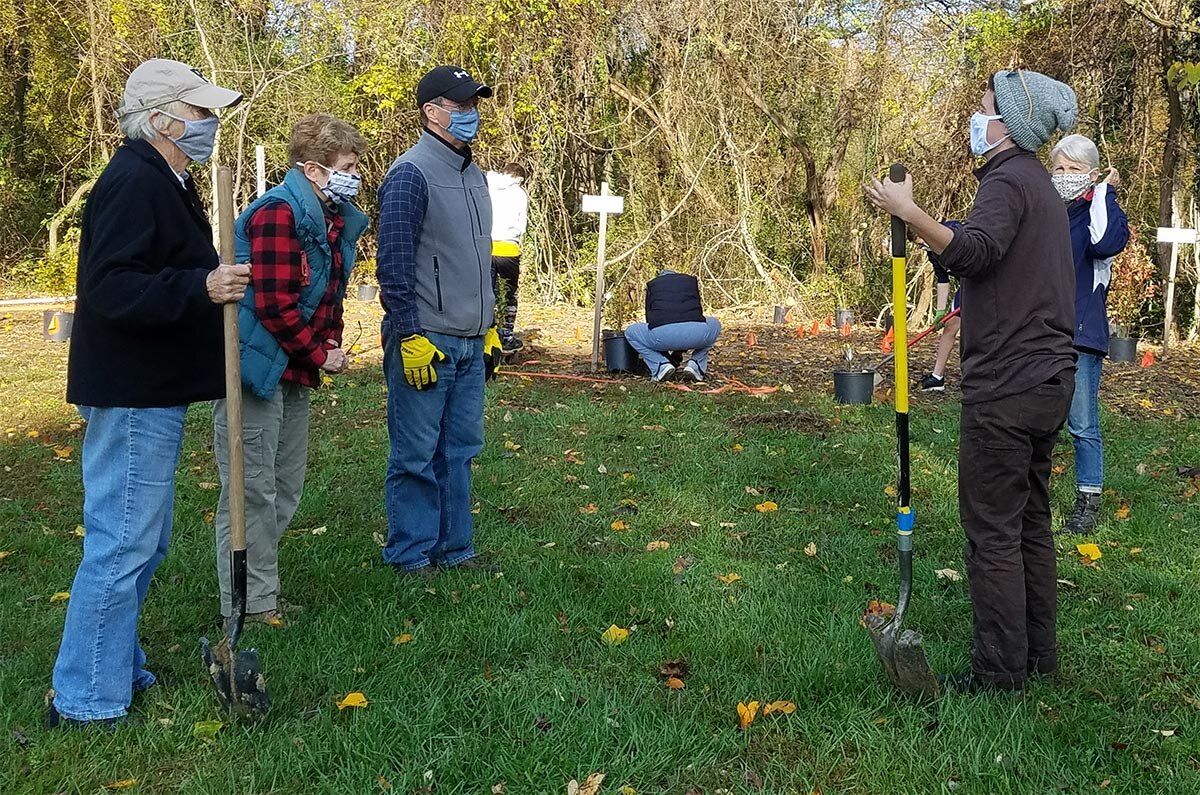
Class 12 Candidates Katrina Golladay and Jay Resnick collaborated to restore an abandoned bioretention project at the Eastport-Annapolis Library. Working with a crew of 16 volunteers, they filled nearly 180 13-gallon trash bags with invasive plants and litter before planting over 160 native perennials!

A Congregation Collaborates for clean Water

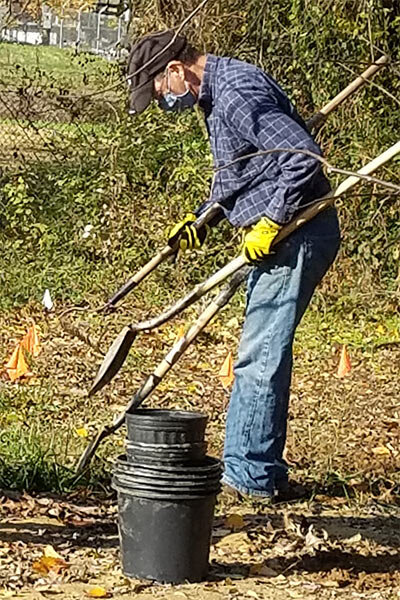
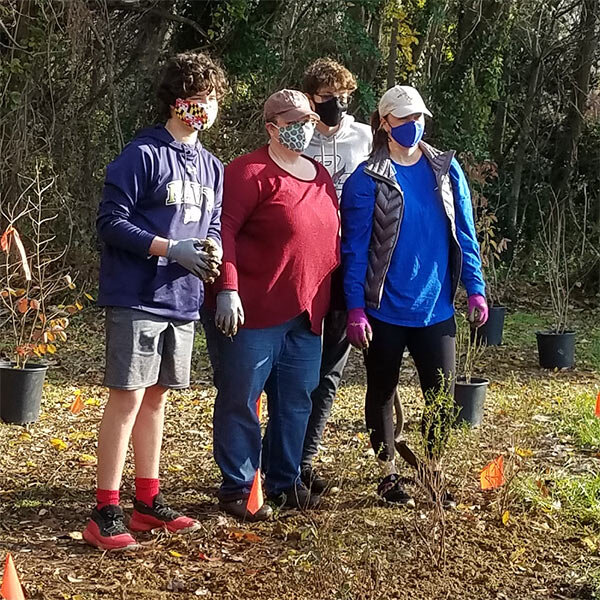
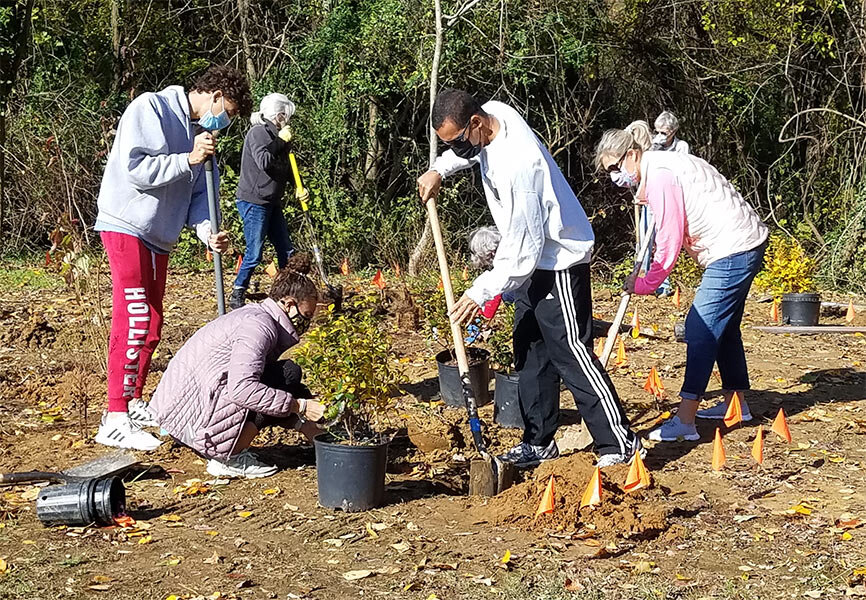
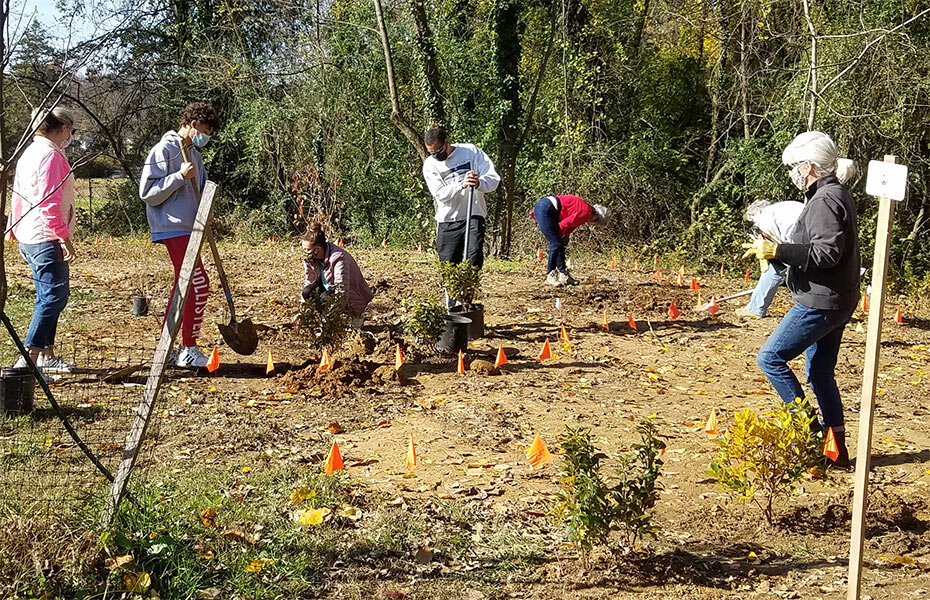
Together with 23 parish volunteers, Cathy Tengwall and Mary Smith planted 63 native shrubs at St. Andrew by the Bay. As part of the Creation Care Team, Cathy and Mary hope restoring the woodland edge will enable the parish to use the space for meditation and education.

Stormwater Success 201

Steve Miller, an experienced HOA Board President, created an advanced version of our Stormwater Success course as his capstone project. This free, three-part seminar was a brand-new resource for HOA leaders and property managers, building upon information presented in the Stormwater Success course. A dedicated group of about 15 County residents participated, now ready to navigate stormwater issues take action in their own neighborhoods!

Inspiring the next generation of Environmental Stewards

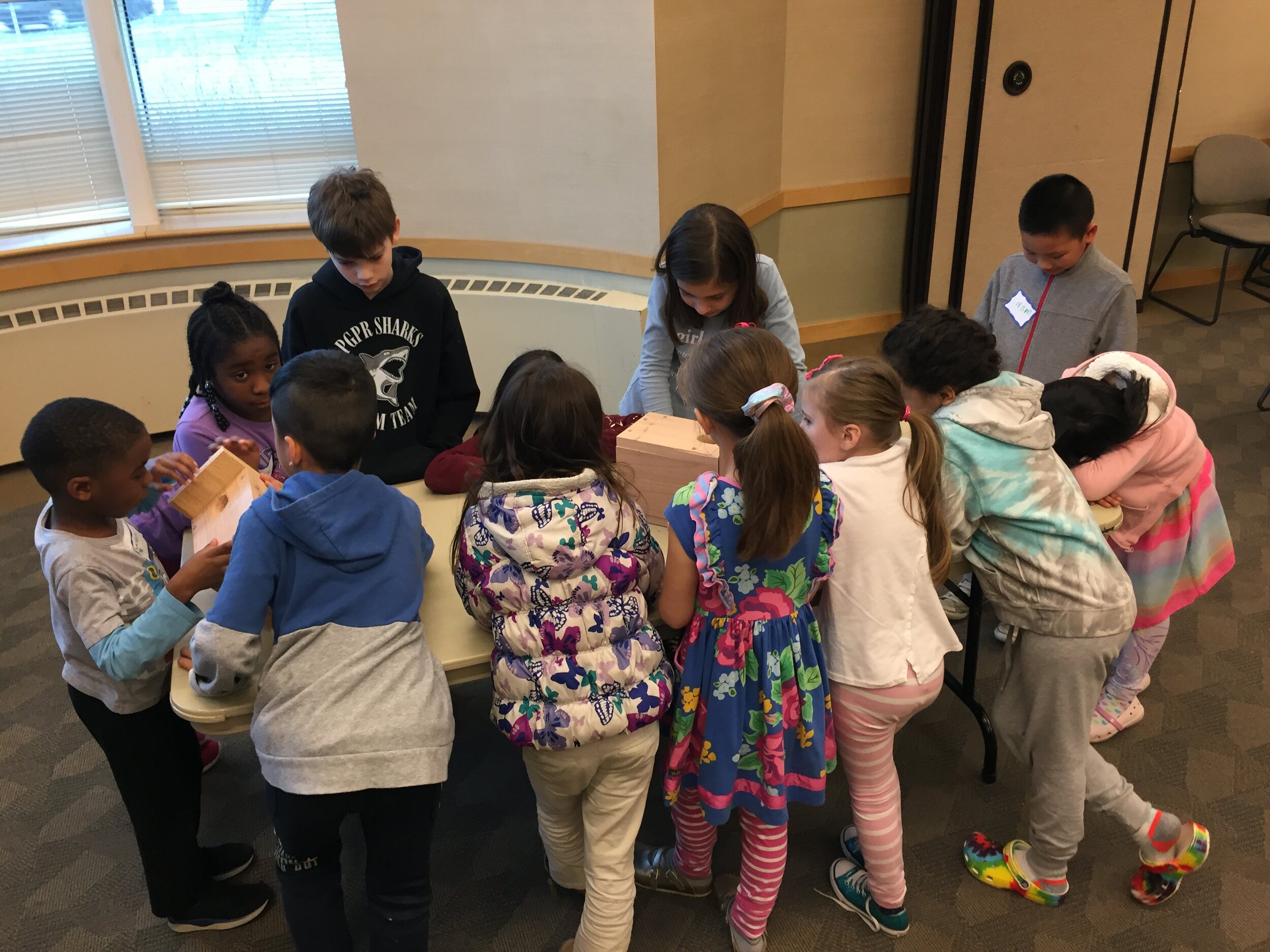
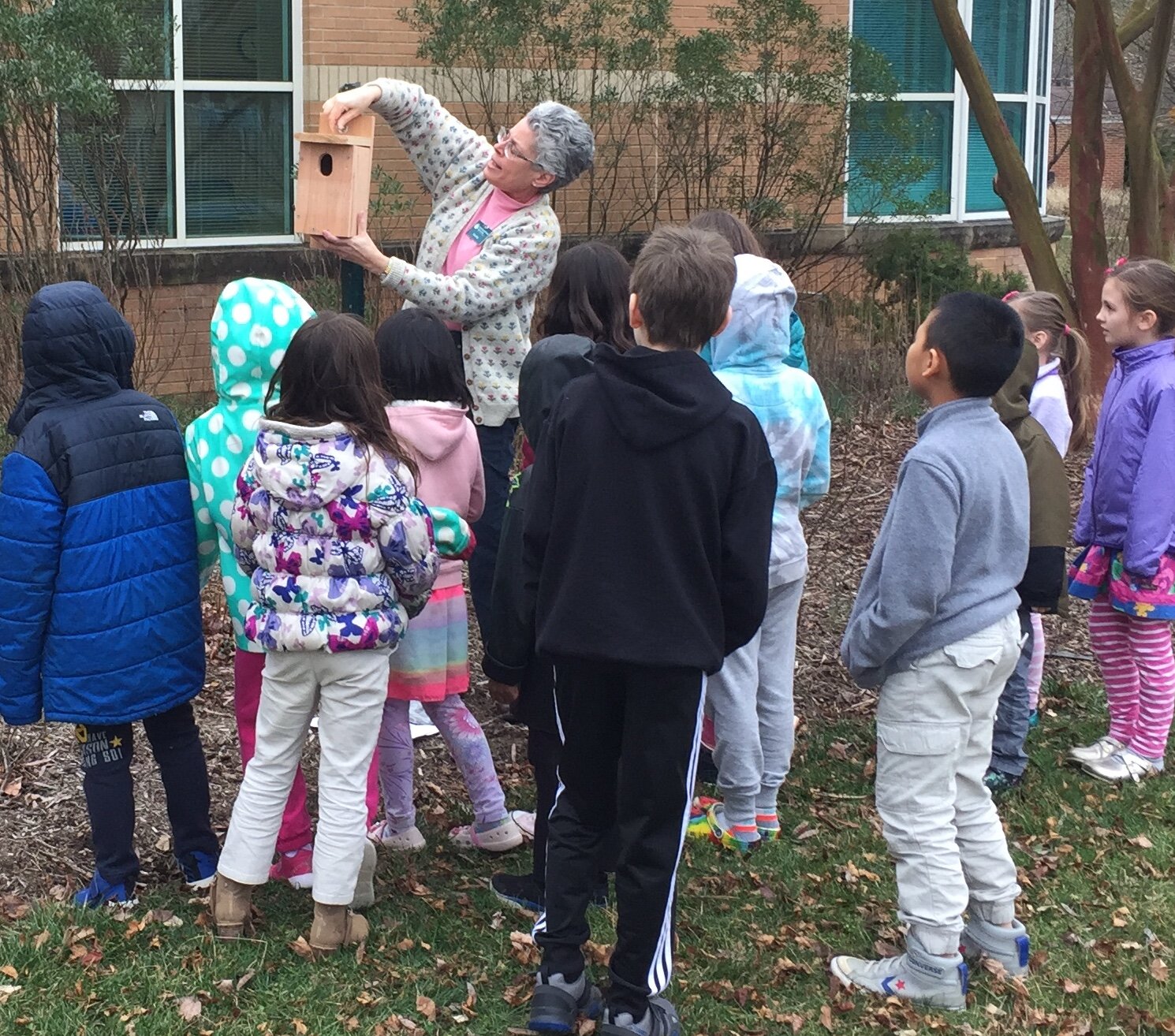
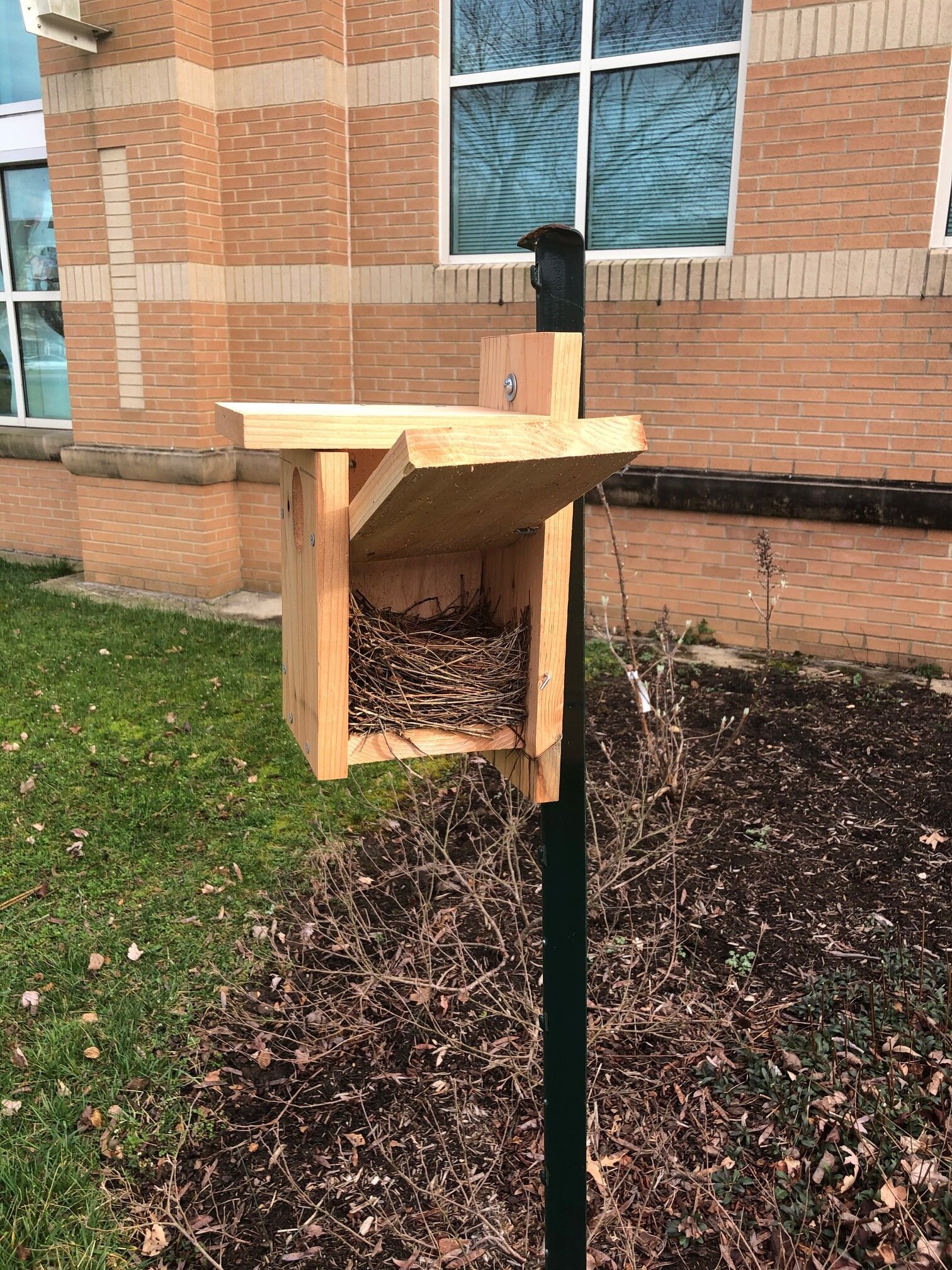
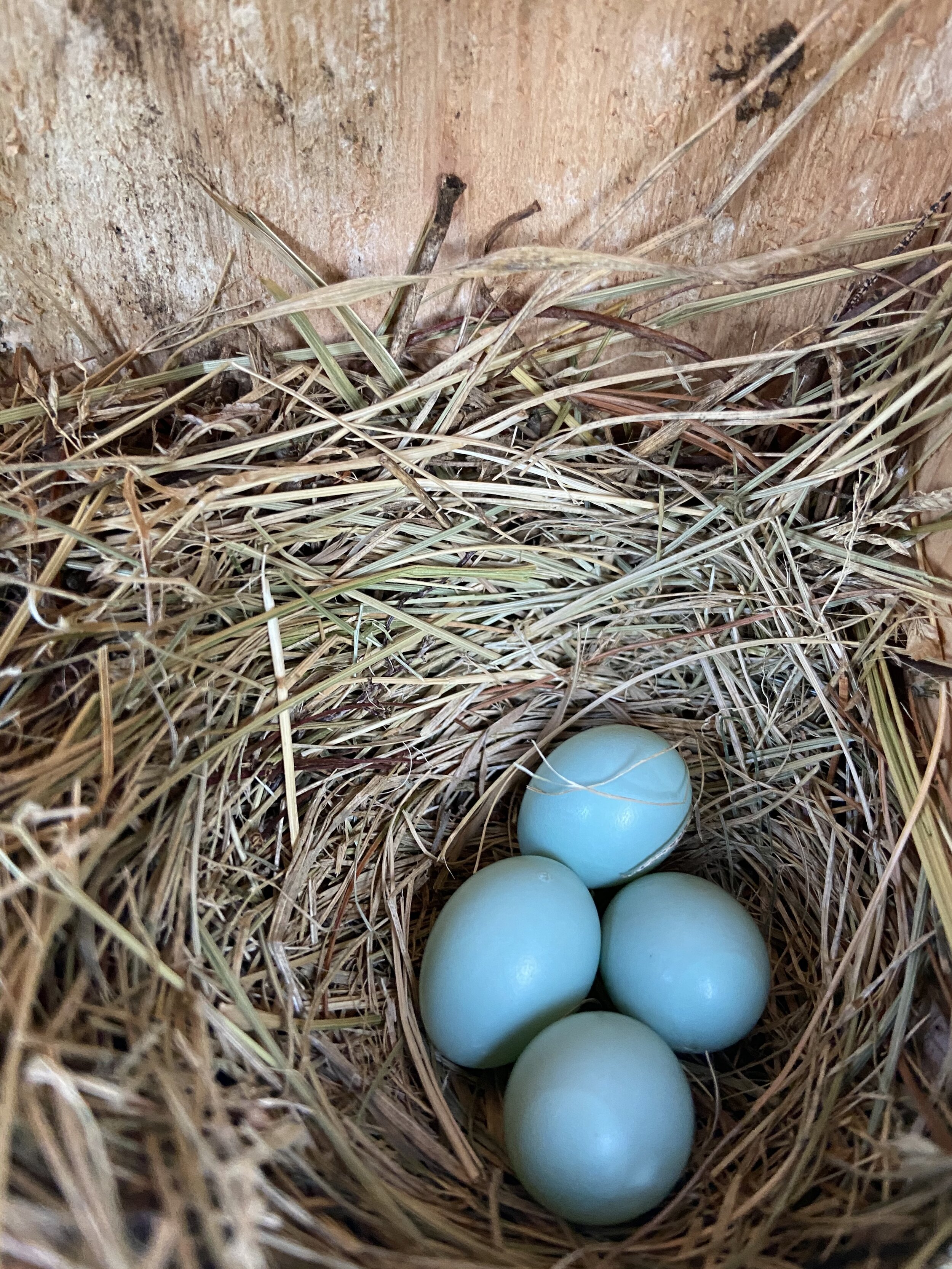
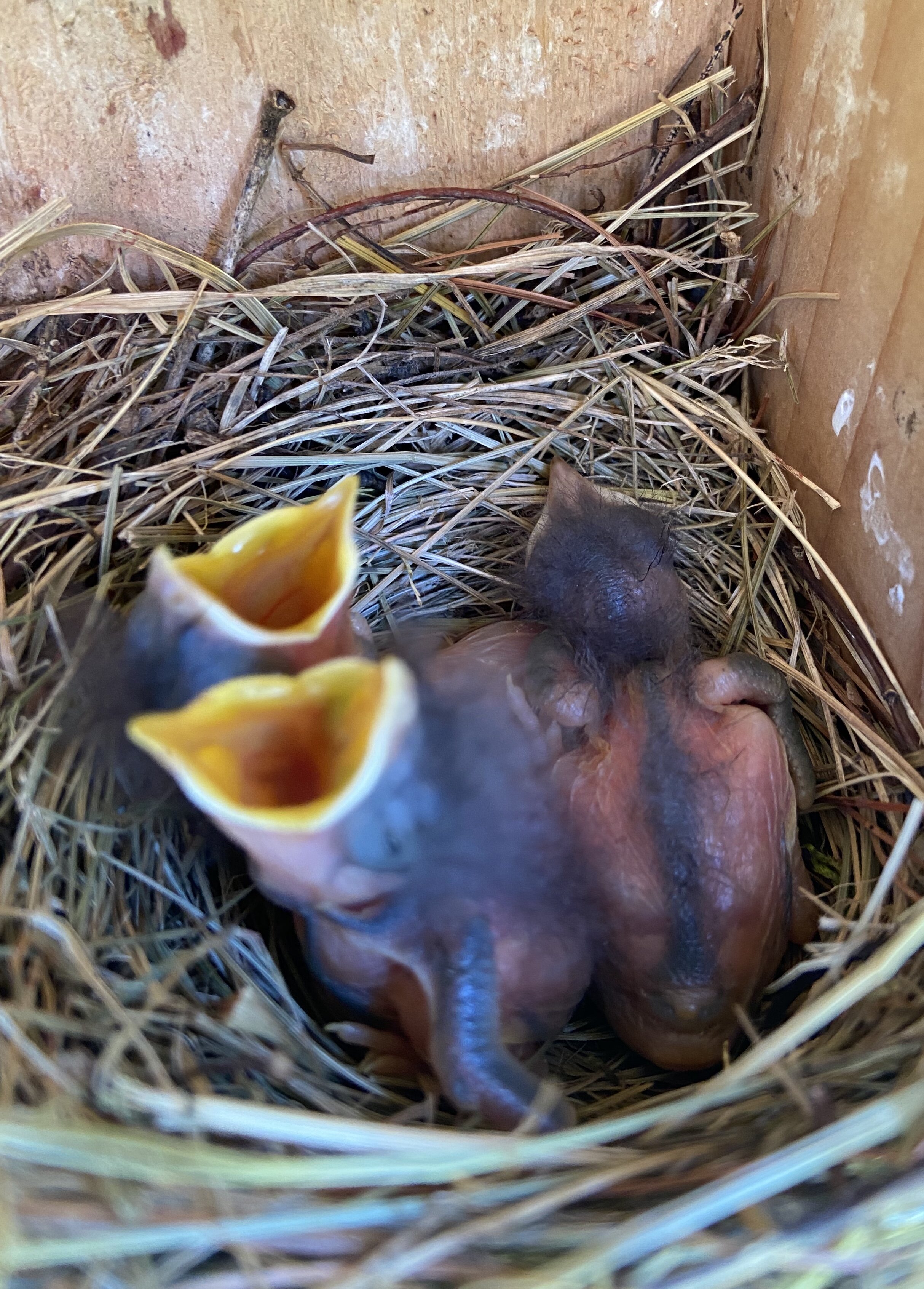
Martha Sykora connected with the Crofton Library Nature Explorers Club to teach students about the importance of birds in relation to the health of the environment. Focusing on bluebirds, Martha created activities to depict how the species is affected by the presence or absence of native plants and invasive plants, pollution from lawn products, and the benefits of conservation landscapes and trees.

Students were inspired to preserve or improve the preferred habitat for bluebirds, starting in their own backyards!

A Spooky Stormwater Solution in a Severn Subdivision

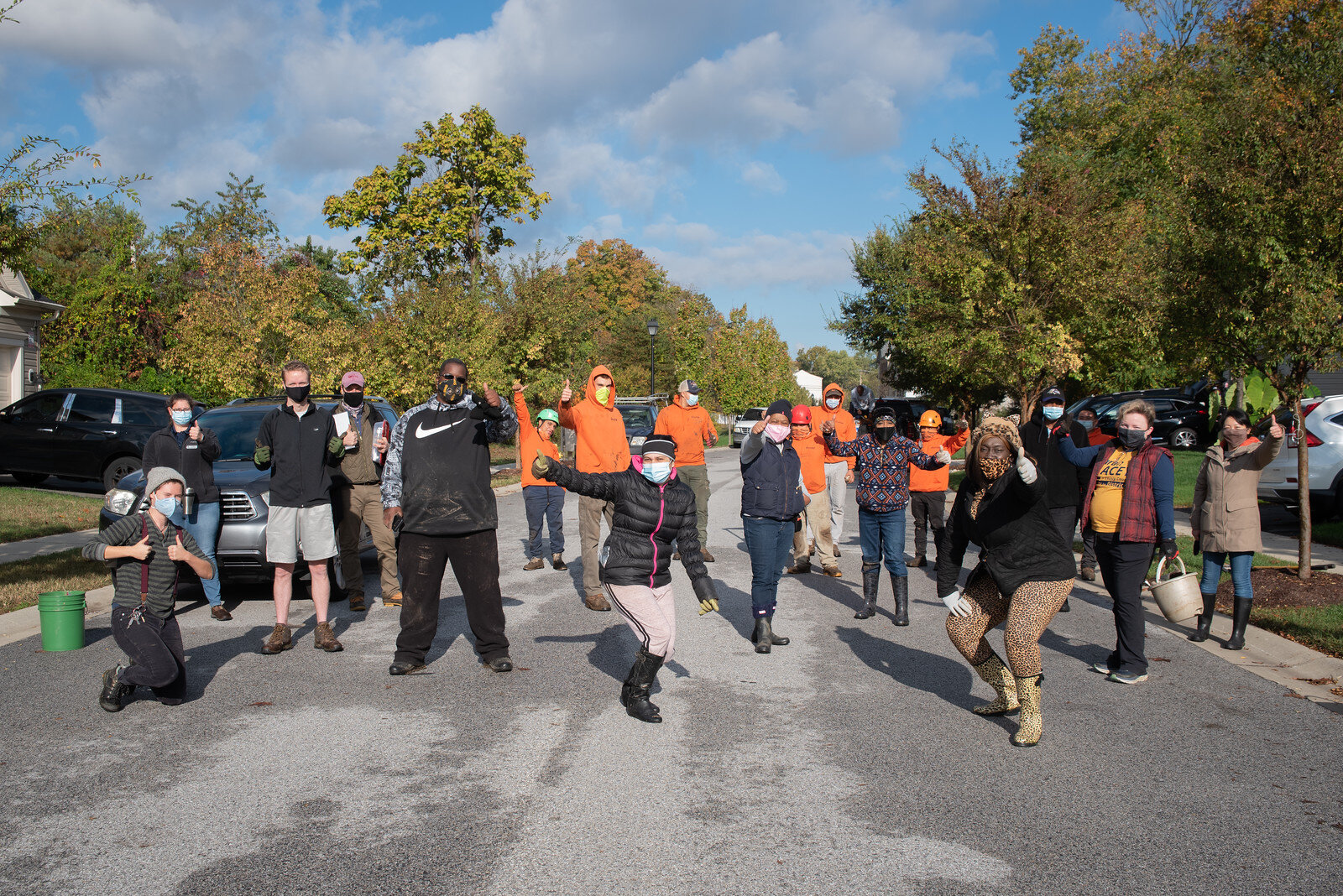
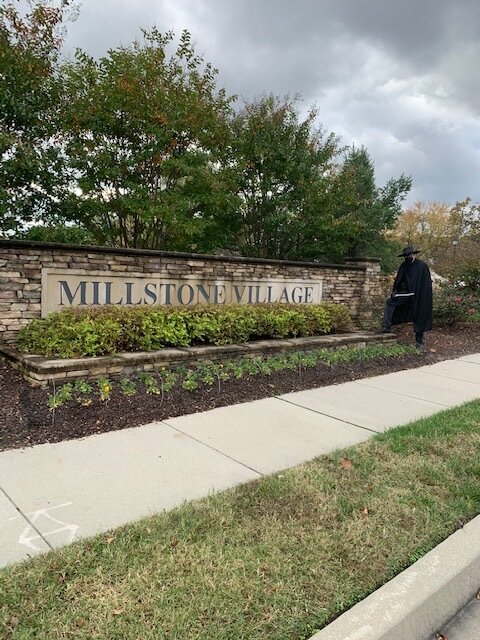
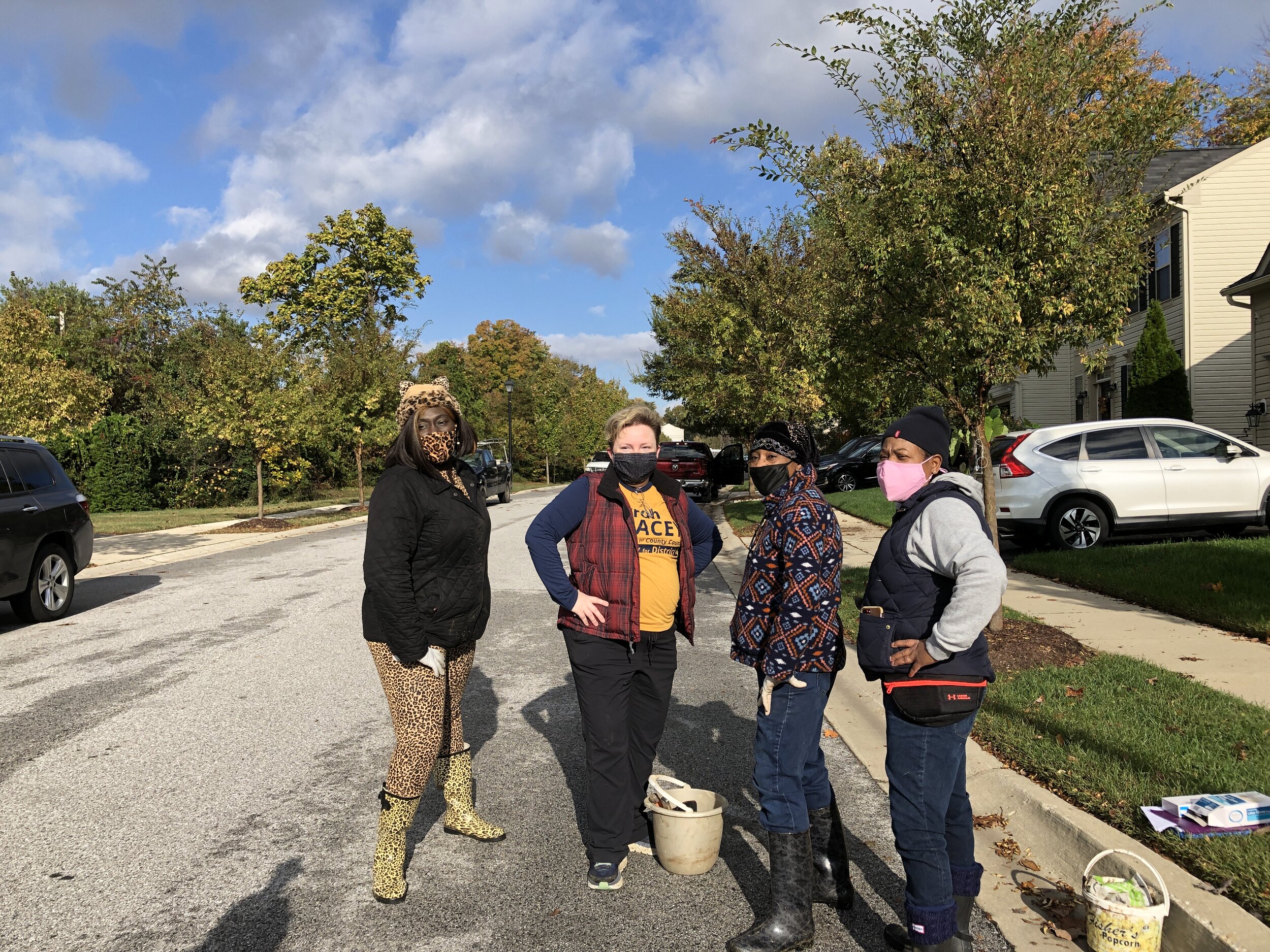
On Halloween, Rob Williams engaged his community of Millstone Village to remediate standing water issues in their neighborhood. By planting native perennials in a slow draining rain garden and nearby swale, the community will experience less standing water and fewer mosquitoes while beautifying the neighborhood!

This fall, leaf your impact on clean water!

Each year, many tons of leaves from our neighborhoods are blown or washed into local streams, clogging storm drains and releasing harmful nitrogen into the water. When leaves enter our waterways, they require 200% more oxygen to break down than on land. And, decaying leaves in our waterways block out sunlight, negatively impacting water quality and the health of aquatic life. But, you can do your part to help!

Leaves on hard surfaces: Removing leaves from hard surfaces, like driveways and sidewalks, helps to reduce pollution and harmful algae in our waterways.

Leaves on soft surfaces: As for the leaves in your yard and gardens, consider leaving or repurposing them to support native plants and animals. It really does make a difference!

WSA’s 3 Favorite Ways to Manage Leaves

Leave’em

If it is feasible, and not on impervious surfaces, it is best to leave your leaves on the ground! Raking up fallen leaves and sending them to the dump may be a normal autumn chore for most Americans, but this can be harmful to your local ecology and a waste of great nutrients in your lawn and garden.

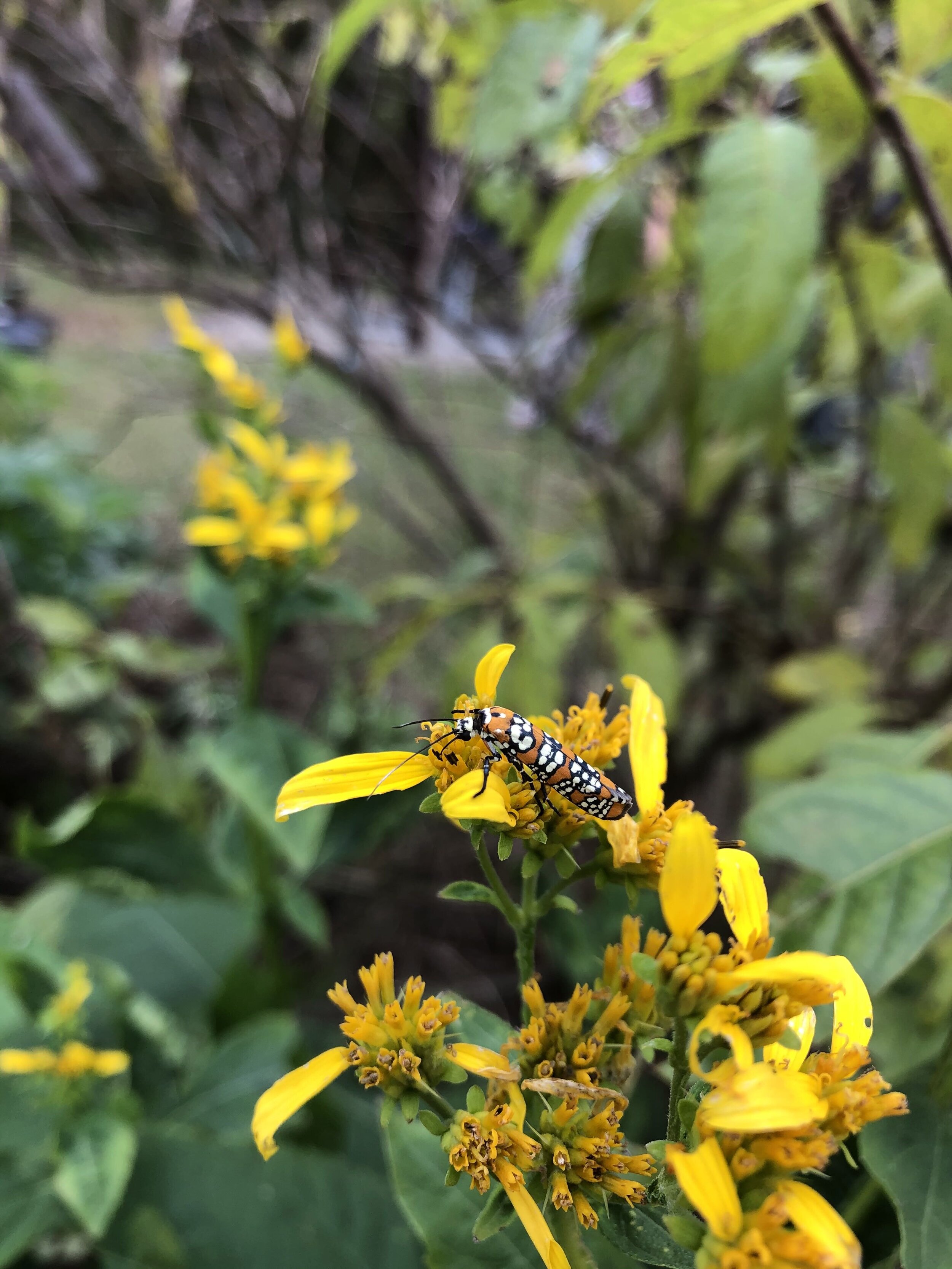
Removing leaves removes wildlife habitat. Animals ranging from insects to reptiles, to even mammals rely on leaf litter for food and shelter. Important pollinators like moths and butterflies overwinter in fallen leaves.

Leaves also form a natural mulch that helps suppress weeds and fertilizes soils as they break down; great for lawns and gardens!

If you must remove leaves from your lawn (or are afraid of smothering your grass), try these options:

Mulch’em

Based on research, mowing leaves into the lawn as they fall has been proven to improve the conditions of grass. The decomposed leaves will release nitrogen and phosphorus into the soil, the same nutrients in fertilizer typically applied in the fall. Set your mower to a 4” height and mow weekly.  Leaves shred more efficiently with residual light morning dew. Visually inspect in the spring, and you will notice a pleasant difference.

You can also move your leaves to your garden mulch beds and use them as natural mulch! After a few rainstorms, the leaves will flatten and become a dark bronze color mulch that inhibits weed growth but allows perennials to emerge in the spring.

Compost’em

If you really want to have tidy, clean lawn and garden beds, consider composting your leaves on site instead of throwing them away. Here is a great article about the best steps to compost your leaves!

Top 10 Reasons to be a leaf leader this Fall!

10. It’s good exercise

9.  Spend quality time with your kids outside

8. Make an impact in your neighborhood: lead by example and your community will follow suit

7. Keep your creek clean. Each year, tons of leaves from our communities contribute to dead zones in our waterways

6. Leaves cleared from the streets prevent injury and accidents

5. Protect your local wildlife. Insects, birds and small mammals rely on leaf litter for food, shelter and nesting material

4. Your azaleas, camellias, and rhododendrons thrive with shredded organic leaf humus

3. Enhances clay or sandy soil and introduces beneficial microorganisms to the soil

2. Protects shrubs and perennials from extreme temperature changes

1. Because it’s easy, ecological and the right thing to do

A Stormwater Success!

Early this fall, Stormwater Success, a short course for Property Managers and HOA Leaders,  went digital for about 30 County residents.

stromwater success 2.png

The first component was  Virtual Stormwater Success, developed by WSA's Restoration Coordinator, Josh Clark, in collaboration with our partners in Anne Arundel County Government and  the professional sector. This course provided property managers and HOA leaders with tools to reduce pollution coming from their properties and address their critical concerns, such as flooding, maintaining stormwater management devices, reducing management costs, and engaging their residents to reduce pollution from pet waste, litter, and other resources. 

You can find a taste of those resources here. If you would like more information, please contact Josh at jyetterclark@aacps.org

As part of Virtual Stormwater Success, participants attended an “Ask the Experts” session to connect them with stormwater professionals and County officials. Through these sessions, participants were able to troubleshoot community issues and brainstorm solutions. Knowledge in hand, they went back to their communities to promote best practices for managing pollution.

After gaining a base knowledge of stormwater practices, attendees were invited to join an in person Stormwater Best Management Practices Tour. With strict social distancing and safety protocols in place, tour participants visited local stormwater best management practices ranging from small scale infiltration practices to large scale stormwater ponds. 

By including a variety of practices and properties “in action”, attendees were able to draw connections between their own communities and potential pollution solutions. 

New to the Stormwater Success family this fall was an advanced seminar for HOA leaders, Stormwater Success: 201. The brainchild of Class 12 Steward Candidate Steve Miller, Stormwater Success 201 served as Steve’s capstone project for the WSA certification course. 

stromwater success.png

A dedicated group of about 15 County residents participated in this three-hour seminar, geared toward HOA/Condominium Association Board members and Property Managers. It provided education and resources to attendees who have - or will have - responsibilities for maintaining private stormwater management systems that were built in their communities using Environmental Site Design (ESD) criteria. This included practices such as rain gardens, dry wells, wet/dry swales, bioswales, bioretention areas, and stormwater ponds. 

Participants received information on stormwater system design, maintenance schedules for the most common Best Management Practices (BMPs), how to conduct inspections during and after storm events, as well as other actions to ensure successful near- and long-term operation of the stormwater management system.

The seminar also helped HOAs estimate annual and long-term costs for maintaining systems, learn how to hire the right service providers, and request credit on HOA stormwater remediation fees. Participants gained the knowledge they need to comply with the HOA’s Inspection and Maintenance Agreement with the County and to pass the County’s triennial inspection of the HOA’s private stormwater management system. 

WSA commends Steve for his thorough and well executed course. His knowledge and experience in navigating  community stormwater issues encouraged attendees to take action in their own neighborhoods! Congratulations, Steve! 

About Steve Miller: Steve moved to Anne Arundel County in 2013 and has been actively engaged in activities that help achieve better water quality and to promote a healthy environment.  He was elected in 2014 to the first Board of Directors for the Deep Creek Village Property Owners Association and is presently serving as its president. The Association is a member of Community Associations Institute and its management company is Associa Select Community Services. 

He is also a board member on the Broadneck Council of Communities and a member of the Growth Action Network, Arnold Preservation Council and the Magothy River Association.  Steve is serving as one of the first appointed members of the Anne Arundel County Citizens Environmental Commission and participated in the County’s Stormwater Workgroup.

You can review Steve’s presentations here. If you have specific questions about Stormwater Success 201, contact Steve Miller at millerstevej2010@gmail.com