Latin For Gardeners: September 2023

Latin for Gardeners

September’s Native Maryland Plant

Chelone glabra L.

(kee-LOH-nee GLAY-bruh) 

Common Name: Turtlehead

Why are there so many hummingbirds still visiting my garden in late September when many of my plants are out of bloom? It’s simple, it’s the wonderful Chelone glabra that is helping to keep them here; providing them with nectar as they spend their last days in Maryland before setting off on their long migration south. However, it’s not only hummingbirds that are benefiting from this late-summer to mid-fall blooming plant – its main pollinator is long-tongued bumble bees; bees that are still very active, even as the weather cools. These bees have the necessary strength and tongue needed to pry open the flower and reach both the pollen and the nectar.

Turtlehead is often found along stream banks and riparian areas, places where you might also find turtles.  In fact, its common name refers to the flower’s arching upper lip, which overlaps the lower lip like a turtle’s beak. 

Turtlehead is an easy plant to identify.  It’s clump-forming and has distinct two-lipped flowers that appear on dense spikes. Interestingly, it’s like Penstemon digitalis (June 2023’s native plant), in that it has 4 fertile stamen and an infertile one that is fixed to the bottom of the lower petal. 

Although I haven’t seen insect pests on these plants, I do find the plant is susceptible to powdery mildew and I’ve been told that deer may find it irresistible.  

If you’re interested in supporting bees in the fall and keeping hummingbirds in your garden for as long as possible, you really should consider planting Chelone glabra.


Alison Milligan – MG/MN 2013 

Watershed Steward Class 7/CBLP

aligmilligan@gmail.com

Latin for Gardeners: August 2023

August’s Native Maryland Plant

Veronicastrum virginicum (L.) Farw.

(ver-on-ee-KAS-trum vir-JIN-ih-kum)

Common Name: Culver’s Root

A native plant to most of the eastern United States, Veronicastrum virginicum, is a statuesque perennial that occurs in moist meadows and open woods. It is best planted at the rear of a garden or as a centerpiece in a circular bed, as its tall white spires may tower over other plants. Culver’s Root is slow to get established but can be considered a superior investment as it has ‘inherent longevity’ e.g., lifespan, and ‘persistence’ e.g., it holds its ground¹. Its flower spikes open from the top-down beginning as early as late spring and as late as September. Another benefit, mammalian herbivores (deer and rabbit) typically avoid eating it.

This plant is easy to identify, as its whorled leaves², long white spires, and height set it apart from other perennials. The plant generally has 5-7 whorled leaves that provide an attractive arrangement even before the flowers appear, as seen above left.

Insects visiting Veronicastrum sp. are rewarded with both pollen and nectar. It wasn’t until I attended a webinar on ‘Gardening for Moths’ by author Jim McCormac³, that I thought about its nighttime visitors. Jim enthusiastically encouraged his listeners to ‘buy this plant when you see it’ as it is a strong supporter of moths, and in fact, it’s the featured plant on the cover of his book by the same name. I couldn’t resist, after midnight the evening of the webinar I visited the Culver’s Root growing in my garden and was pleasantly surprised to see several moths seeking its nectar!

Consider taking your garden to new heights – plant some Veronicastrum virginicum and you’ll be providing food for pollinators - both day and night.

¹ ‘Planting – A New Perspective’ by Piet Oudolf and Noel Kingsbury

² Whorled leaves present as a circular arrangement of at least three leaves at each node.

³ ‘Gardening for Moths: A Regional Guide’ by Jim McCormac, Chelsea Gottfried

Alison Milligan – MG/MN 2013

Watershed Steward Class 7/CBLP

aligmilligan@gmail.com

Summer Staff Retreat

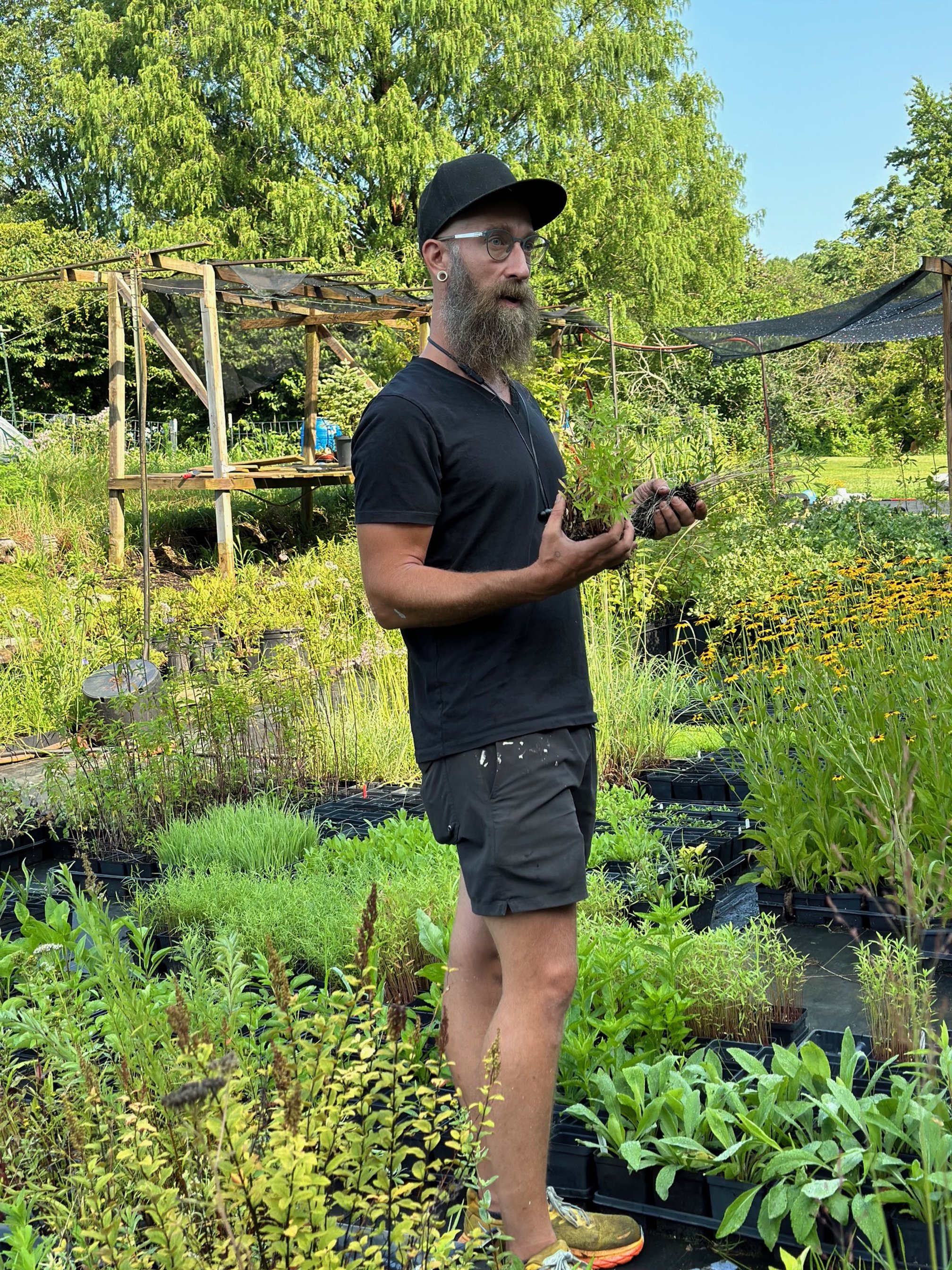
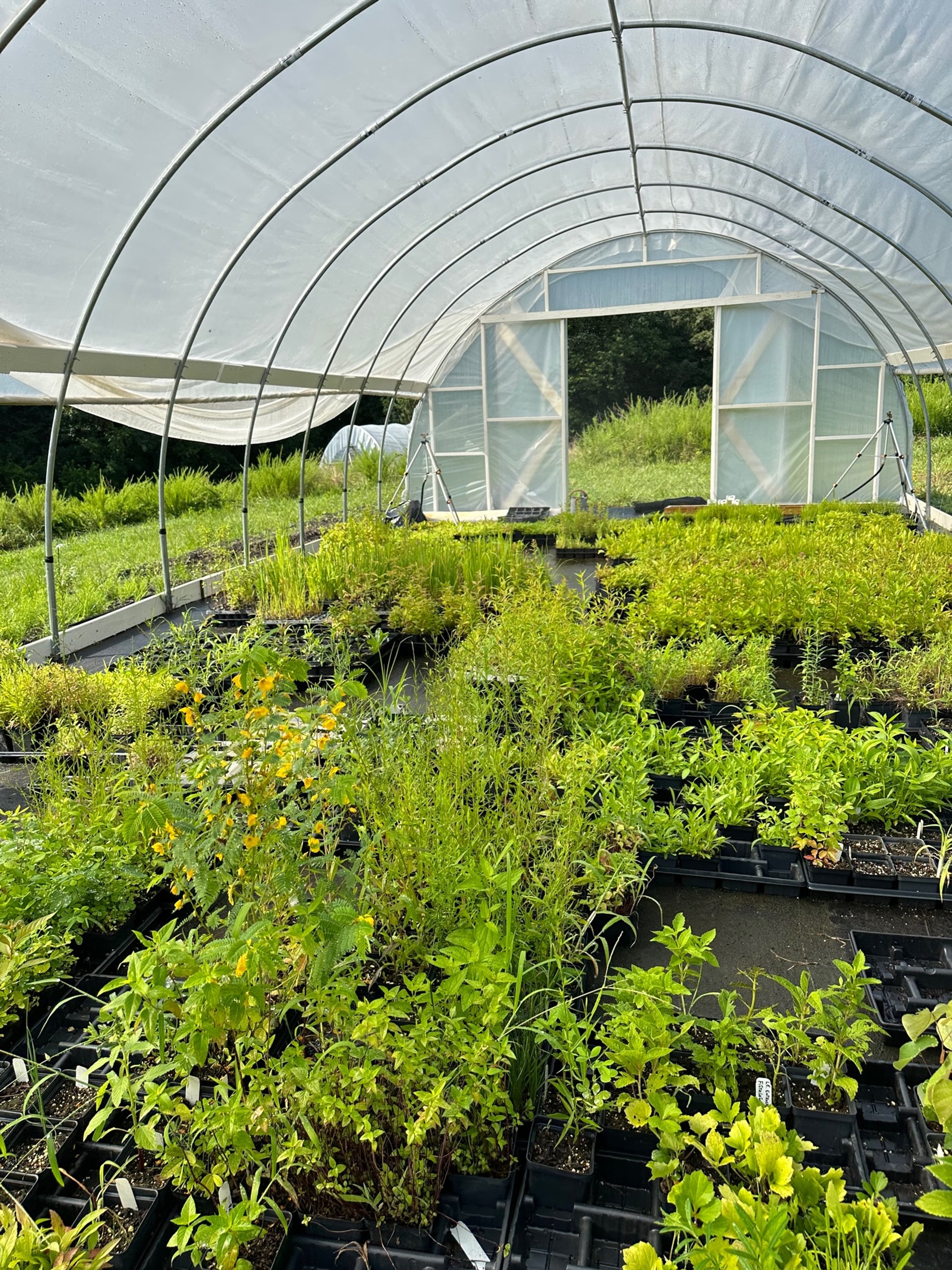
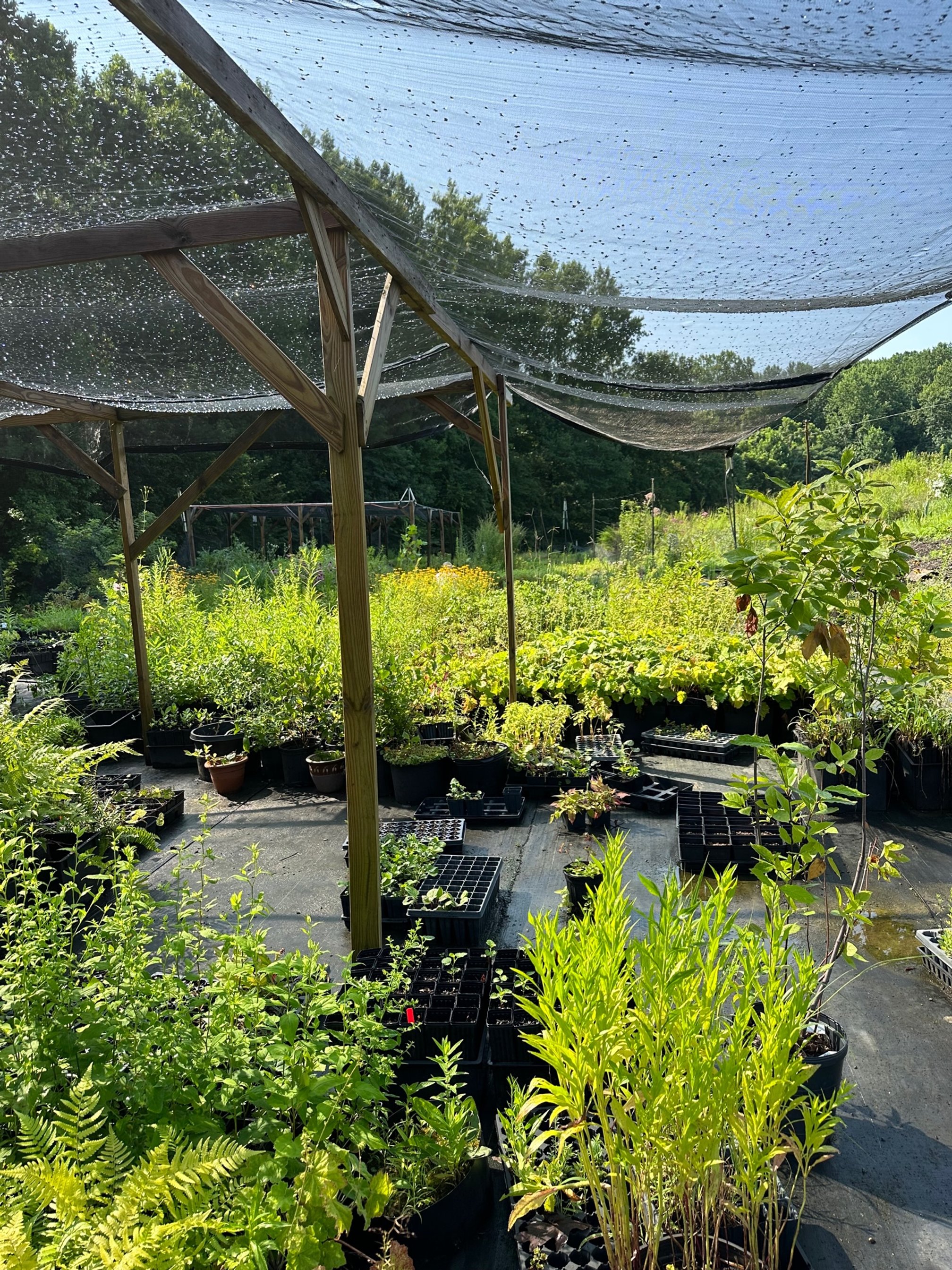
Last week the WSA staff team enjoyed a staff development day by exploring a local native nursery, touring the Captain Avery Museum, and even took some time to play games and do a craft together. We started our day bright and early before the heat of the sun could do us in by traveling down to Friendship, Maryland for a tour of Bona Terra Native Plant Nursery.  

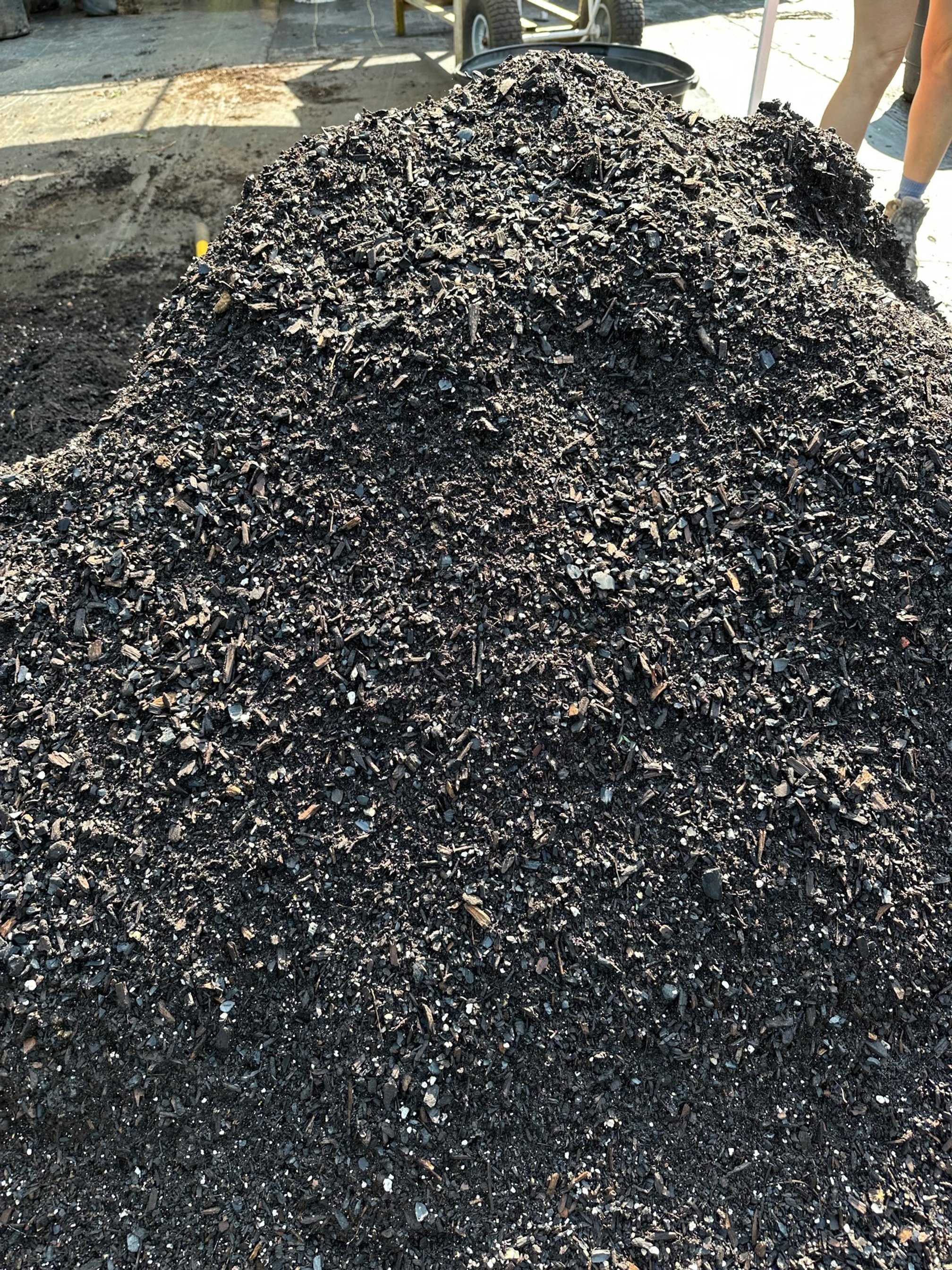
Jeremy Tidd, owner of Bona Terra, showed us his incredible operation which focuses on best environmental practices using organic and compost-based fertilizers and without the use of pesticides, herbicides, or growth hormones all in recycled pots! One of the most fascinating things Jeremy showed us was his peat-free soil and fertilizer made from invasive plants and fish! We were lucky enough to take home a few seedlings for our gardens! Jeremy has an ambitious goal of giving away 1,000,000 native plants this year so please visit his website and schedule your visit with him. You will not be disappointed.

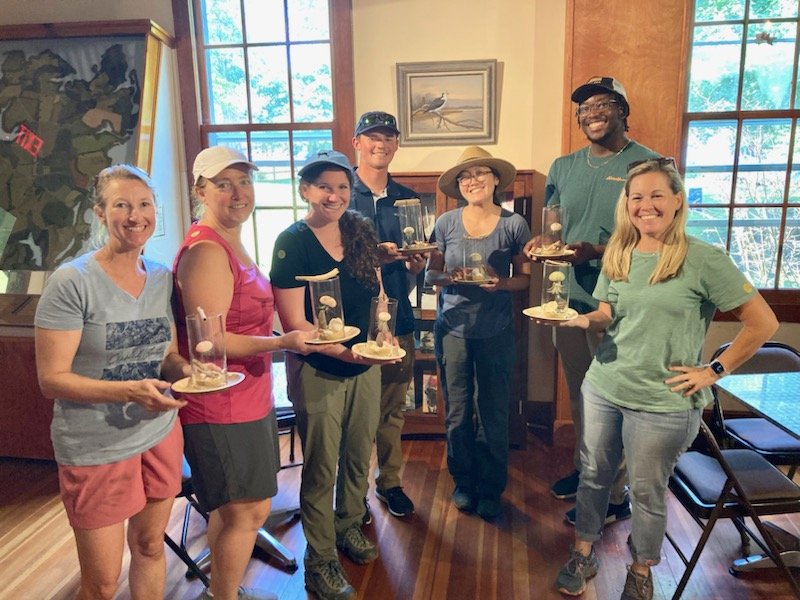
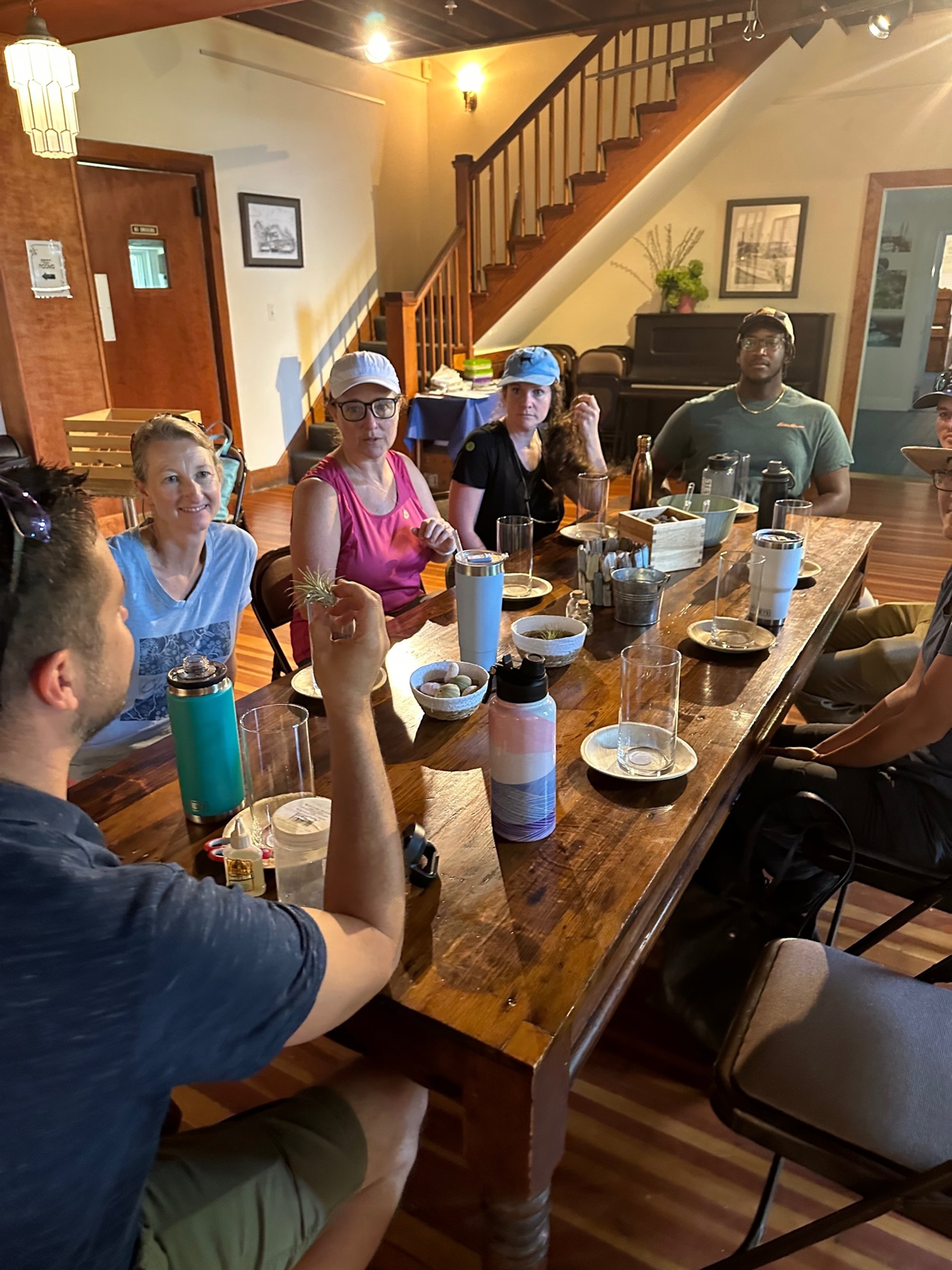
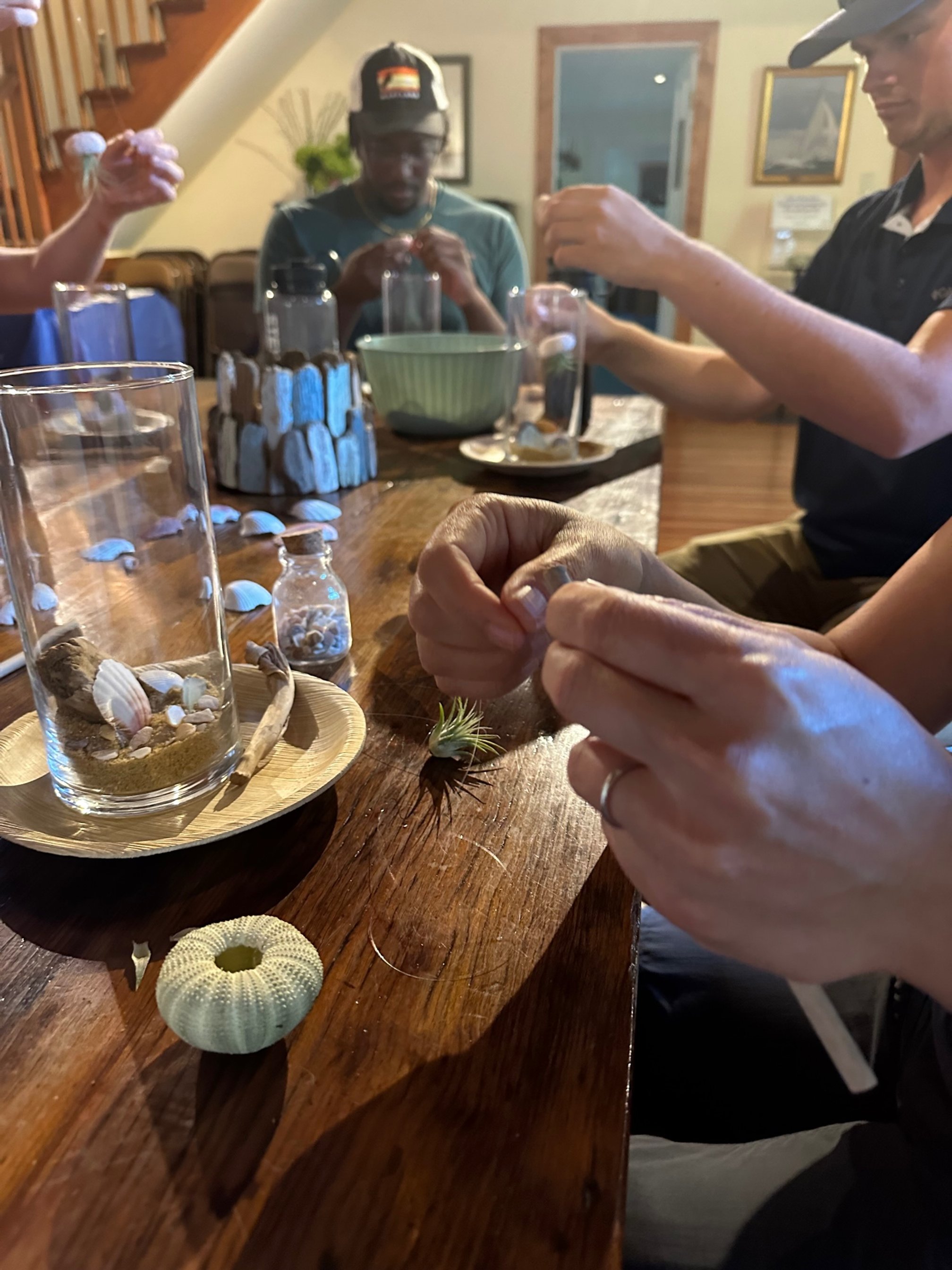
 After our nursery tour, we headed to the Captain Avery Museum in Shady Side where we had a delicious lunch from South County Café and made Jellyfish terrariums! Our Director of Restoration, Jeff Popp led us through this creative craft project and each jellyfish turned out unique and beautiful.

We finished up the day with a rousing game of Head’s Up! curated by our Community Engagement Specialist, Terryl. Terryl made our game completely environmentally focused which he named the “Chesapeake Challenge.” I have to say, MOST of us did pretty well!

Thank you to Bona Terra Native Nursery and the Captain Avery Museum for hosting us! We had a fantastic day filled with knowledge, inspiration, and lots of laughs!

Latin for Gardeners: July 2023

July’s Native Maryland Plant

Lilium superbum L.

(LIL-ee-um soo-PER-bum)

Common Name: Turk’s Cap Lily

When considering new plants to add to a garden, choosing native bulbs may not be what first comes to mind. However, if you’re searching for a stunning addition to add to your perennial garden, and you have patience and the right conditions, Lilium superbum may be the plant for you.  Keep in mind that bulbs can take more time to establish, sometimes two seasons or longer, and small rodents are fond of some bulbs.

I planted Lilium superbum in a raised bed that is consistently moist-wet and frequented by foxes – maybe why no rodents have bothered the bulb? The slightly acidic, loamy soil is a very loose medium that allowed the bulb to quickly establish; I topped with compost, providing nutrients that encourage growth, improve drainage, and help maintain moisture.  It was easy to recognize the plant as it emerged, since its whorled leaves and thick stem are unlike any others I’ve seen. It took my plant two years to develop into a tall mature plant, but it was well worth the wait.

Lilium superbum is the largest native American lily; it’s easily one of the tallest perennials in my garden - and not an easy plant to ignore.  It has no fragrance, but that doesn’t stop pollinators from finding it and feasting on its nectar. Although it has a stiff stem, I provide it with additional support to keep it standing tall after heavy summer rains. 

I’ll be spending much of my summer outside with my grandson, my first grandchild!  When we’re not in the garden looking at plants and searching for insects, we’ll be reading books, our second favorite way to spend time together.

I hope you enjoy your summer and that you consider planting a superb native bulb of Maryland, Lilium superbum!

NOTE: Lilium superbum are true lilies, growing from bulbs.  The Orange Daylily (Hemerocallis fulva) seen growing across Maryland, is a rhizomatic plant native to Asia; it’s considered a Species of Concern by the Maryland Invasive Society².  It easily spreads, forming a dense mat that can overtake native plant communities.

¹ Petals and sepals that cannot be distinguished

² https://mdinvasives.org/species-of-concern/terrestrial-plants/


Alison Milligan – MG/MN 2013

Watershed Steward Class 7/CBLP

aligmilligan@gmail.com