Celebrating Our History

DSC03030.jpg

10 years ago, THIS WEEK, WSA was born. In case you don’t know the full story, here it is… 

               In 2003,  Arlington Echo Outdoor Education Center began to partner with the Anne Arundel  County Department of Public Works (DPW) to install ecosystem restoration projects to address stormwater issues. These innovative solutions represented a paradigm shift away from “collect and convey” toward mimicking nature to clean, cool and infiltrate stormwater. As school children and their parents toured these sites, planted native plants and learned about stormwater, they began to understand their role in Bay restoration.  Communities began to ask what more they could do to help restore their creek, river or the Bay.  As Arlington Echo and DPW staff began to work with these communities, they quickly understood that they were outnumbered by people wanting to take action. Each of these communities needed someone to work with them, but there were not enough staff resources at either Arlington Echo or DPW to capitalize on all of the enthusiasm. 

               In 2005, Ron Bowen and Ginger Ellis of DPW began meeting with Stephen Barry and Suzanne Etgen of Arlington Echo to brainstorm ways to turn this growing awareness into action.  Over the next 2 years, and 100s of hours, the Watershed Stewards Academy concept was born.  After pitching the idea to David O’Neil (then of Chesapeake Bay Trust) and Verna Harrison (then of Keith Campbell Foundation), DPW secured three years of funding for program development.  Soon Carrie Decker of the MD Department of Natural Resources approached DPW about funding WSA with a small pot of NOAA Coastal Communities money. In December 2008, a staff person, Suzanne Etgen, was dedicated to work with the program and WSA was born. 

10 years ago this week WSA was born. On December 8, 2008, the WSA founders (Ron Bowen, Ginger Ellis, Stephen Barry and Suzanne Etgen) invited about 40 partners consisting of RiverKeepers, landscape architects, local government leaders and environmental advocates, to help in the formation of key aspects of the program:  Curriculum, Tool Box for Sustaining Action and Consortium of Support Professionals. A kickoff meeting was held in the Great Room at Arlington Echo, committees were established and less than 3 months later, WSA began training our first class of 32 Master Watershed Stewards.    

In spring of 2010, the Chesapeake Bay Program, impressed by the power of citizen stewards engaged through WSA, wrote the replication of WSA into their strategy to address President Obama’s Executive Order for Bay Restoration.  WSA formed a strategic partnership with the University of Maryland Seagrant Extension, to help propagate WSAs. There are now established WSA programs in the National Capital Region (Montgomery and Prince Georges County and DC), Howard, Harford, St. Mary’s and Cecil Counties.  Additionally, WSA has been replicated in Pennsylvania, upstate New York, and Minnesota.


Mission

Our Vision…  Every community in Anne Arundel County is actively engaged to ensure clean waters.

Our Mission… To develop citizen leaders to foster community change for clean waters.
Remembering Dick Lahn

Dick.jpg

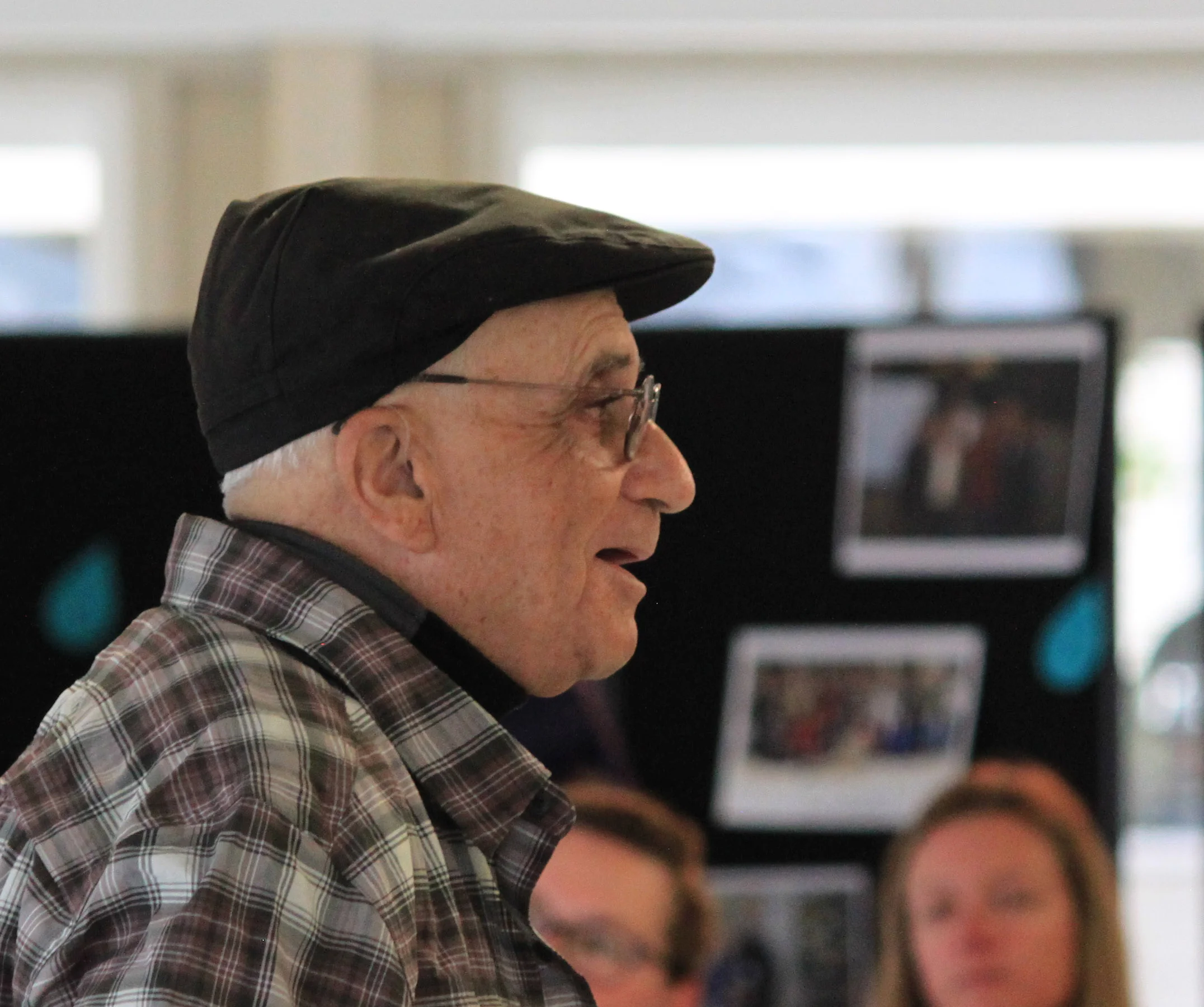
Along with most of the environmental community, we are saddened at the passing of Dick “Ivy” Lahn, WSA Consortium Member, founder of String of Pearls and extraordinary environmental advocate. 

I first met Dick when he was organizing stormwater project in Crofton in 2006. Dick, along with his sidekick, Ann Pearson, was trying to demonstrate how people in Crofton could very easily intercept water from their own roofs and driveways and keep it from getting into nearby streams. We sat together for several hours in front of a computer making maps of the Crofton area and its watersheds to be posted at the local library.  

Over a decade later, Dick remembered that day, and remarked on it just a few months ago at WSA’s 10th anniversary celebration at Mayo Beach Park. This was so characteristic of Dick  -  to recognize and thank others for their role in HIS work. Rather than take credit, Dick was always looking for ways to build others up; to acknowledge with gratitude the efforts of others.

IMG_1239i.jpg

There are many kinds of leaders in the environmental movement. Dick was not a “take charge” leader or one to relish the spotlight. Instead, Dick led with humility, focusing on a vision of people working together to make change. His way was to exuded so much love and gratitude toward people doing good things that we just could not help but do more of those good things.   

A great example of his gratitude-centered leadership is his String of Pearls project. If you are not familiar with it, check it out.

Personally, I am so grateful to have had Dick as a mentor and friend. My life and WSA’s path has been altered by his gentle spirit and his passion for positive change. Today, I remember Dick and am reminded to consider his “gratitude-centered” leadership as I move into the holiday season. Thank you Dick, for all you have given. We will miss you. 

Suzanne Etgen

Master Watershed Steward Amy Clements with Dick Lahn at WSA’s 10th Anniversary Kickoff Celebration

Master Watershed Steward Amy Clements with Dick Lahn at WSA’s 10th Anniversary Kickoff Celebration

Berrywood Updates: November 2018

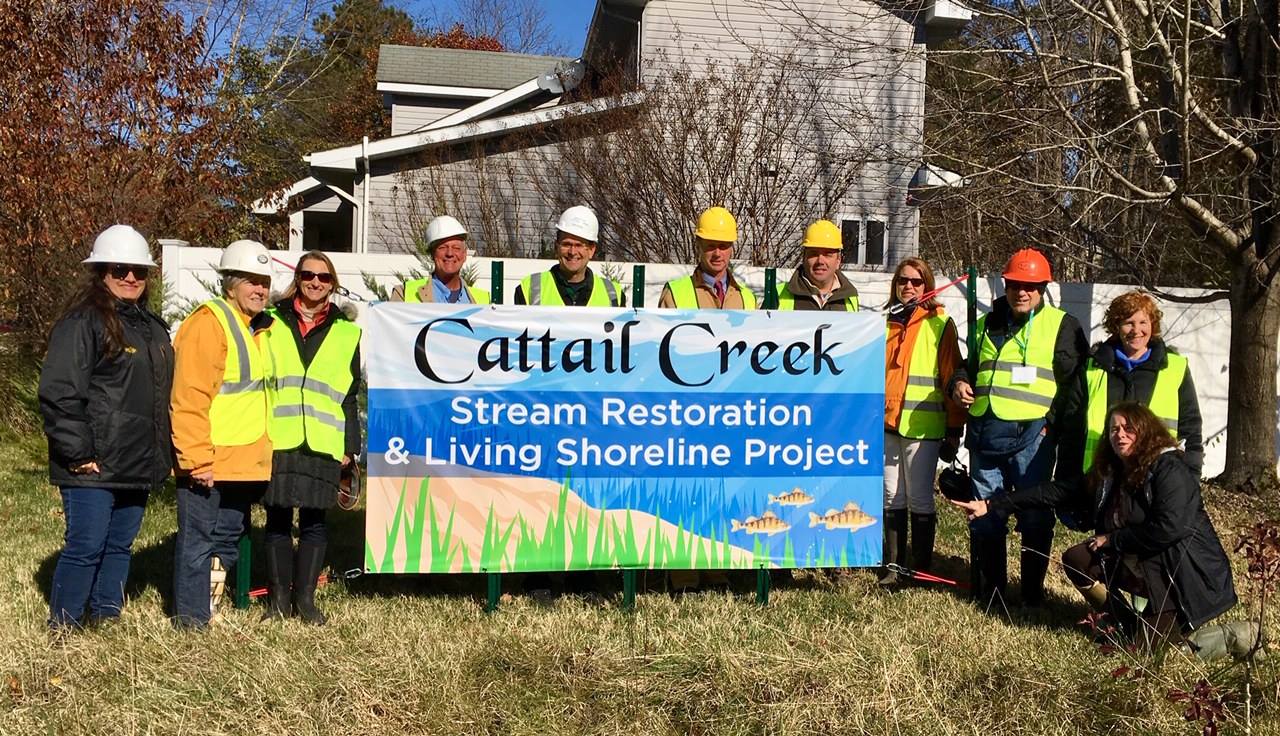
The Berrywood Community Association (BCA) is a homeowners association located in Severna Park. The BCA’s property is transected by a section of Cattail Creek, a principal tributary of the Magothy River. BCA is partnering with the Watershed Stewards Academy, the Chesapeake Bay Trust and Maryland DNR to implement a stream restoration and living shoreline project as well as stormwater BMP’s to address erosion issues and to improve the water quality of Cattail Creek.

The Berrywood project consists of:

  • A regenerative stormwater conveyance system. This system raises the stream bed and uses weirs to slow and widen the stream flow, increase floodplain connectivity, and reduce erosion.

  • Replacement of the bulkhead along the marina and replacement with a living shoreline.

  • Installation of additional rain gardens to capture and treat runoff from the access road, parking lot and basketball court.

Cattail Creek is a spawning ground for Yellow Perch. All in-stream construction will be completed before spawning season begins (February 15).

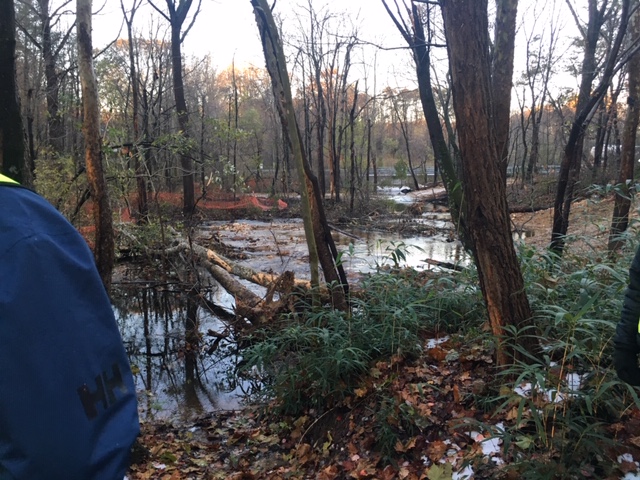
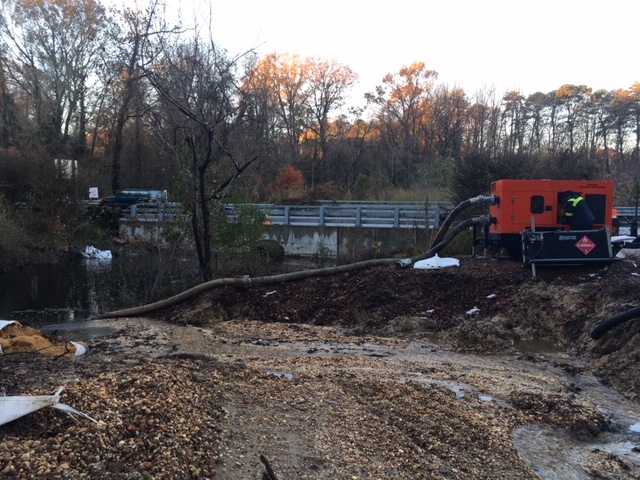
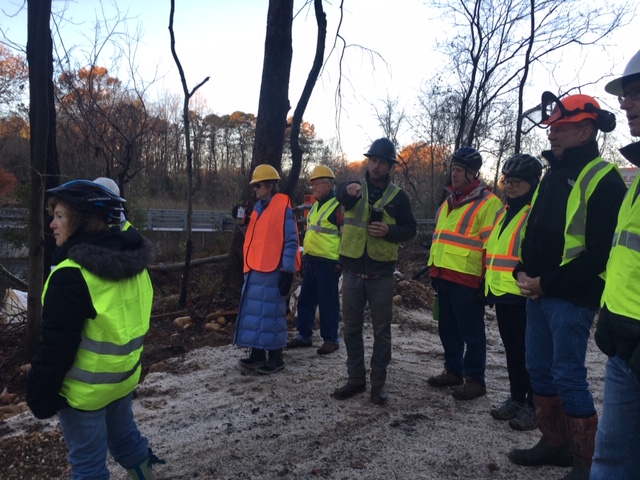
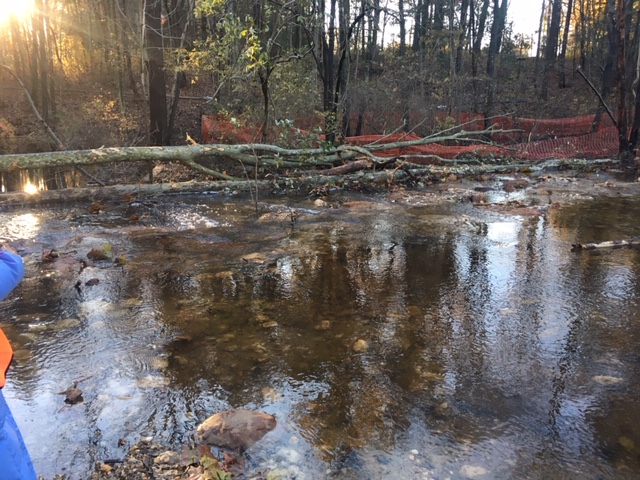
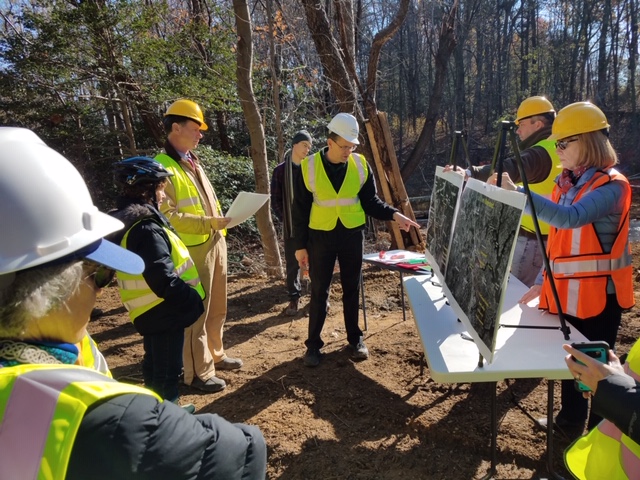
As of November 2018, the Berrywood stream restoration and living shoreline is well underway. All but two weirs have been built in the stream portion of the project and the living shoreline is being finished this week. There is still much more work and several other bioretention components to this project that need to be built. The below photos are of a recent Community Construction Progress Meeting after a 1.5" storm. The pump which handles base flow is at the top of the project. We can see how the newly restored stream reconnects the stream to the surrounding flood plain. It is functioning splendidly!

Berrywood Welcomes Steuart Pittman

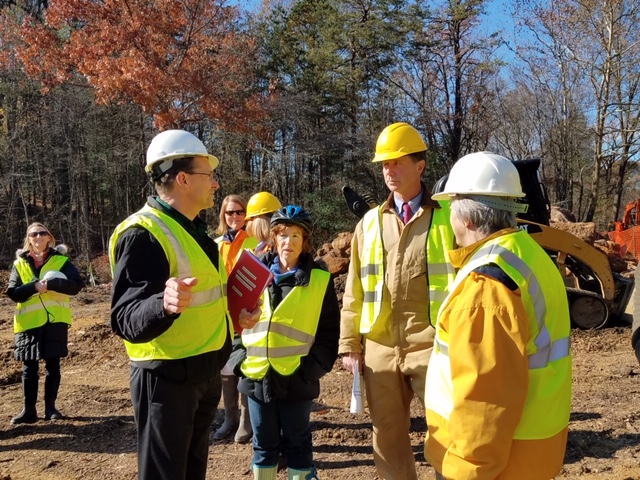
On Wednesday, November 21st, County Executive Elect Steuart Pittman visited the Berrywood community to see the Cattail Creek stream restoration and living shoreline project. This project is possible through the support of the county, the Department of National Resources, the Chesapeake Bay Trust, the Anne Arundel Watershed Stewards Academy, and the work of members of the Berrywood Community and its Association. 

Community members emphasized the importance of this project on improving water quality in the Magothy. They pointed to plans for future development upstream that could negatively impact this watershed and encouraged the County Executive Elect to keep water quality as an important goal in pursuing development. 

Latin for Gardeners: November 2018

November’s Native Maryland Plant
Juniperus virginiana L. (joo-NIP-ur-us vur-jin-ee-AY-nuh)
Common Name: Eastern Redcedar

Juniperus_Main.jpg

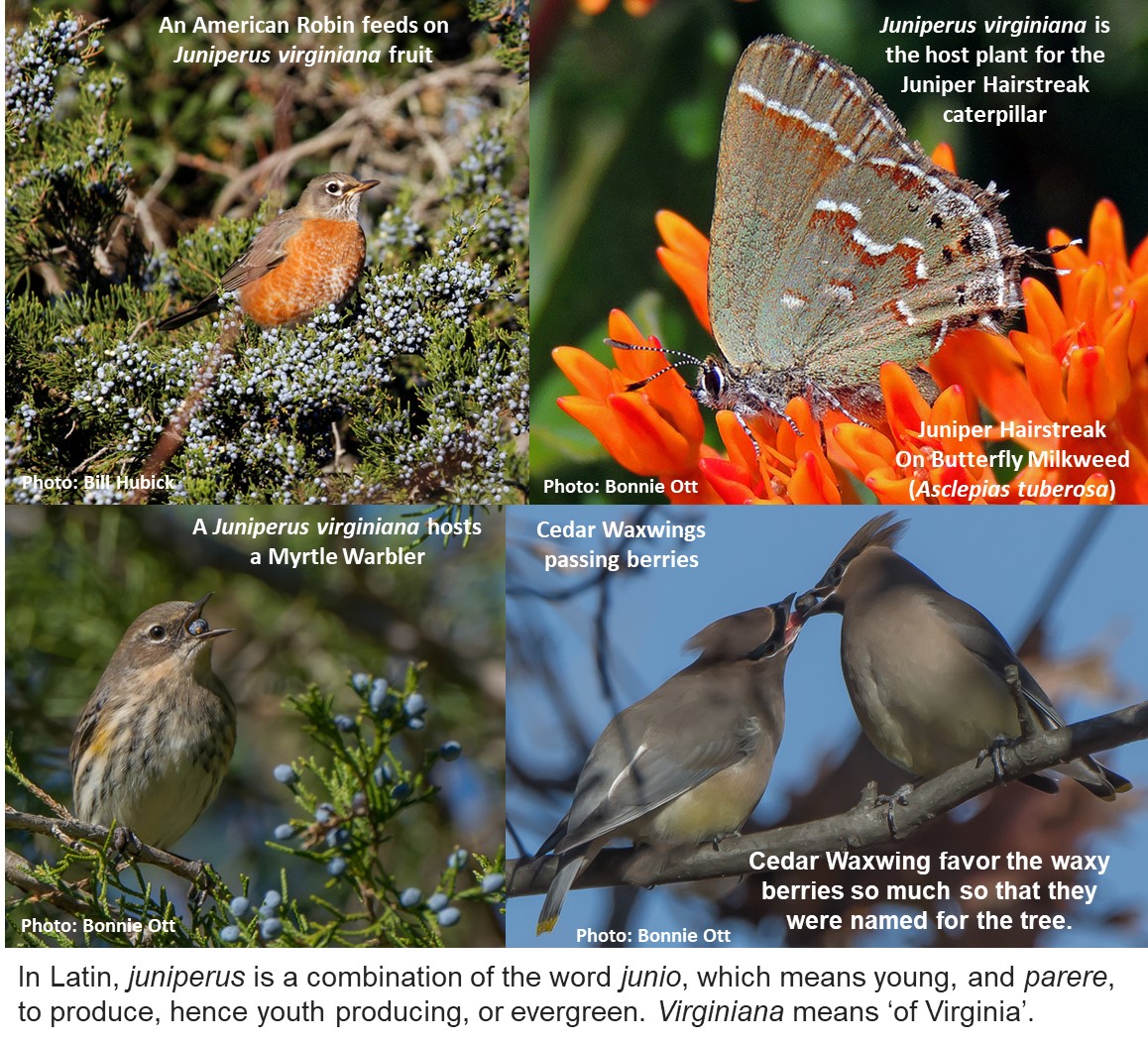
The 2018 Latin for Gardeners year began with the White Oak (Quercus alba), a majestic tree with a considerably long lifespan, and according to Doug Tallamy¹, one of the most beneficial trees for birds and other wildlife. I would like to close out the year highlighting another tree, this one an often-overlooked but ubiquitous evergreen - Juniperus virginiana, a member of the Cypress (Cupressaceae) family.  Likely never to be called majestic, Eastern Redcedar’s waxy berries are consumed by over 50 species of birds and many mammals, including rabbit, fox, raccoon and coyote; its dense branches provide cover for these animals year-round.  The needle-leaves of junipers are stiff and sharp and the juvenile foliage is very prickly. This is a helpful identification feature in Juniperus spp. saplings, as the otherwise very similar juvenile foliage of cypresses is soft.

Juniperus_Misc.jpg

Juniperus virginiana is a pioneer² species that thrives in dry, sunny sites and can withstand extremes of drought, heat and cold; based on recent climate predictions you are likely to see more of this tree. The oldest known specimen of Juniperus virginiana was found in Virginia, it was 940 years old – more than twice as old as the Wye oak!

Interestingly, Juniperus virginiana’s common name, Eastern Redcedar is a misnomer; it is not a true cedar (Cedrus). The lack of space between the words "red" and "cedar" indicates this. This means that the heirloom cedar chest, (lined with Redcedar planks), where my grandmother kept spare blankets and linens is really a juniper chest!

NOTE: You may be aware of cedar apple rust fungus that infects Juniperus virginiana - it is rarely fatal.  However, this fungus is very damaging to apple trees so planting these two trees in close proximity should be avoided.

~ Alison Milligan – MG/MN 2013
Master Watershed Steward Class 7
aligmilligan@gmail.com

1 University of Delaware, Professor of Entomology

2 one of the first trees to repopulate cleared, eroded, or otherwise damaged land. It is unusually long lived among pioneer species, with the potential to live over 900 years.