WSA Staff Comfort & Joys of the Season

In the spirit of the holiday season, our staff is sharing what brings them joy in the winter. Check out our tried and true recipes, favorite traditions, and more!

1.png

Noelle: My family loves making latkes to celebrate Hanukkah. Traditional potato ones are great, but we also have fun experimenting with new flavors. Carrot + parsnip, sweet potato + apple, and leek + kale + potato are great combinations. (I highly recommend any recipe by Martha Rose Shulman.)

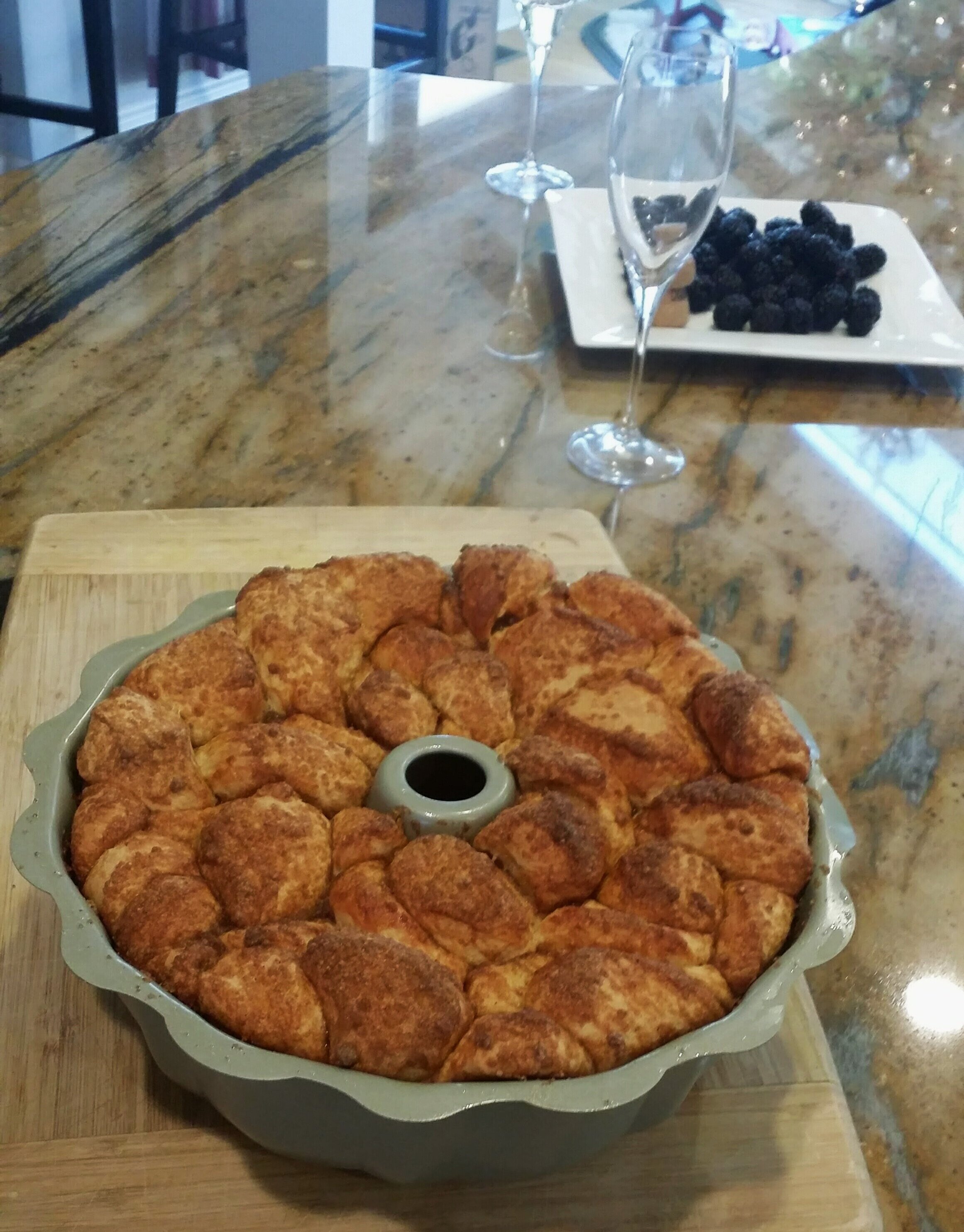
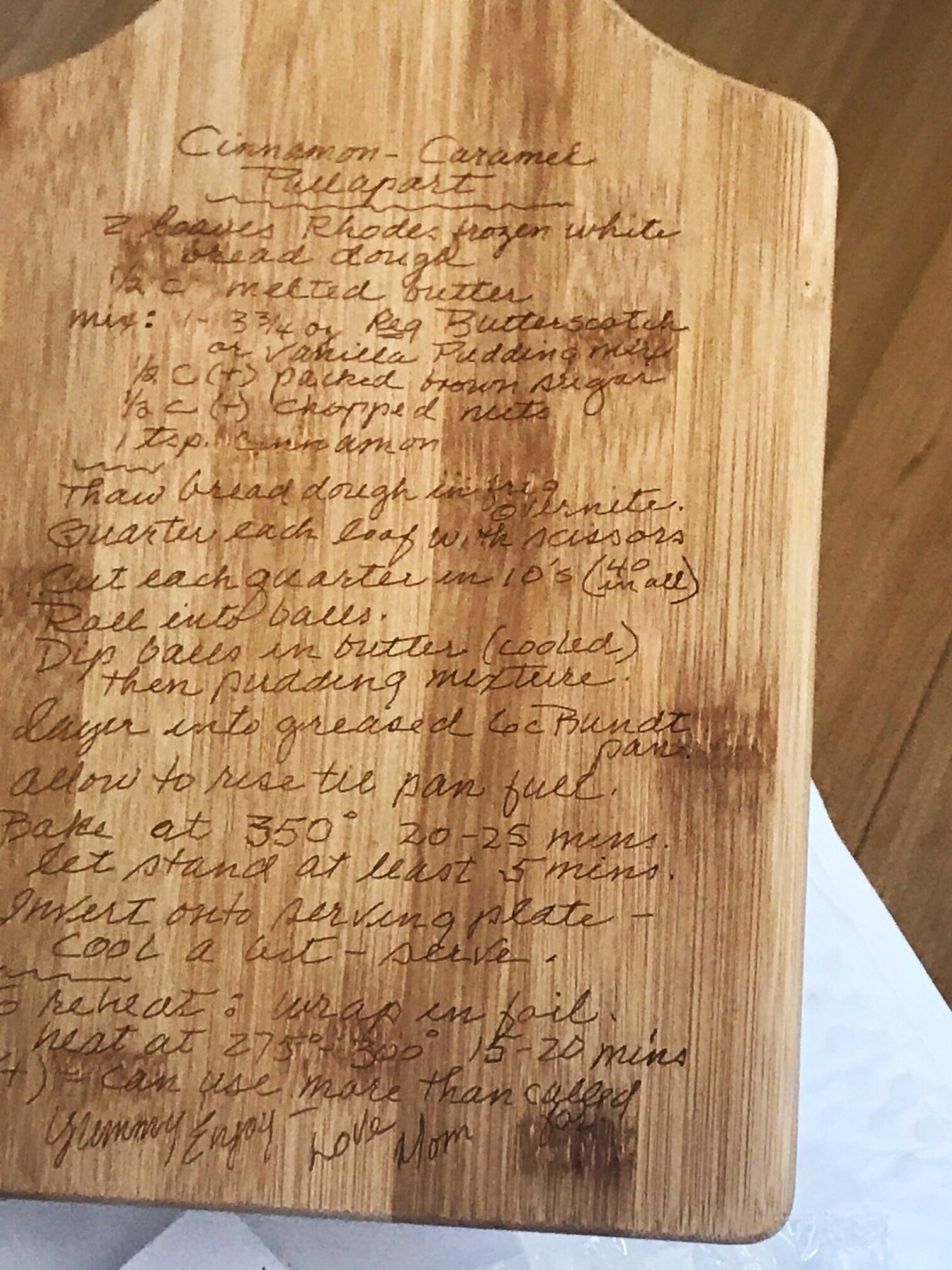
Trish: My husband grew up enjoying his mom’s “pull-a-part” every Christmas morning. About 10 years ago, she gave me the recipe and I now make it for my family on Christmas. My entire family loves it, every year my sister calls me a week before the holiday asking for the recipe. For a present last year, I gave Ryan a cutting board etched in his mom’s handwriting the pull-a-part” recipe.

Josh: I have been trying to perfect my mulled cider recipe for the last few years and it has quickly become a staple of the time between Thanksgiving and New Year’s Day. I’ve experimented with spices, juices, and cooking methods and am getting close to the recipe we will use every year!

Grae: Every New Years Eve for the past five years, my partner and I have made a feast of appetizers. The centerpiece is ALWAYS baked brie wrapped in puff pastry with a layer of raspberry jam.

koinonia2.jpg

Suzanne: I love to give homemade food gifts at Christmas and one of my favorite recipes is sweet and savory pecans.  Each year I order a large bag of fresh pecans from a place near and dear to my heart and it makes the gift all the more meaningful.  After college I lived on a farm on south Georgia called Koinonia. It was founded in the 1940s as an intentional community to protest racial segregation and environmental degradation caused by traditional farming practices. In the 1970s it was the birthplace of Habitat for Humanity. In the 1990s the community was dissolved and the resulting non-profit returned to the local community. I learned so much as the permaculture intern, and studying social justice. That year really shaped who I am today and I am always so happy to support their efforts.

2.png

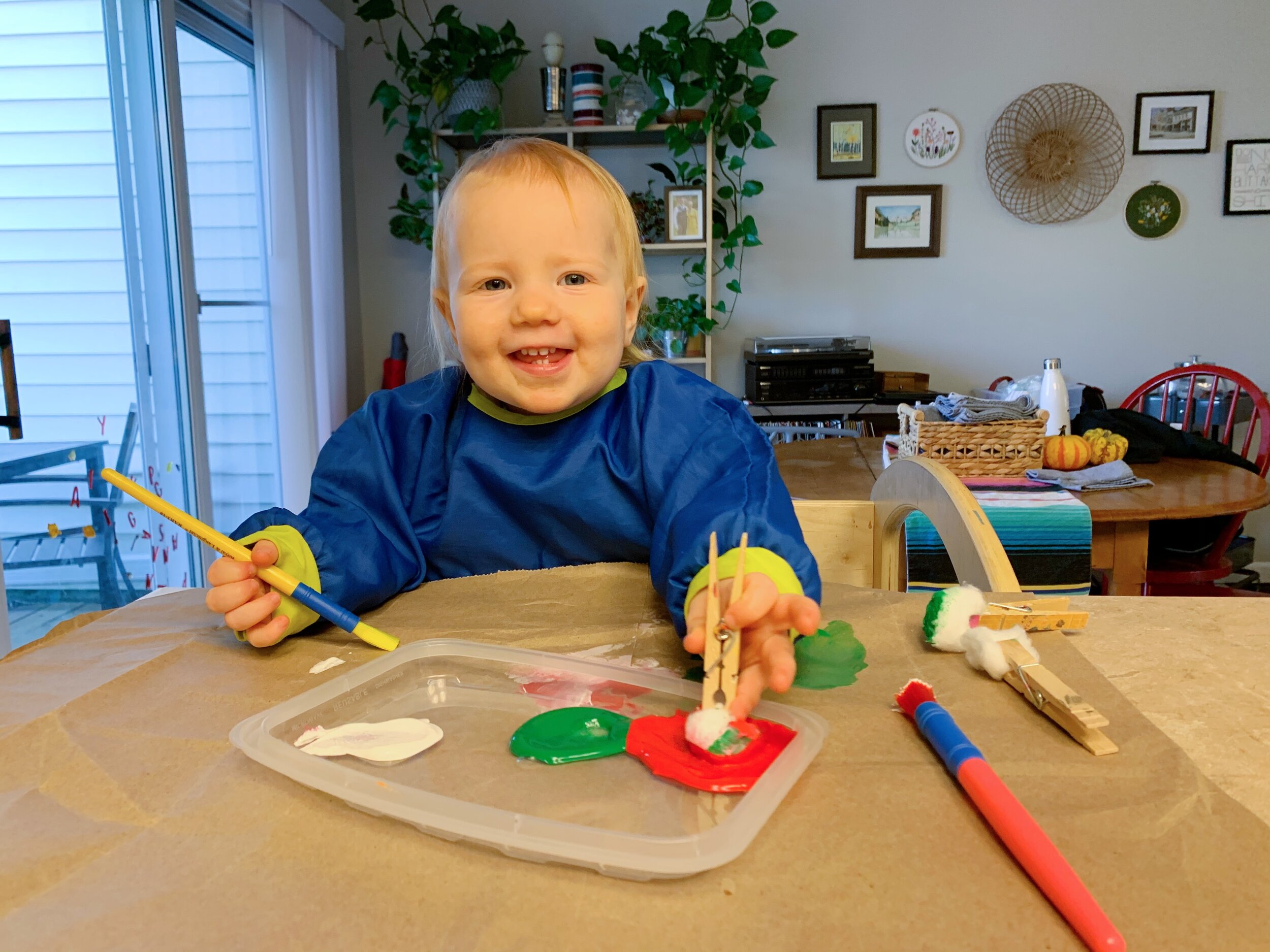
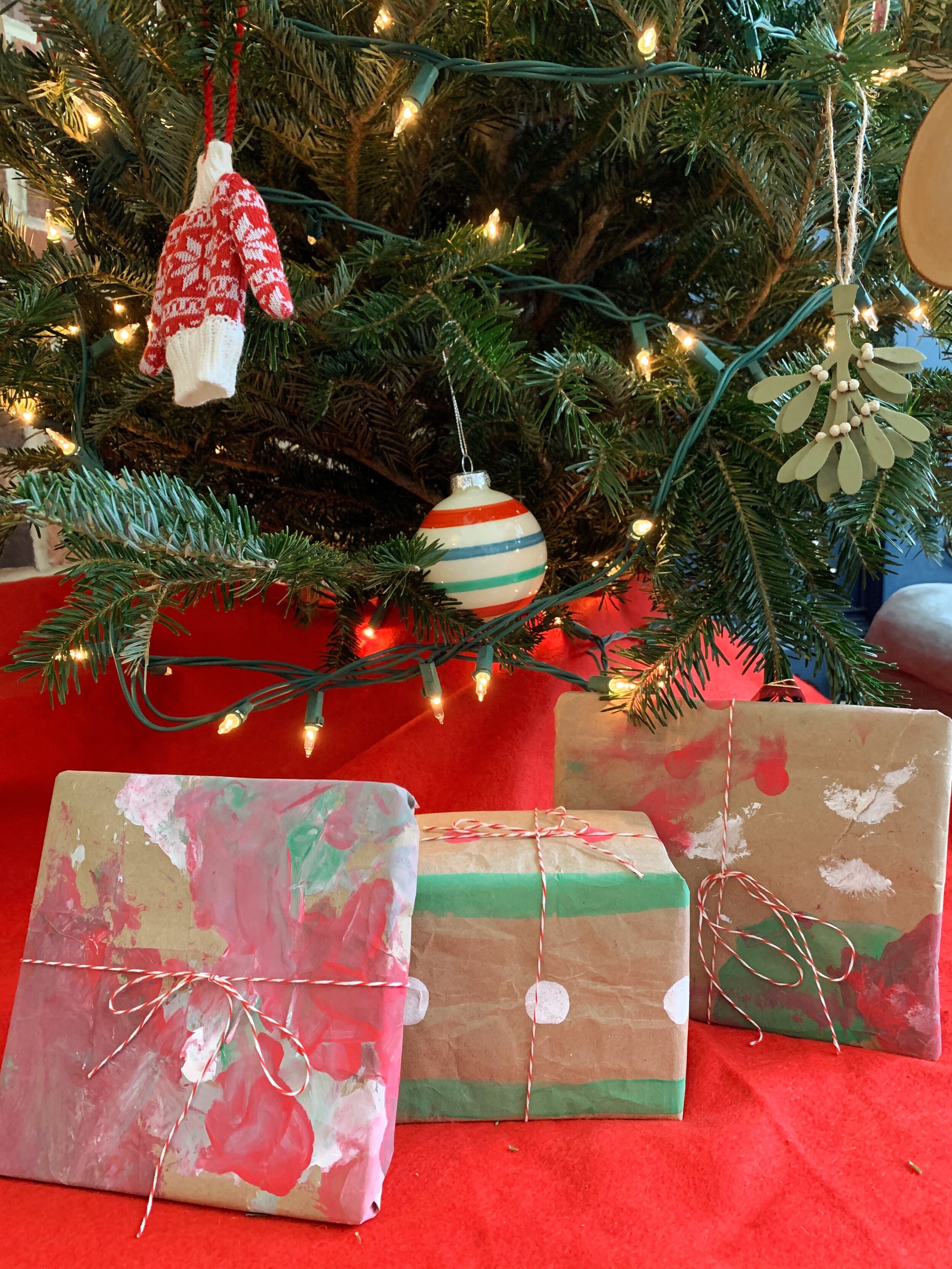
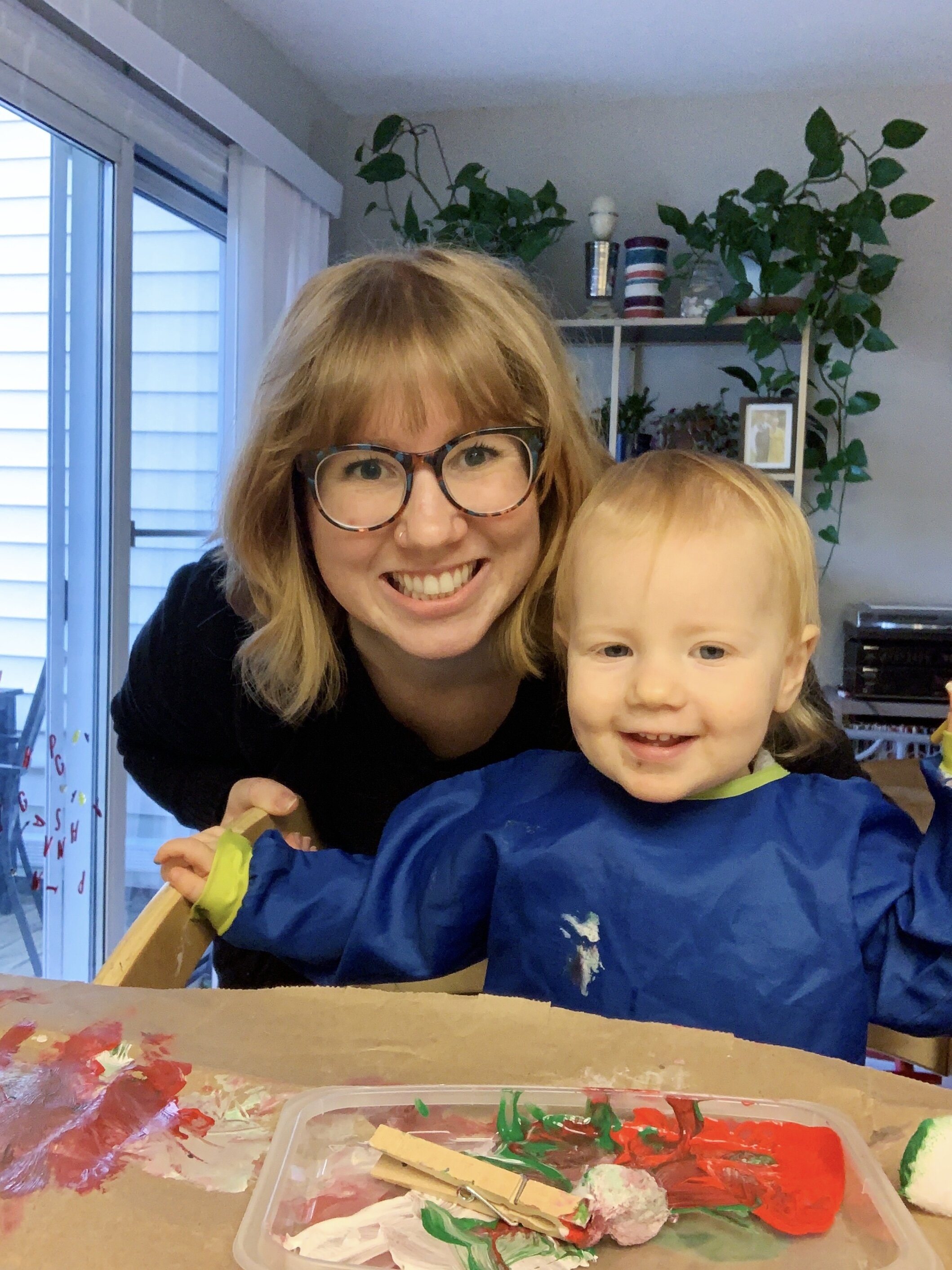
Katie: This year, I started a tradition with my toddler- creating upcycled wrapping paper! We gave paper bags a festive makeover using finger paints. Most of the paint ended up on the paper, which was a true holiday miracle. I hope the wrapping brings just as much joy as the gift when the recipient finds it under the tree!
Untitled design (5).png

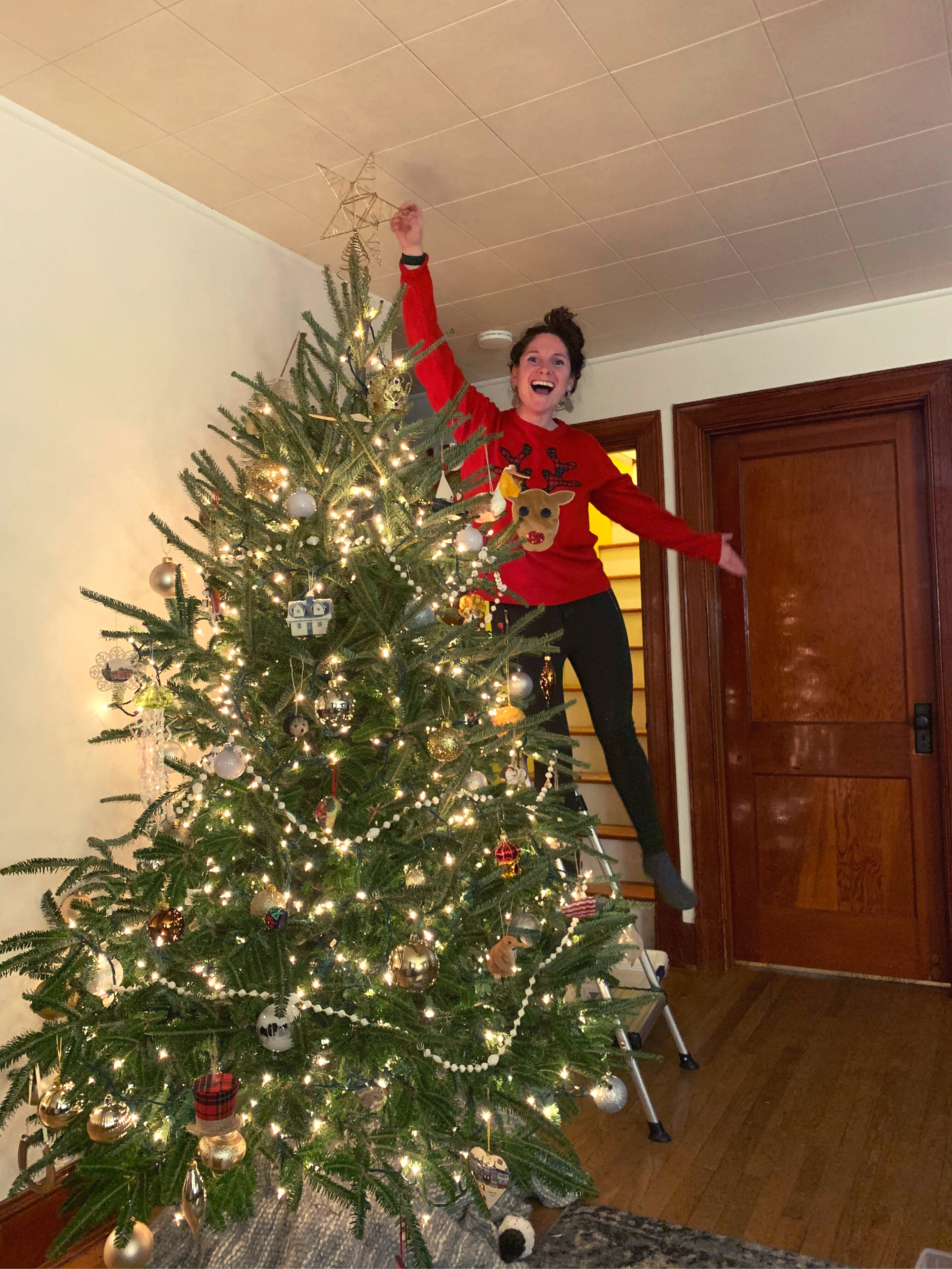
Francesca: I love holiday lights and decorations! There’s something so magical about seeing everything come to life in the middle of a cold, dark winter. I love how it brings so much light and warmth and makes everything more beautiful. I always blare holiday music and put on my most festive outfit when we decorate our home. 

Trish: A new holiday activity in our house is packing up and going skiing/snowboarding over the break. We love waking up to the bright snow and warming ourselves in the evenings with a big bonfire.

Suzanne: Each year my sisters and cousins get together for an all day cookie bake. Each of us has our signature recipe and we are sure to carry on some family traditions. My favorite for many years was given to me by Lara Mulvaney - Chocolate Pistachio Sable from Bon Appetit. This year since we can’t get together, we are having a cookie dough exchange. Each person rolls out or cuts their dough and freezes it on a tray, then packages up 6 or 8 pieces for each person. This way we can bake a few cookies at a time all season long.

josh knits.jpg

Josh: This time of year is all about knitting for me. As the days get shorter and I’m inside for a bigger part of the day, knitting allows me to feel productive. It keeps my finger joints loose as the temperatures drop and family and friends get the fruits of my labor as holiday gifts.

3.png

Grae: I love all things snow! Anytime we actually get snow in MD around the Holidays is my favorite. Sledding, making igloos, throwing snowballs, just going for walks in the silence of the snowy winter wonderland (especially at night when the lights twinkle off of the snow crystals).

Josh: My favorite Christmas song is God Rest Ye Merry Gentleman by the Barenaked Ladies and Sarah McLachlan. This version’s bass is great and the beat always makes me feel festive.

a christmas story.gif

Trish: Every year my family watches A Christmas Story. We love little Ralphie's desperate desire for the Red Ryder BB gun and his mom telling him over and over again “you’ll shoot your eye out”. Our favorite scene in the movie: when the leg lamp shows up and seeing the family's reactions.

Suzanne: My favorite sustainable gift is shampoo and conditioner bars. These little bars have no plastic packaging and made from sustainable ingredients. They last an incredibly long time and make my hair feel great, and I love not having big plastic  shampoo bottles. I like to order from Naples Soap Company because they are a woman owned business and do not use any palm oil. 

Francesca: My favorite holiday album is Christmas with the Rat Pack...I can’t wait for it to be “A Marshmallow World” this winter!

tumblr_mwm0c7kfzm1r066hlo7_r1_250.gif

Noelle: Our favorite Christmas movie to watch as a family is Home Alone! I love listening to my son’s non-stop giggles during the final scene when the bandits get caught by all of Kevin’s traps. Classic!

Katie: My favorite holiday album is A Charlie Brown Christmas. Nothing puts me in the holiday spirit like hearing it spin on the record player!

charlie brown.jpg

What’s bringing you comfort and joy this season? Let us know in the comments below!

Latin for Gardeners: November 2020

November’s Native Maryland Plant
Quercus phellos
(KWURK-us FELL-us) L.
Common Name: Willow Oak

Quercus_phellos_Main.jpg

As master gardeners, naturalists and watershed stewards we are often asked to recommend trees suitable for a yard, community planting or restoration project.  When this happens, we often turn to our Native Plants for Wildlife Habitat and Conservation Landscaping manual for guidance.  The list of native trees is diverse, but the number of native Quercus species listed is twice that of the second most populace species, Pinus.  It should come as no surprise then, that in the mid-Atlantic states much of our forest is defined by the Quercus (Oak) genus.

In fact, Quercus species are highly valued for the vast ecosystem services they provide and are considered ‘keystone’ species for the inherent value they bring to an environment.  Across the nation ‘Oaks are ranked either number one or number two in their support of the food web in 84% of all U.S. counties in which they occur.¹

Quercus_phellos_meaning.jpg

I frequently recommend Oaks on projects because of their ecological value and because there is an oak to fit most any site condition. Quercus phellos is commonly planted as an ornamental tree; planted in a ‘good’ site it has moderate to rapid growth, it’s able to withstand sun and part-shade, is salt and wind-tolerant (once established) and has easily compostable willow-like leaves. Like all oaks, Quercus phellos is an excellent shade tree that casts a long shadow that can shade a home or paved area; it is a suitable street tree if there are no overhead wires.

When using trees in a landscape it is always important to discuss maintenance.  A tree needs its requisite sun, water, and room to grow, but it also needs to be protected from invasive species that may climb its trunk and smother its branches.   To thrive, routine maintenance should include identifying and removing invasive species from around its trunk and beneath its branches. 

Quercus_phellos_Ivy.jpg

If you want to increase biodiversity, help protect your watershed, and improve air quality, look for places where you can plant this keystone species - you should not have to go far. 

¹ Nature’s Best Hope, Doug Tallamy (Narango, Tallamy and Shropshire 2018)

~ Alison Milligan – Mstr. Gardener/Mstr. Naturalist/Mstr. Watershed Steward

Chesapeake Bay Landscape Professional (CBLP)

aligmilligan@gmail.com

Class 12's Impact

Each year, Steward Candidates complete a capstone project as part of the Certification Course. From creating activities to engage students in environmental literacy to rehabbing raingardens, Class 12 Stewards made an impact on clean water throughout the county!

Jug Bay's Rain Garden Revamp

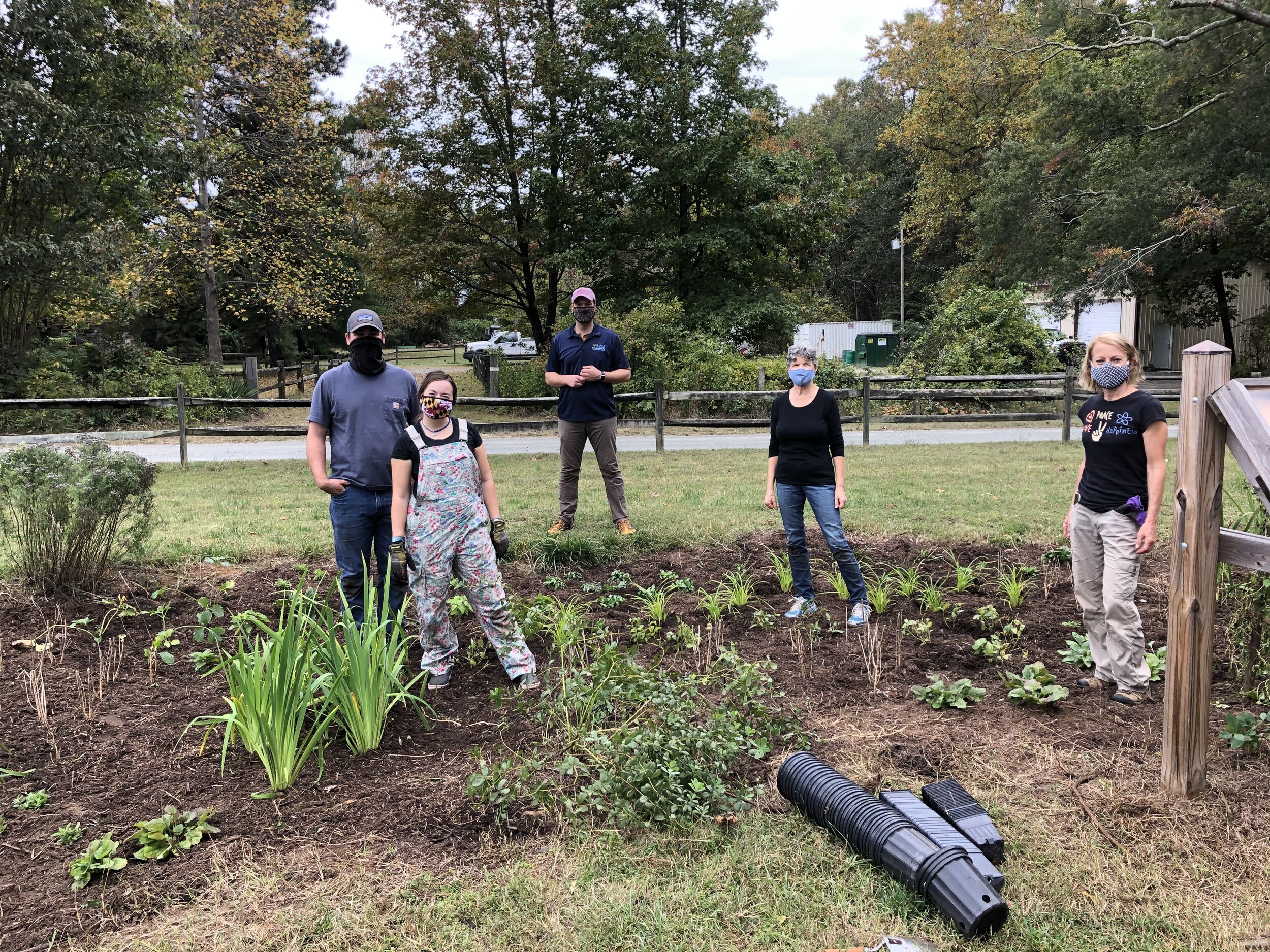
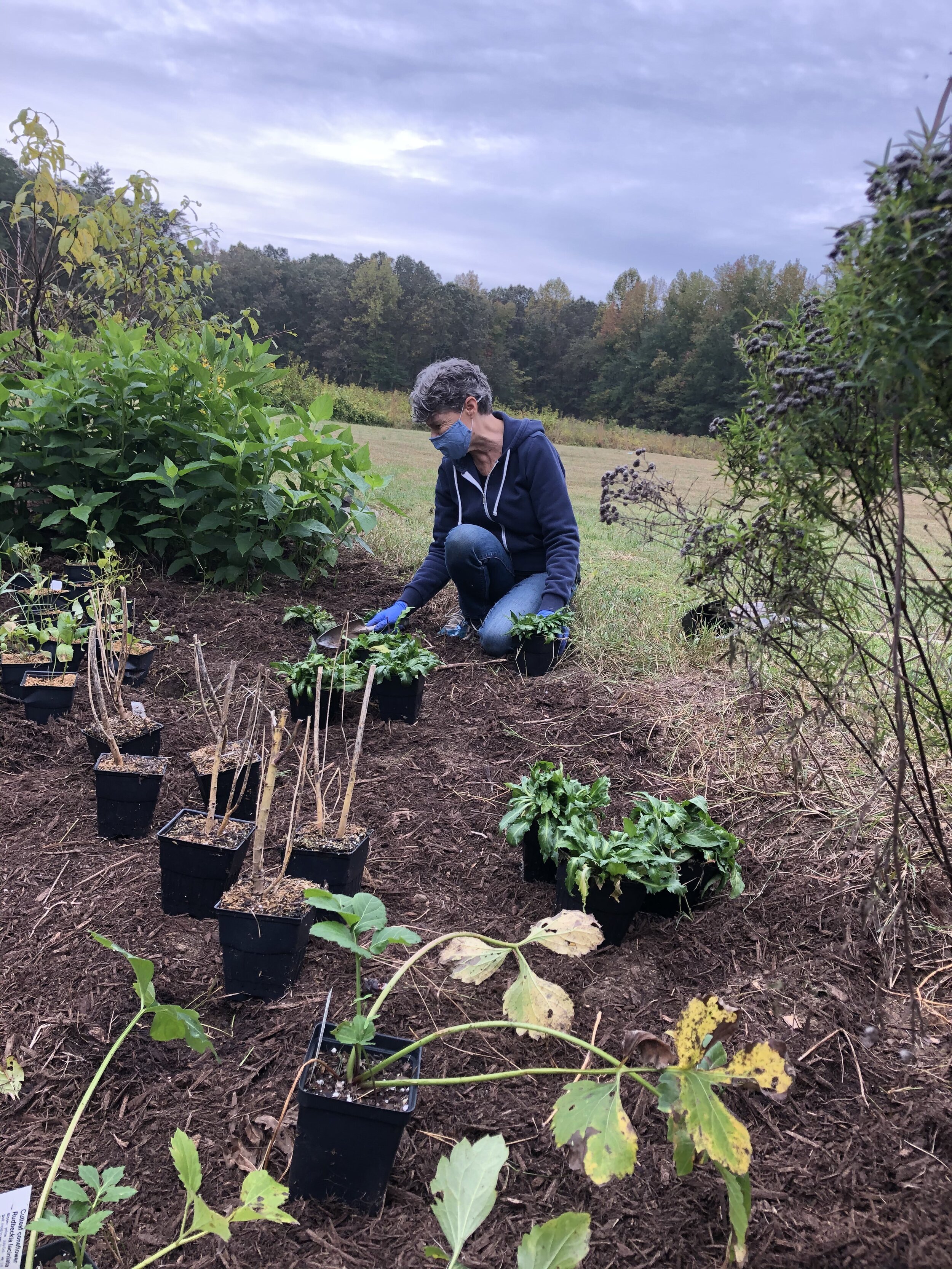
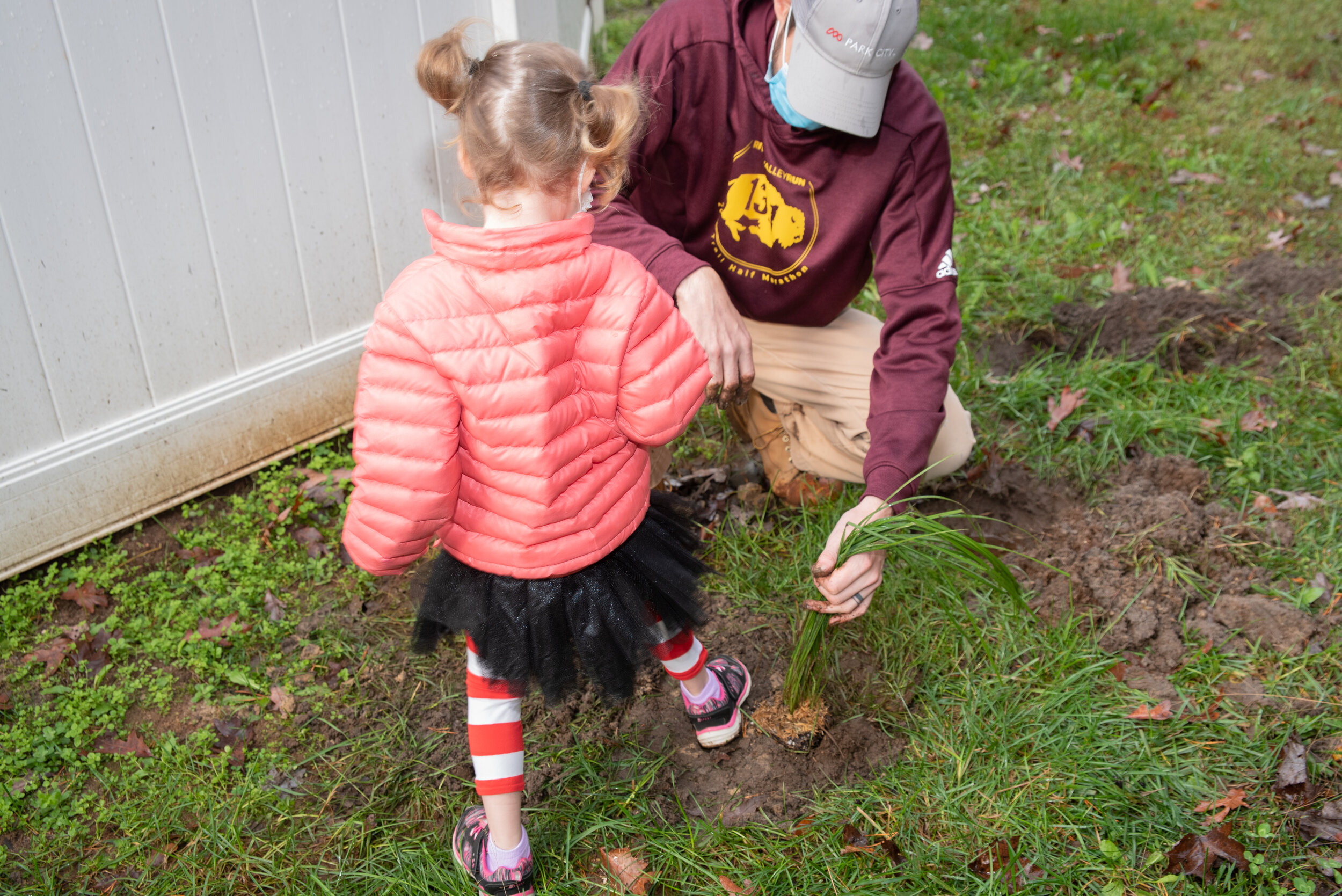
Steward Candidate Meghan Petenbrink completed her capstone project earlier this fall. Meghan and a small but mighty group of volunteers planted over 250 native perennials in a 750 sq ft rain garden at Jug Bay Wetlands Sanctuary!

Bringing new life to an old project

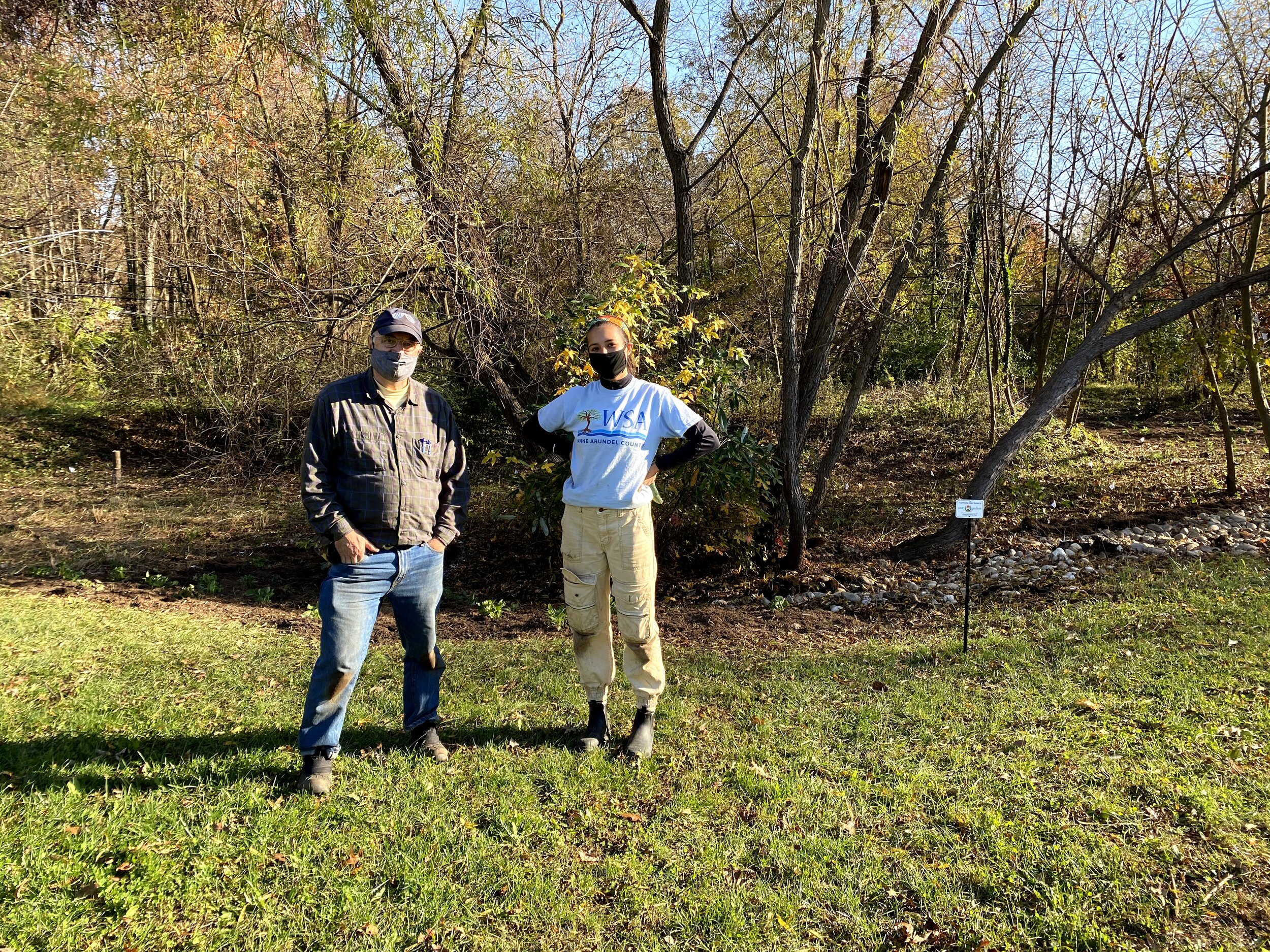
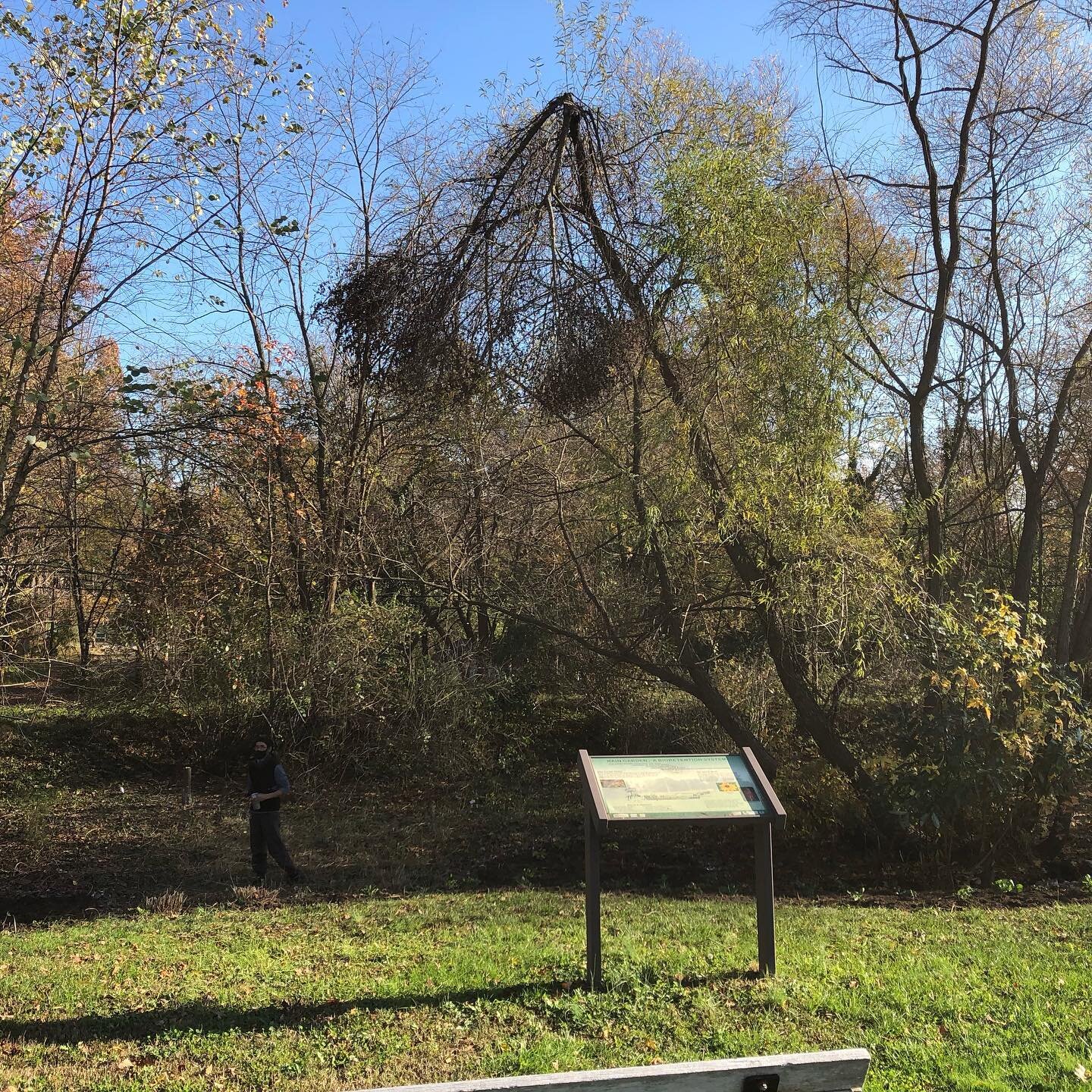
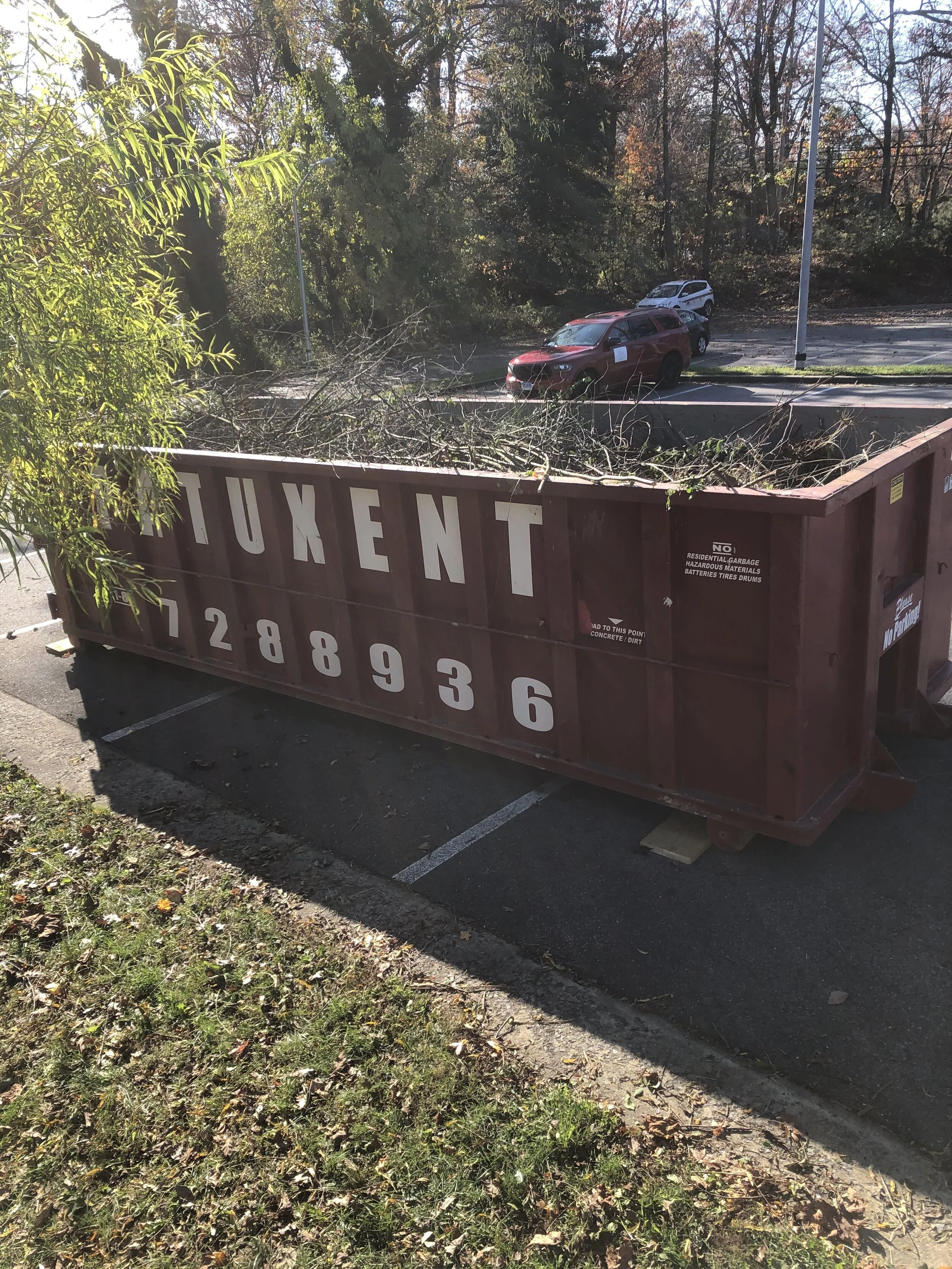
Class 12 Candidates Katrina Golladay and Jay Resnick collaborated to restore an abandoned bioretention project at the Eastport-Annapolis Library. Working with a crew of 16 volunteers, they filled nearly 180 13-gallon trash bags with invasive plants and litter before planting over 160 native perennials!

A Congregation Collaborates for clean Water

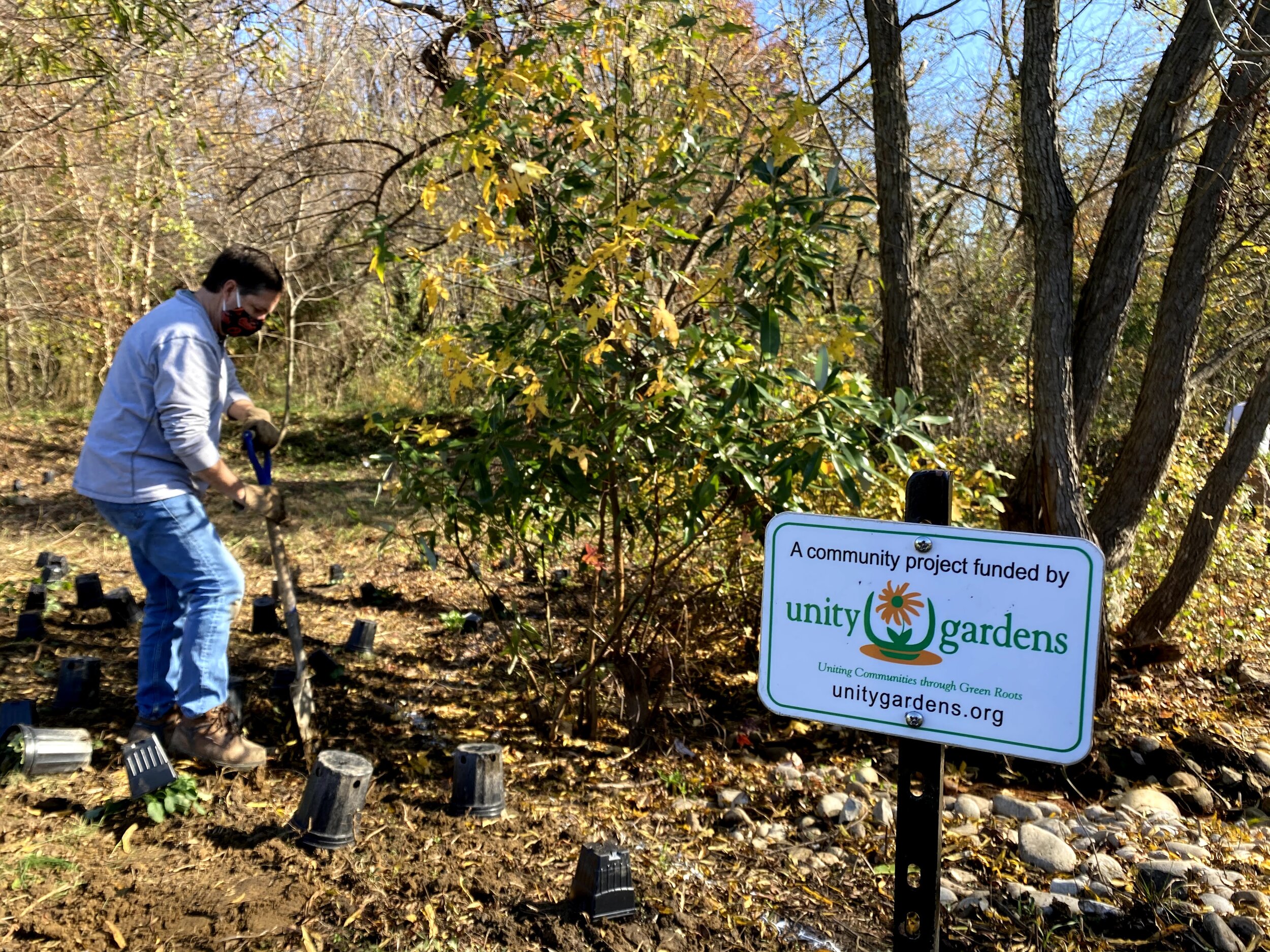
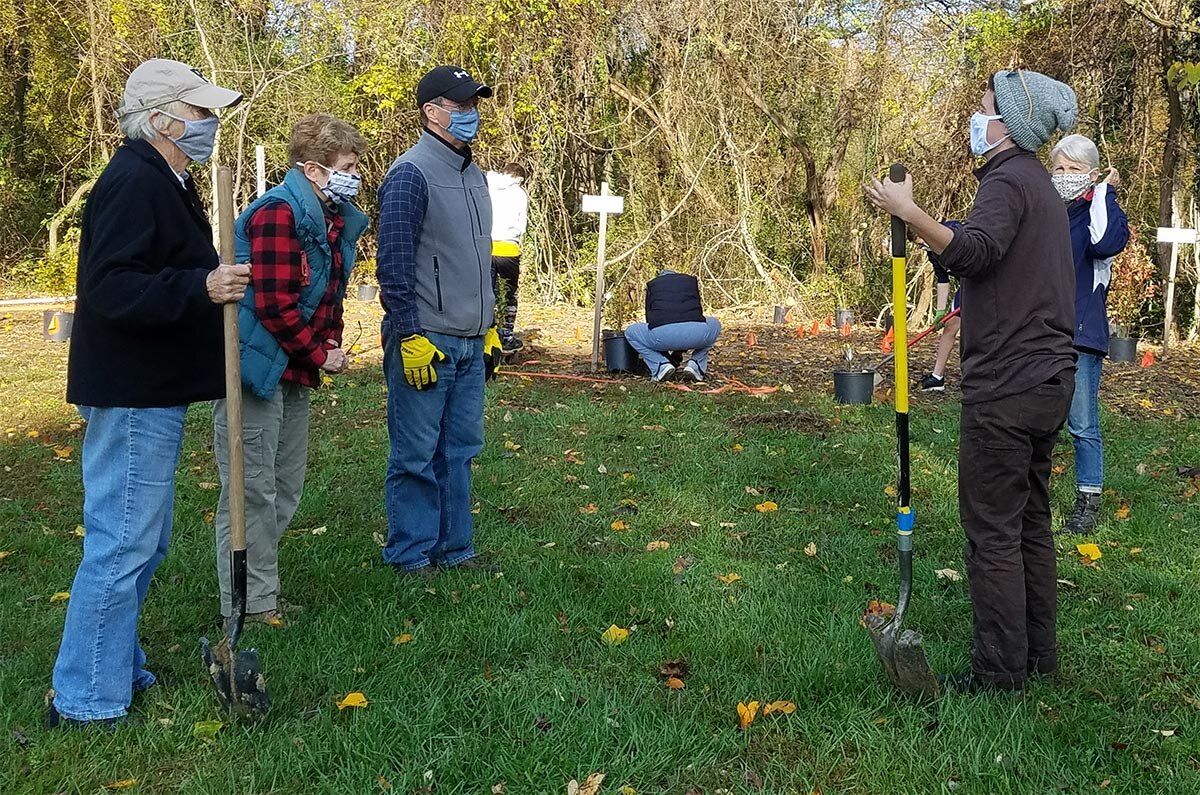
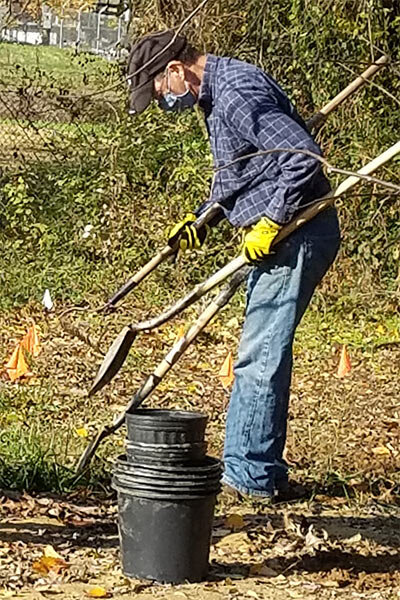
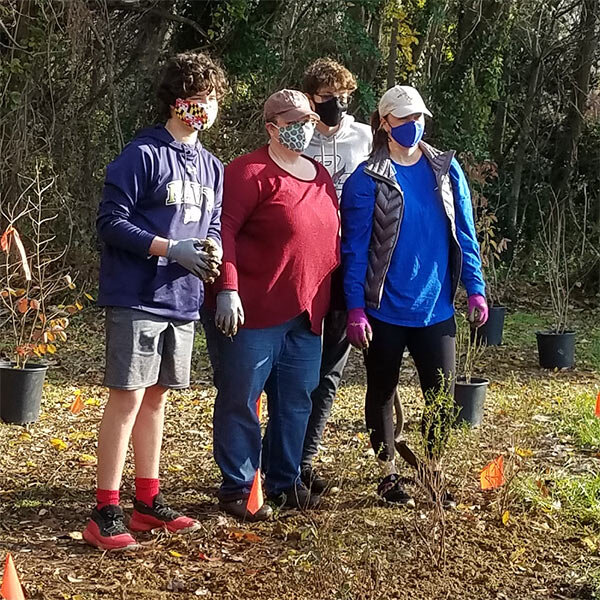
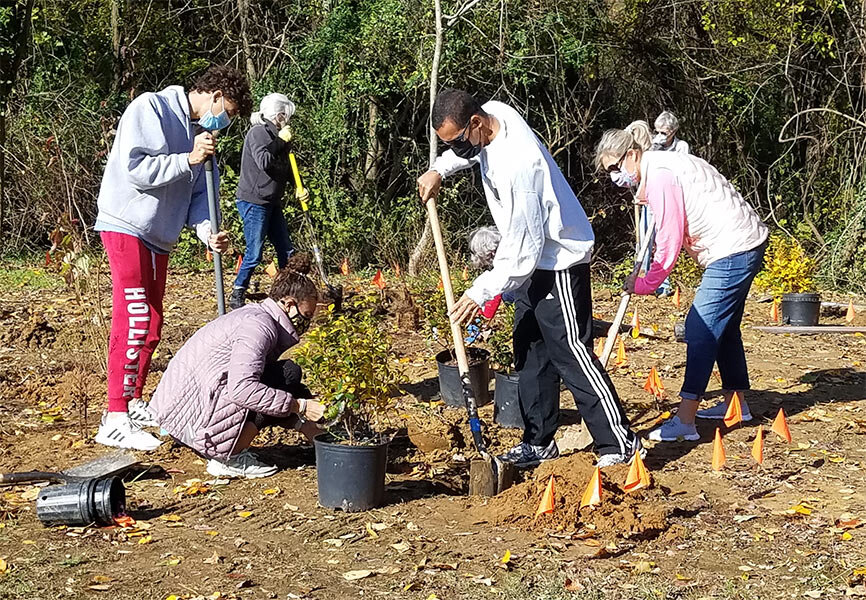
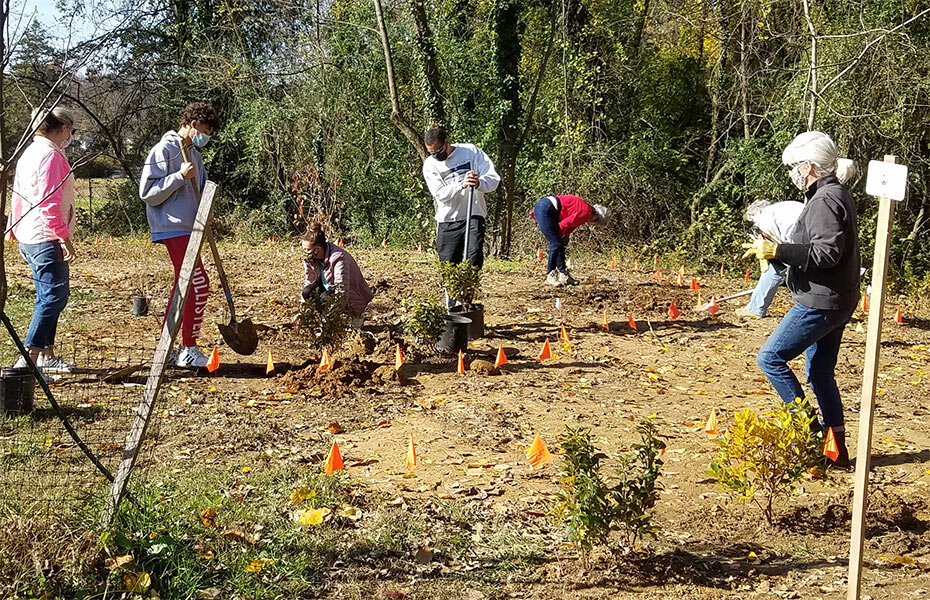
Together with 23 parish volunteers, Cathy Tengwall and Mary Smith planted 63 native shrubs at St. Andrew by the Bay. As part of the Creation Care Team, Cathy and Mary hope restoring the woodland edge will enable the parish to use the space for meditation and education.

Stormwater Success 201

Steve Miller, an experienced HOA Board President, created an advanced version of our Stormwater Success course as his capstone project. This free, three-part seminar was a brand-new resource for HOA leaders and property managers, building upon information presented in the Stormwater Success course. A dedicated group of about 15 County residents participated, now ready to navigate stormwater issues take action in their own neighborhoods!

Inspiring the next generation of Environmental Stewards

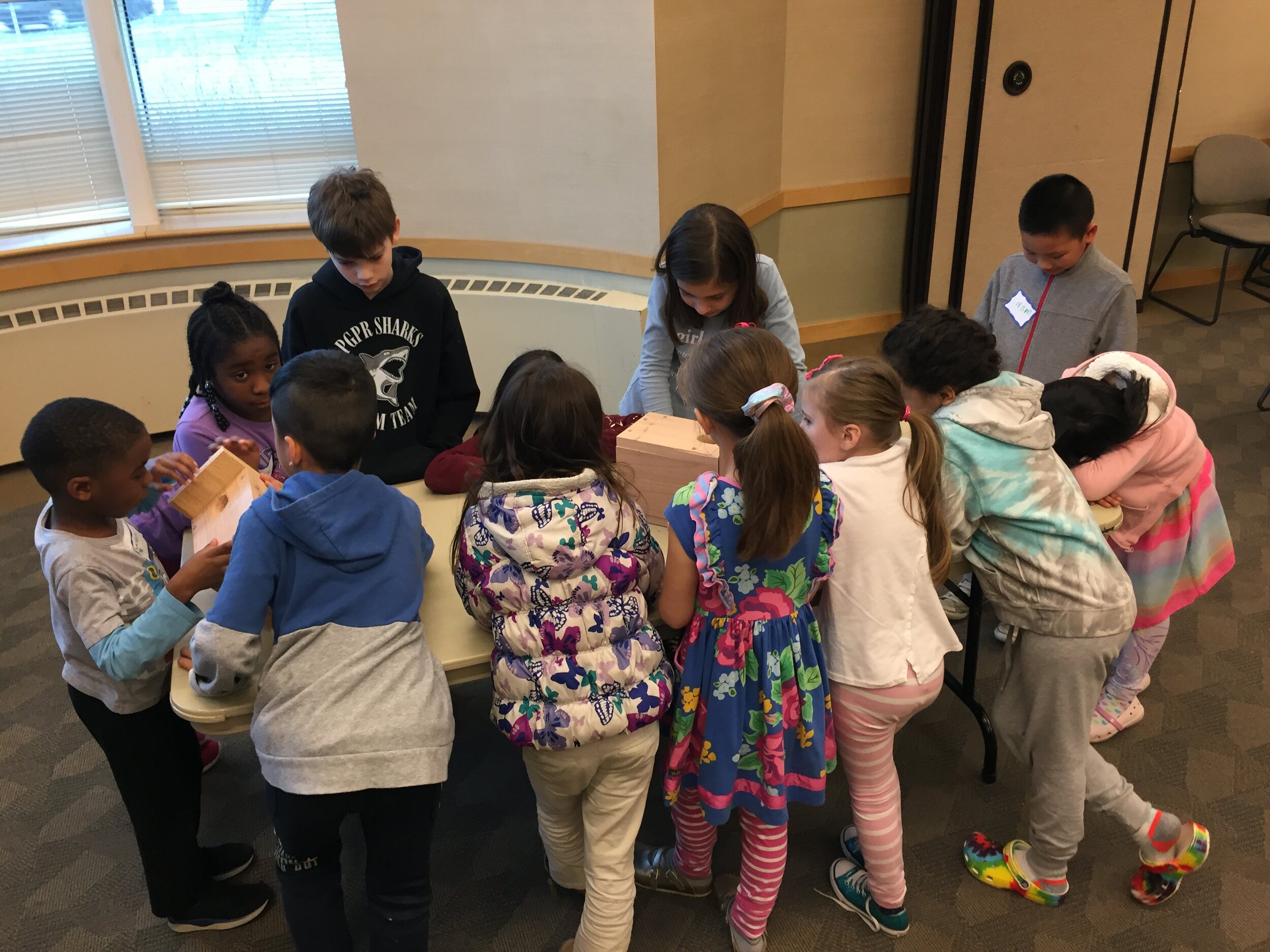
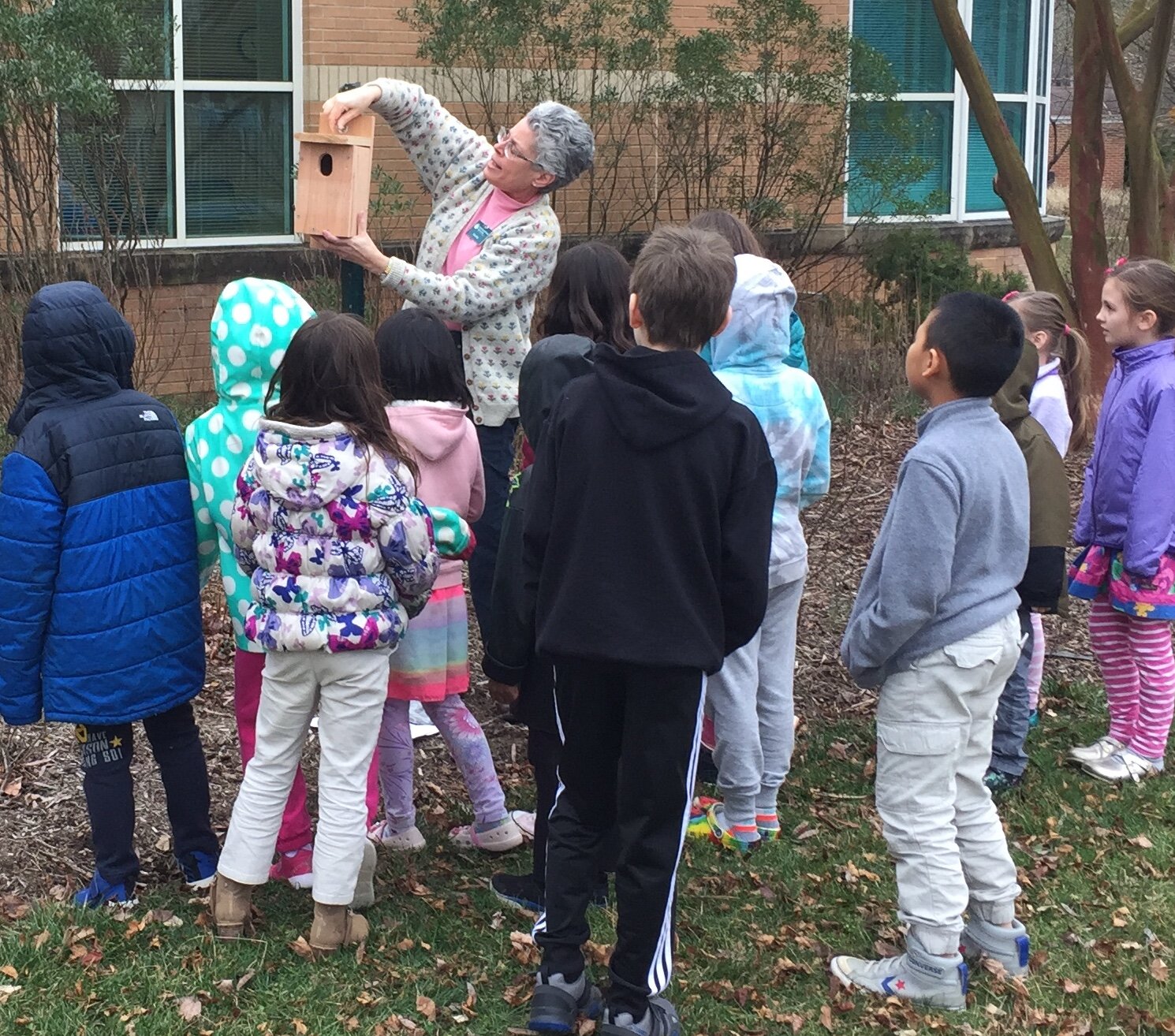
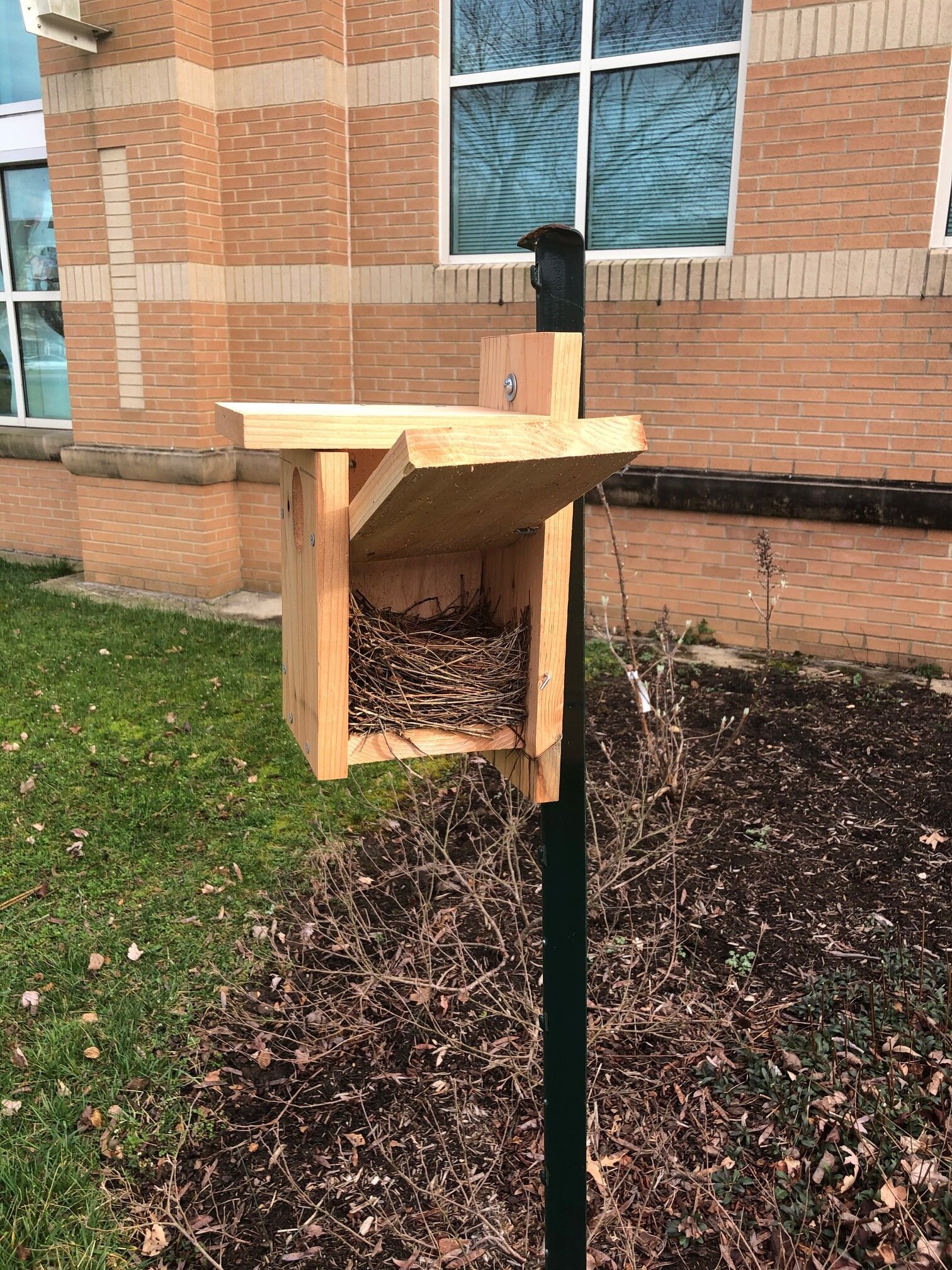
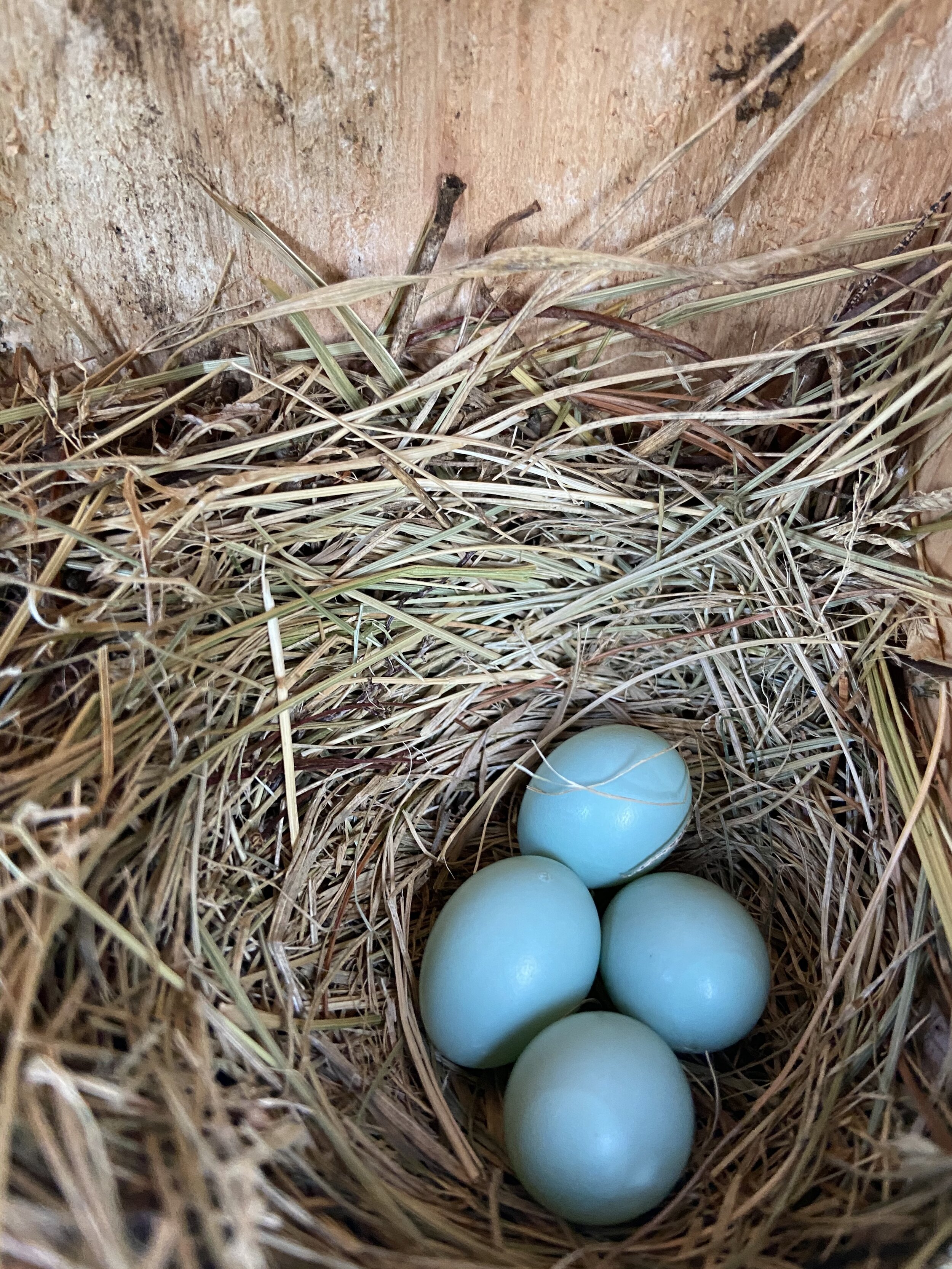
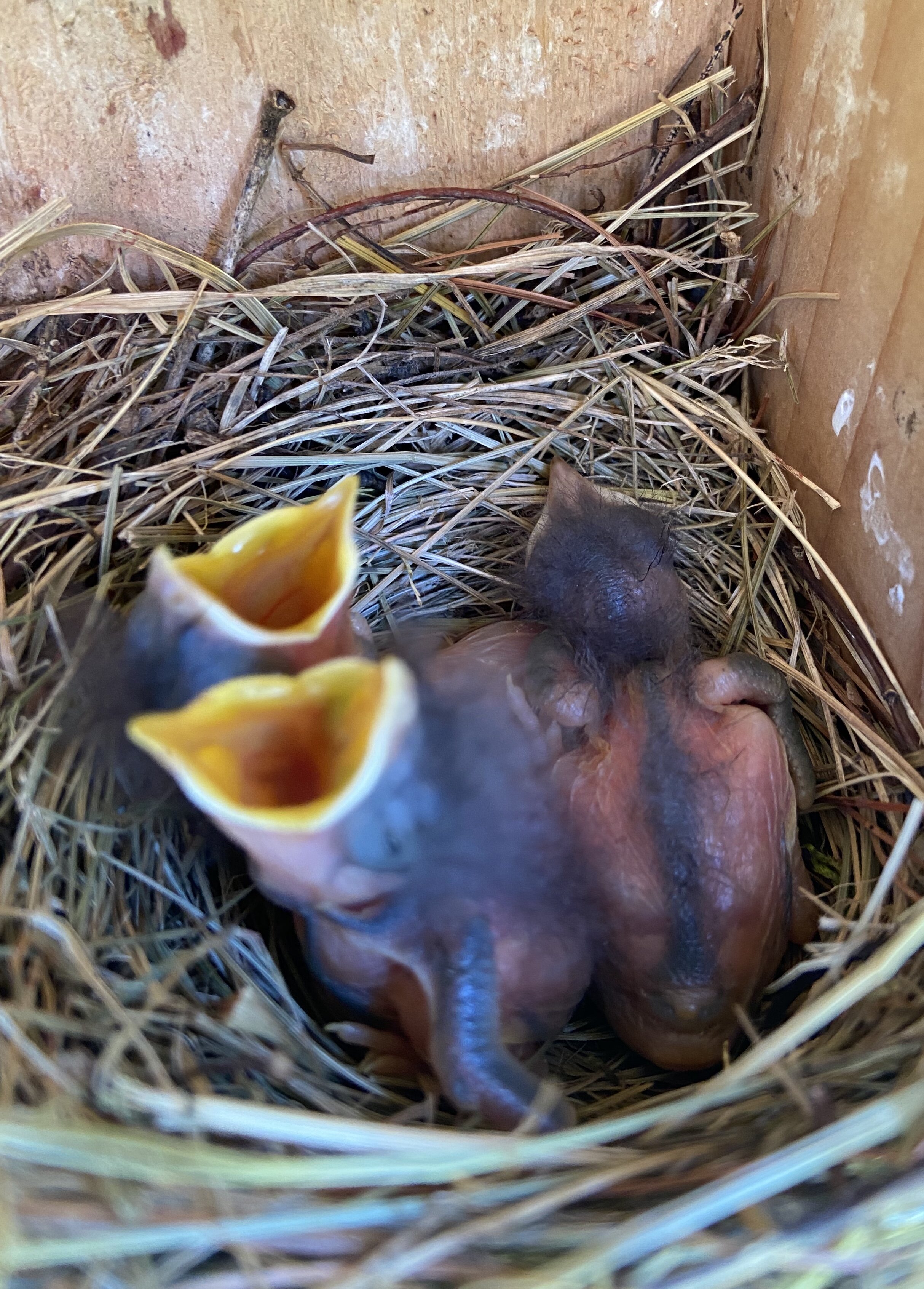
Martha Sykora connected with the Crofton Library Nature Explorers Club to teach students about the importance of birds in relation to the health of the environment. Focusing on bluebirds, Martha created activities to depict how the species is affected by the presence or absence of native plants and invasive plants, pollution from lawn products, and the benefits of conservation landscapes and trees.

Students were inspired to preserve or improve the preferred habitat for bluebirds, starting in their own backyards!

A Spooky Stormwater Solution in a Severn Subdivision

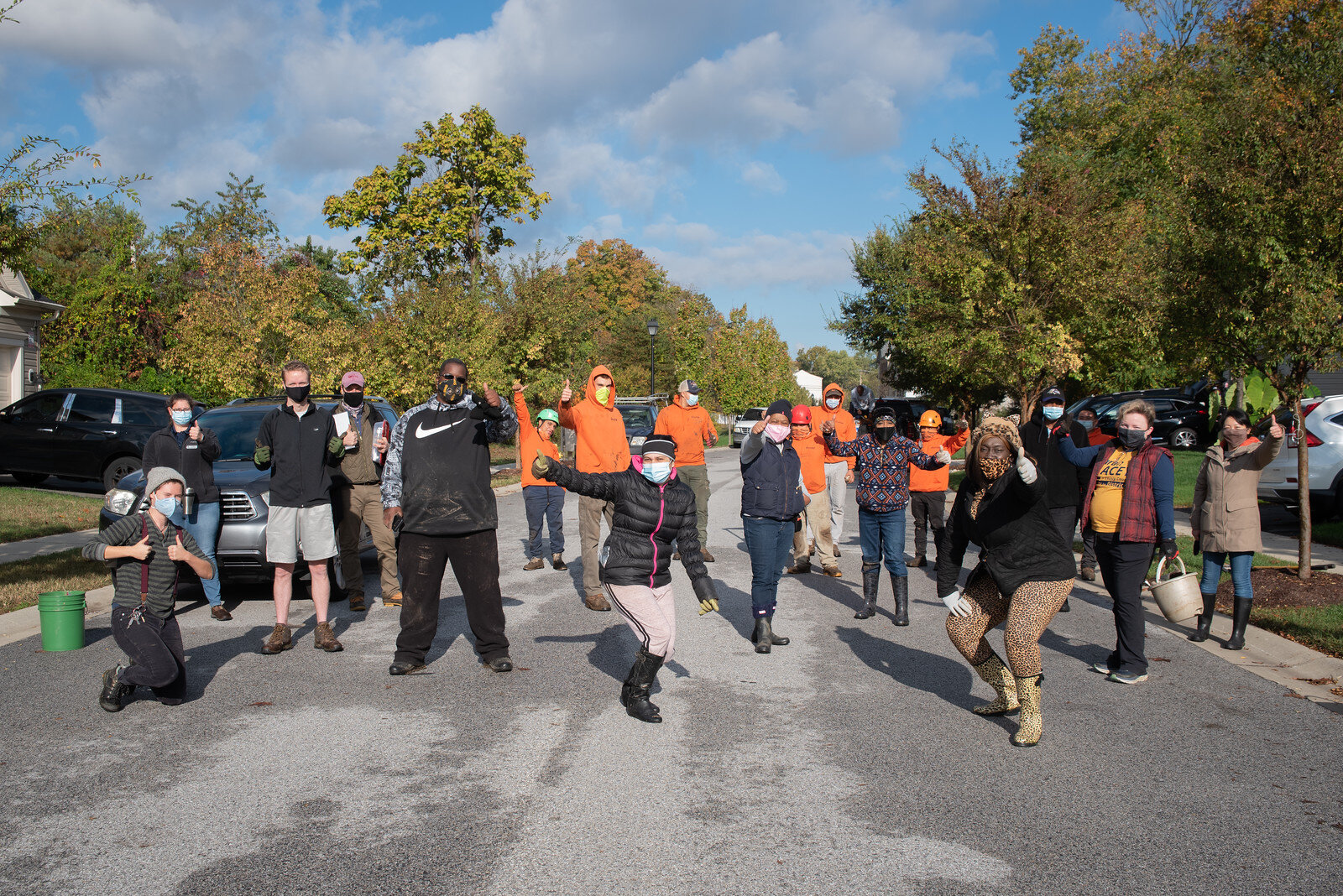
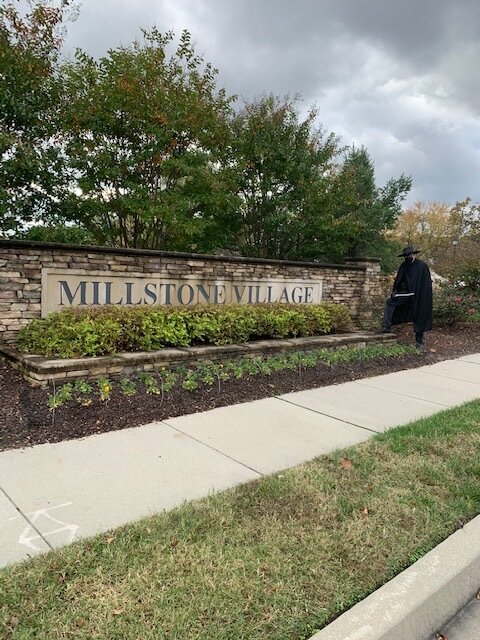
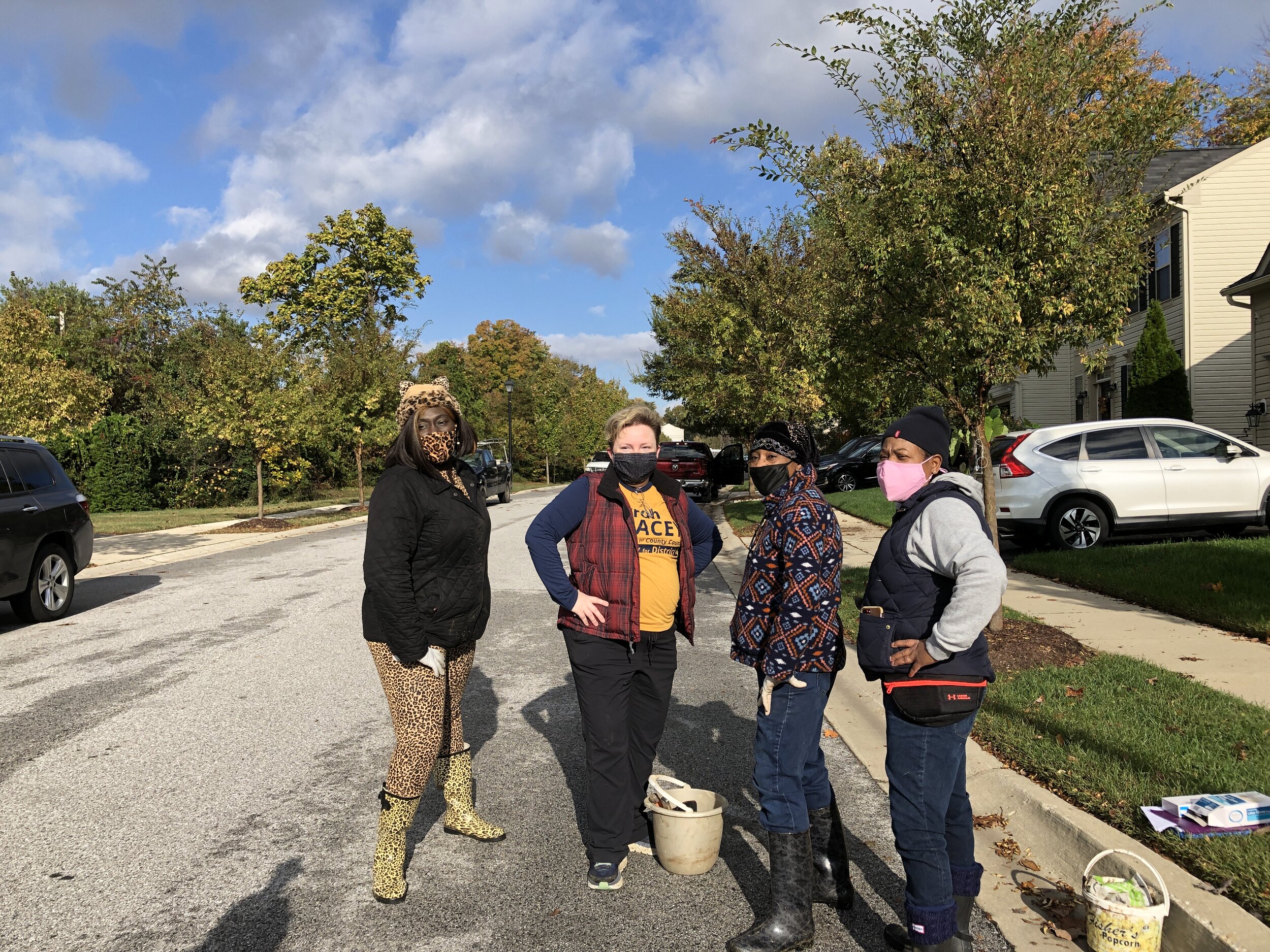
On Halloween, Rob Williams engaged his community of Millstone Village to remediate standing water issues in their neighborhood. By planting native perennials in a slow draining rain garden and nearby swale, the community will experience less standing water and fewer mosquitoes while beautifying the neighborhood!

This fall, leaf your impact on clean water!

Each year, many tons of leaves from our neighborhoods are blown or washed into local streams, clogging storm drains and releasing harmful nitrogen into the water. When leaves enter our waterways, they require 200% more oxygen to break down than on land. And, decaying leaves in our waterways block out sunlight, negatively impacting water quality and the health of aquatic life. But, you can do your part to help!

Leaves on hard surfaces: Removing leaves from hard surfaces, like driveways and sidewalks, helps to reduce pollution and harmful algae in our waterways.

Leaves on soft surfaces: As for the leaves in your yard and gardens, consider leaving or repurposing them to support native plants and animals. It really does make a difference!

WSA’s 3 Favorite Ways to Manage Leaves

Leave’em

If it is feasible, and not on impervious surfaces, it is best to leave your leaves on the ground! Raking up fallen leaves and sending them to the dump may be a normal autumn chore for most Americans, but this can be harmful to your local ecology and a waste of great nutrients in your lawn and garden.

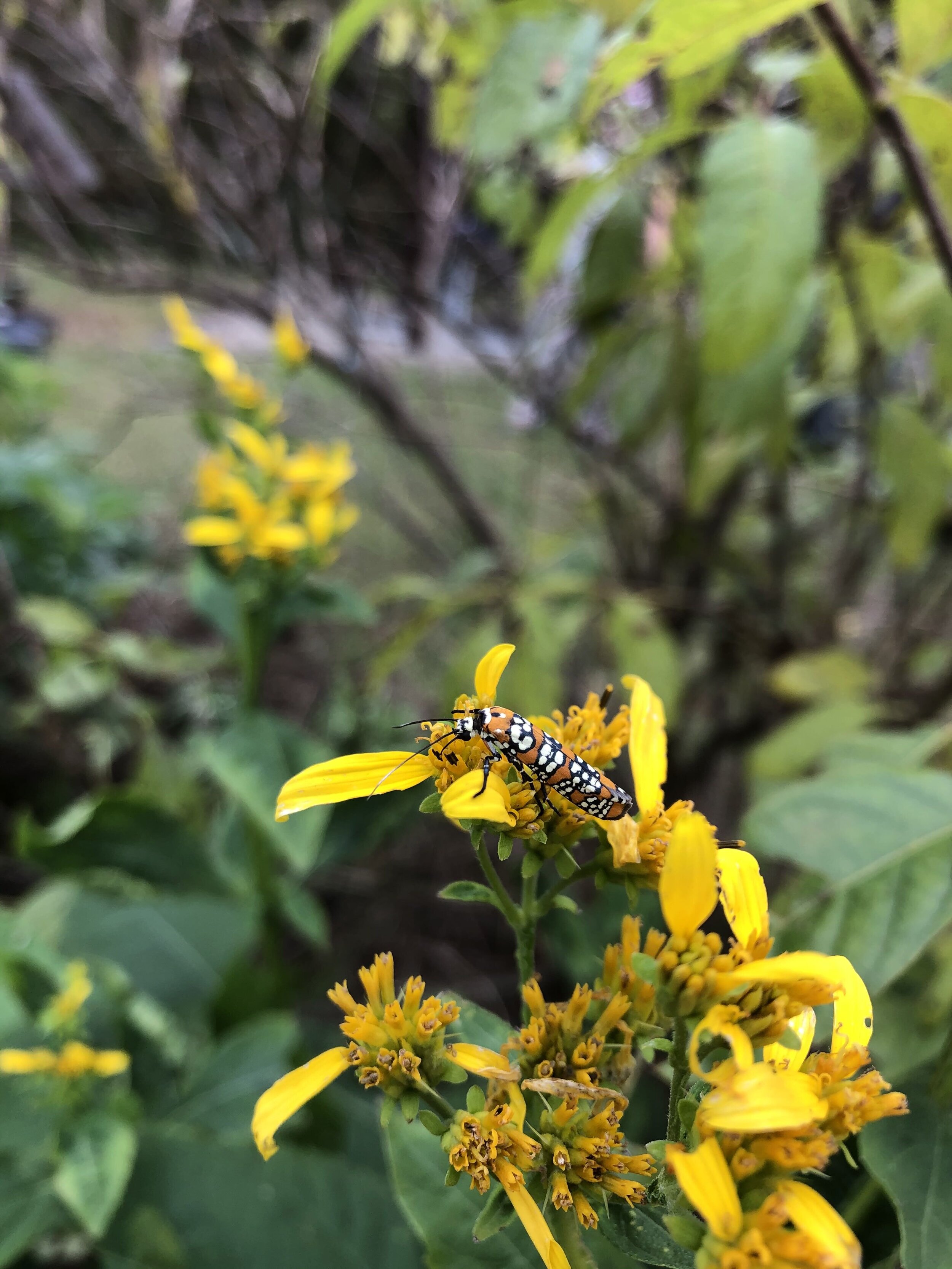
Removing leaves removes wildlife habitat. Animals ranging from insects to reptiles, to even mammals rely on leaf litter for food and shelter. Important pollinators like moths and butterflies overwinter in fallen leaves.

Leaves also form a natural mulch that helps suppress weeds and fertilizes soils as they break down; great for lawns and gardens!

If you must remove leaves from your lawn (or are afraid of smothering your grass), try these options:

Mulch’em

Based on research, mowing leaves into the lawn as they fall has been proven to improve the conditions of grass. The decomposed leaves will release nitrogen and phosphorus into the soil, the same nutrients in fertilizer typically applied in the fall. Set your mower to a 4” height and mow weekly.  Leaves shred more efficiently with residual light morning dew. Visually inspect in the spring, and you will notice a pleasant difference.

You can also move your leaves to your garden mulch beds and use them as natural mulch! After a few rainstorms, the leaves will flatten and become a dark bronze color mulch that inhibits weed growth but allows perennials to emerge in the spring.

Compost’em

If you really want to have tidy, clean lawn and garden beds, consider composting your leaves on site instead of throwing them away. Here is a great article about the best steps to compost your leaves!

Top 10 Reasons to be a leaf leader this Fall!

10. It’s good exercise

9.  Spend quality time with your kids outside

8. Make an impact in your neighborhood: lead by example and your community will follow suit

7. Keep your creek clean. Each year, tons of leaves from our communities contribute to dead zones in our waterways

6. Leaves cleared from the streets prevent injury and accidents

5. Protect your local wildlife. Insects, birds and small mammals rely on leaf litter for food, shelter and nesting material

4. Your azaleas, camellias, and rhododendrons thrive with shredded organic leaf humus

3. Enhances clay or sandy soil and introduces beneficial microorganisms to the soil

2. Protects shrubs and perennials from extreme temperature changes

1. Because it’s easy, ecological and the right thing to do