
Take Action
CHECK OUT THESE SMALL ACTIONS You can take Throughout the year to MAKE A BIG DIFFERENCE!
Plan by season because certain actions work best at specific times of year!
🌱Spring |☀️Summer |🍂Fall |❄️Winter
Would you like to be more involved with sharing stewardship tips among Anne Arundel County communities? Contact Mandi (mandi@aawsa.org) to learn more.
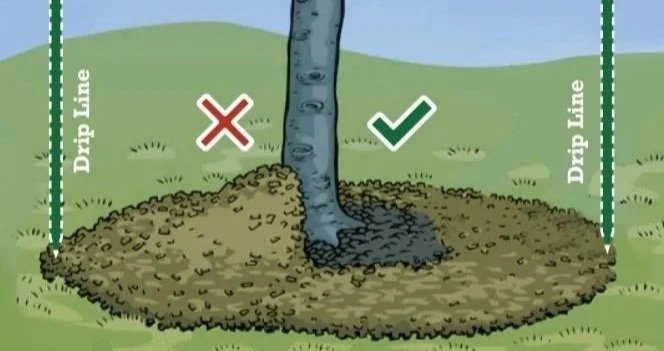
Mulch the Right Way
The mulch around a tree should look like a donut, not a volcano. Misapplying mulch can cause tree and plant problems, like root rot. Click the image and share the flyer with your neighbors and landscapers.
Educating others on proper mulch application can have big impacts! Check out our blog for a story about how a Steward’s knowledge and outreach led to change at the US Navy Stadium trail!
Season: 🌱🍂

the buzz on mosquito control
Mosquito spraying kills bees, butterflies, and other beneficial insects. Worse? It’s not even the best way to reduce mosquitoes in your yard. Click the image to learn more and consider sharing our flyer with neighbors and friends!
Season: 🌱☀️🍂
-
Opt Out of Spraying!Complete this quick form to have your property excluded from mosquito spraying.
Bee Safe Mosquito Control is a local business that offers a no-spray mosquito service focused on safer practices.
Biogents Mosquito Traps. This innovative company offers mosquito traps as an alternative to spraying. It is used by WHO and the CDC to control Dengue and other diseases transmitted by mosquitos.
Lemon Eucalyptus Oil. Studies have shown this plant-based ingredient is an effective mosquito repellant.
Use a fan! Mosquitoes are weak flyers, so setting up a fan nearby will prevent them from landing on you!
Make a "Bucket of Doom". Originally developed by Doug Tallamy, the Bucket of Doom attracts mosquitoes to lay their eggs, then stops the larvae before they become biting adults.
How to make a Bucket of Doom
Fill a black or dark-colored bucket (2–47 liters) partway with water.
Add organic matter, such as white oak leaves, bamboo leaves, or a small amount of yeast, to attract mosquitoes.
Add about ¼ of a BTI mosquito dunk to kill mosquito larvae.
Place a stick in the bucket or cover it with chicken wire to keep small animals safe.
Set the bucket in a shady location. You can use multiple buckets if needed.
Replace most of the water and the BTI dunk about once a month.
Optional: Attach a strip of cotton fabric or hardboard inside the bucket from top to bottom. This gives mosquito larvae a place to cling, making the bucket even more attractive for egg-laying before the larvae are eliminated.
Plant Native Plants
Native plants are the real MVPs of your yard. They’ve evolved with local birds, bees, and butterflies, so they provide exactly the food and habitat wildlife needs to survive and thrive. Unlike many non-native plants, they support the whole life cycle – from caterpillars to butterflies – not just a quick snack.
They’re also low maintenance once established, needing less water, fertilizer, and fuss because they’re built for our local climate. By planting native, you’re not just creating a beautiful space – you’re helping clean water, support wildlife, and make your yard part of a healthier, more resilient environment!
Season: 🌱🍂 (depends on the plant)
-
Check out our Wildflowers in a Weekend program each spring to order native plant kits, and our RePollinate program each fall for affordable native plants.
Explore this list of local retail nurseries that carry native plants.
Click here to find Native Plant Sales Around Maryland
-
Click on a list based on the amount of sunlight in the area where you’d like to plant:
Sun - 6 or more hours of direct sunlight per day
Partial Sun - 4 to 6 hours of direct sunlight per day
Shade - Less than 4 hours of direct sunlight per day
To explore a larger list of plants native to coastal Maryland, click here.
Not sure where to start in your yard? Request a site visit from the Native Plant Network! This growing group of Watershed Stewards loves native plants and can help you figure out what to plant and the best spots for it.
Here are some of our favorites:
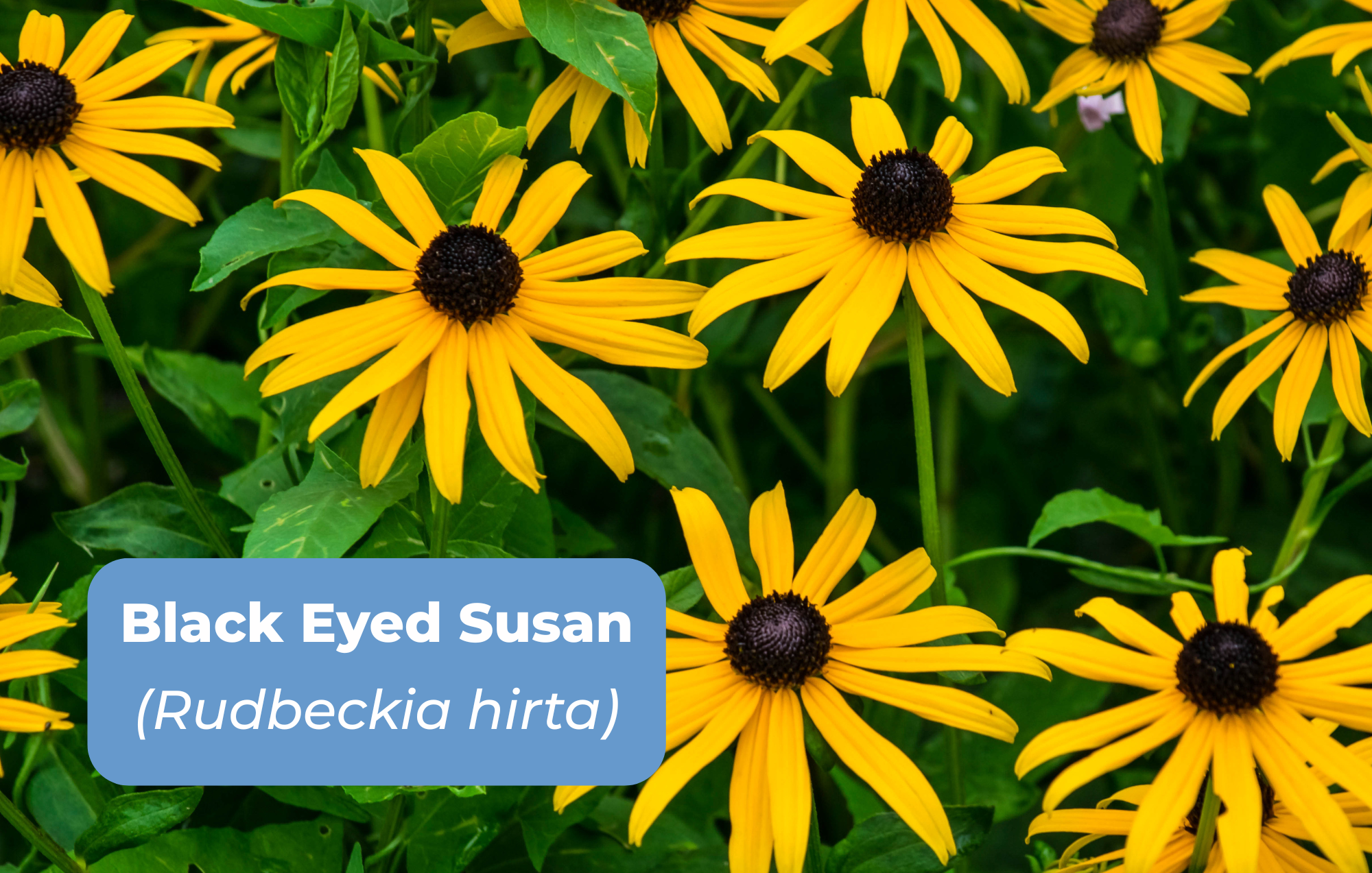
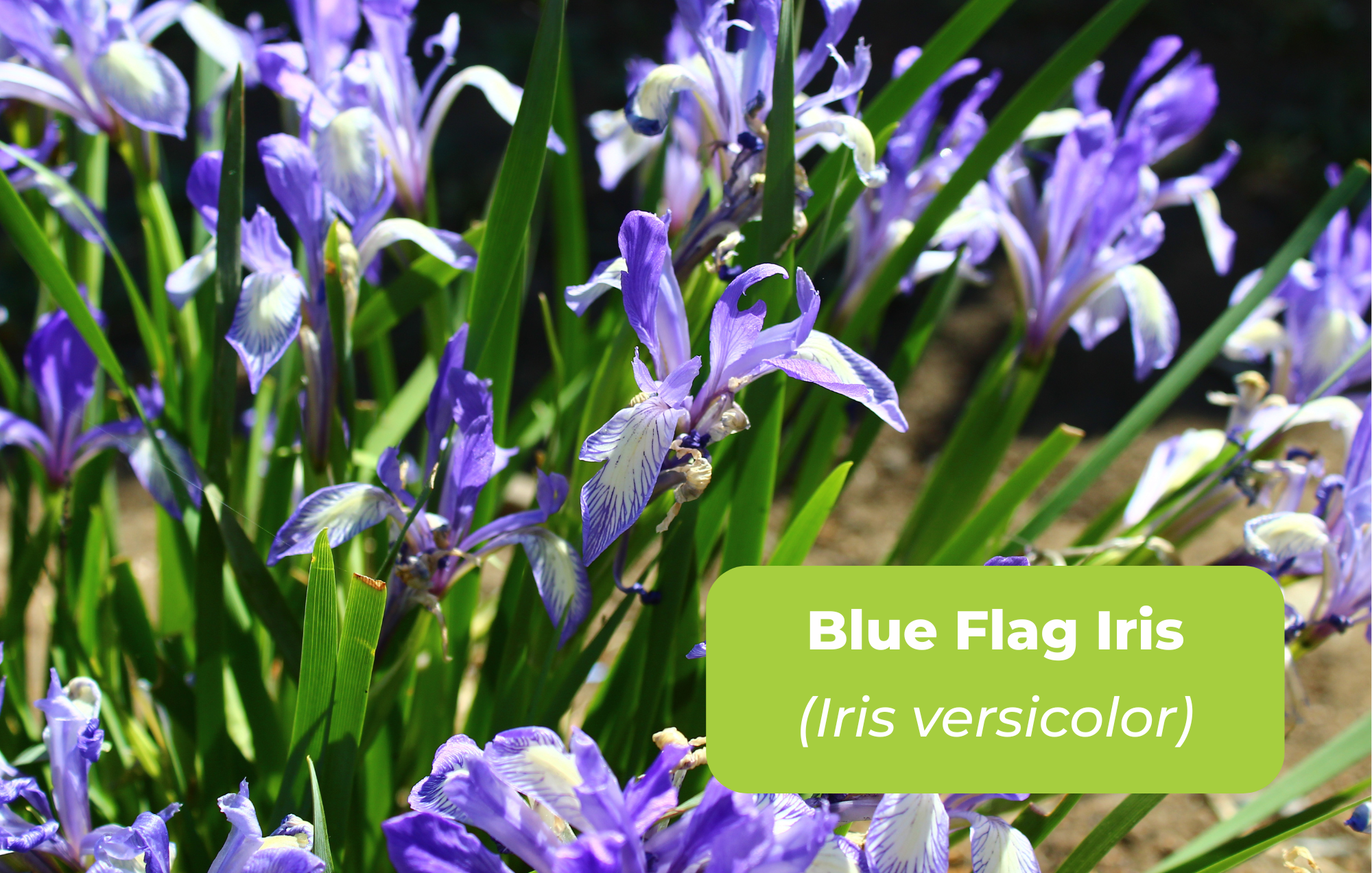
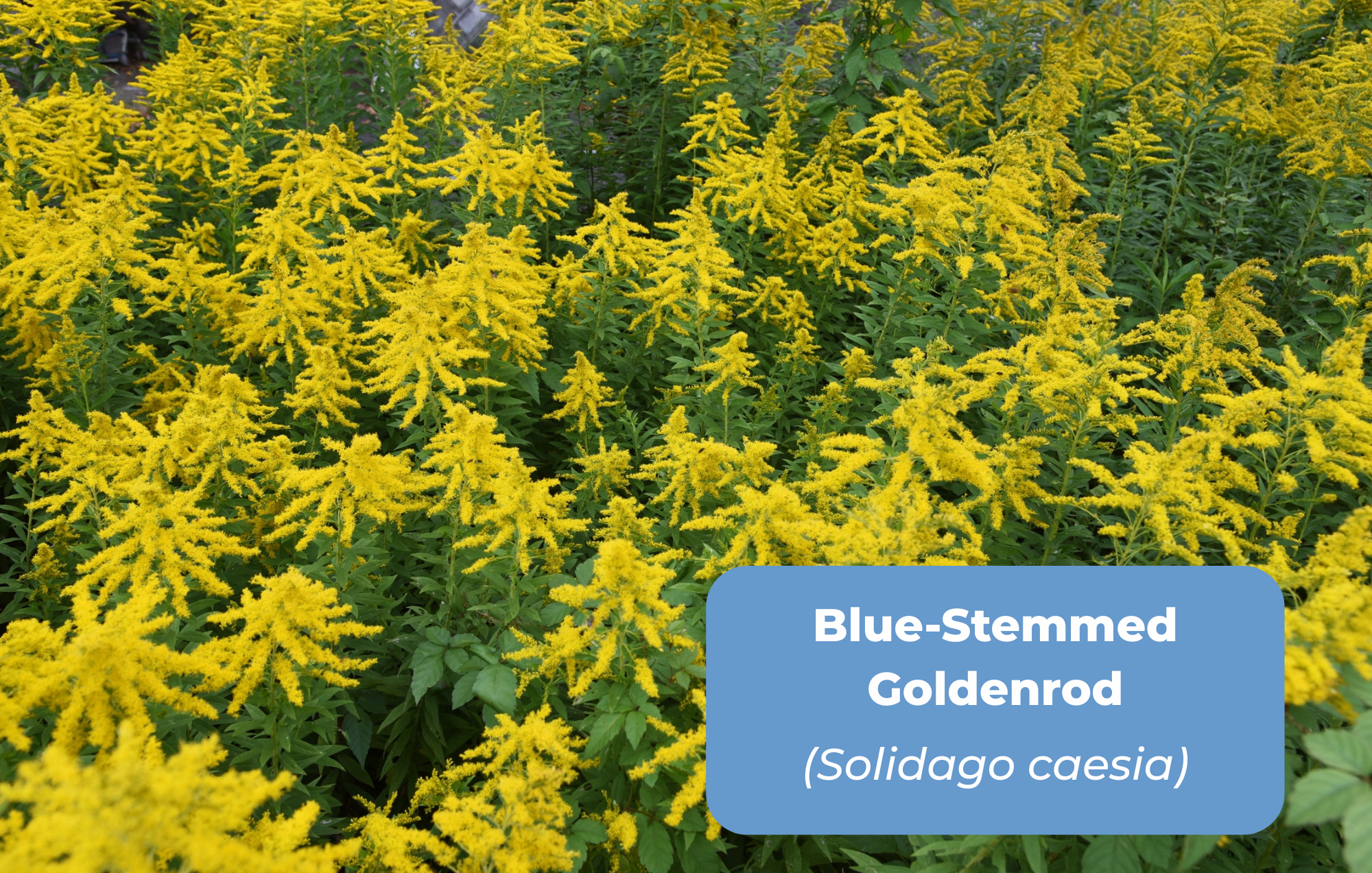
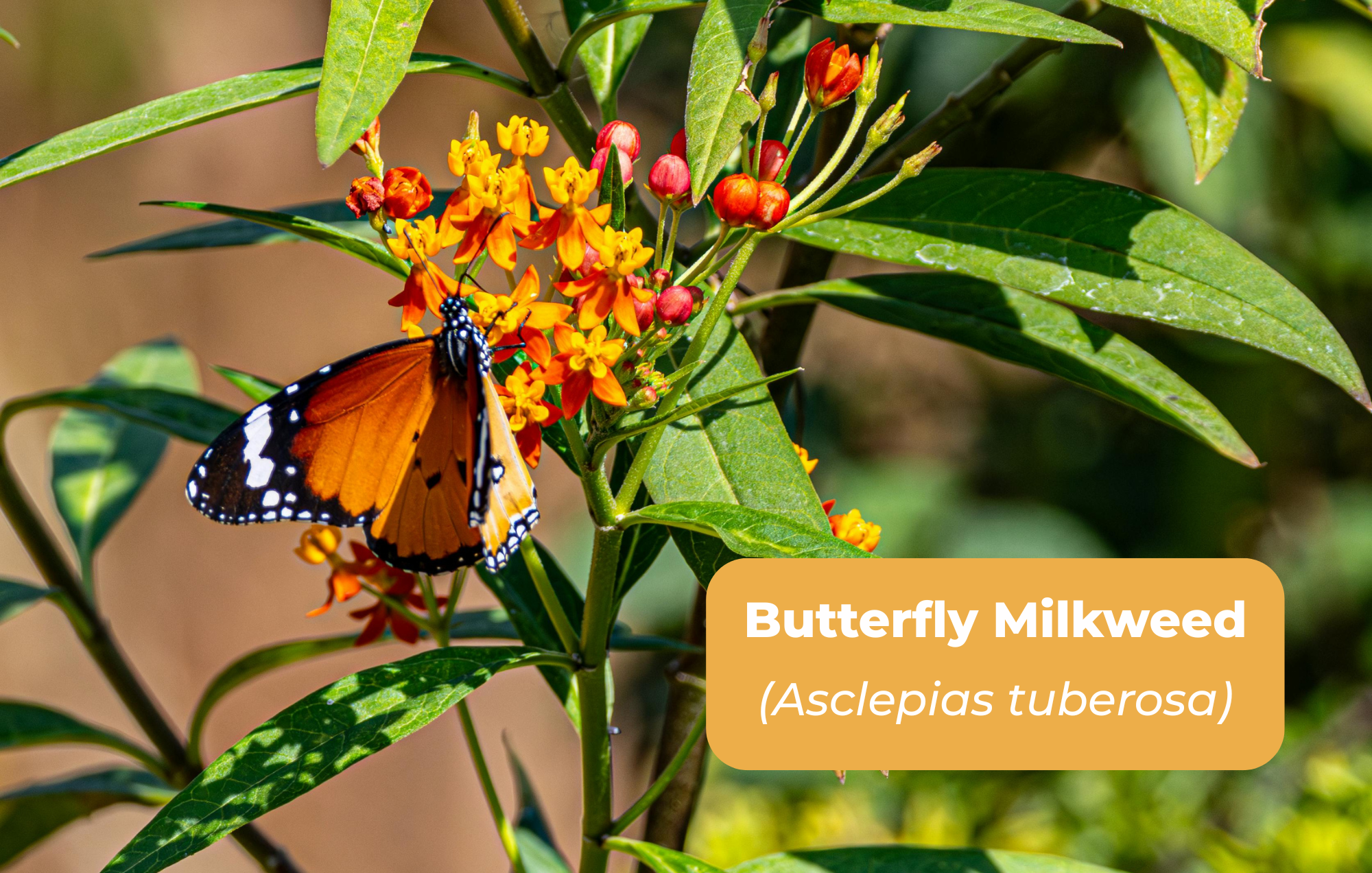
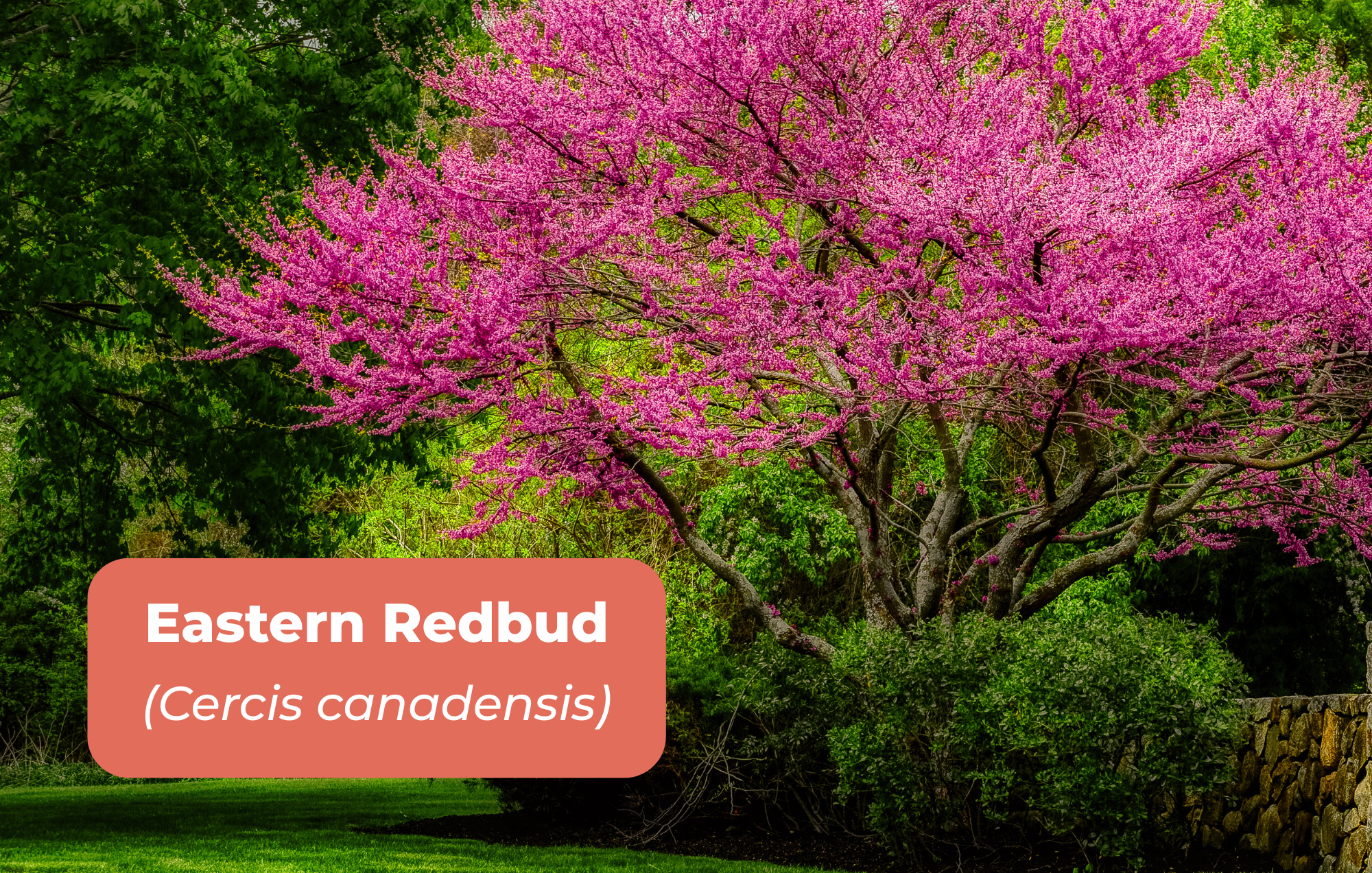
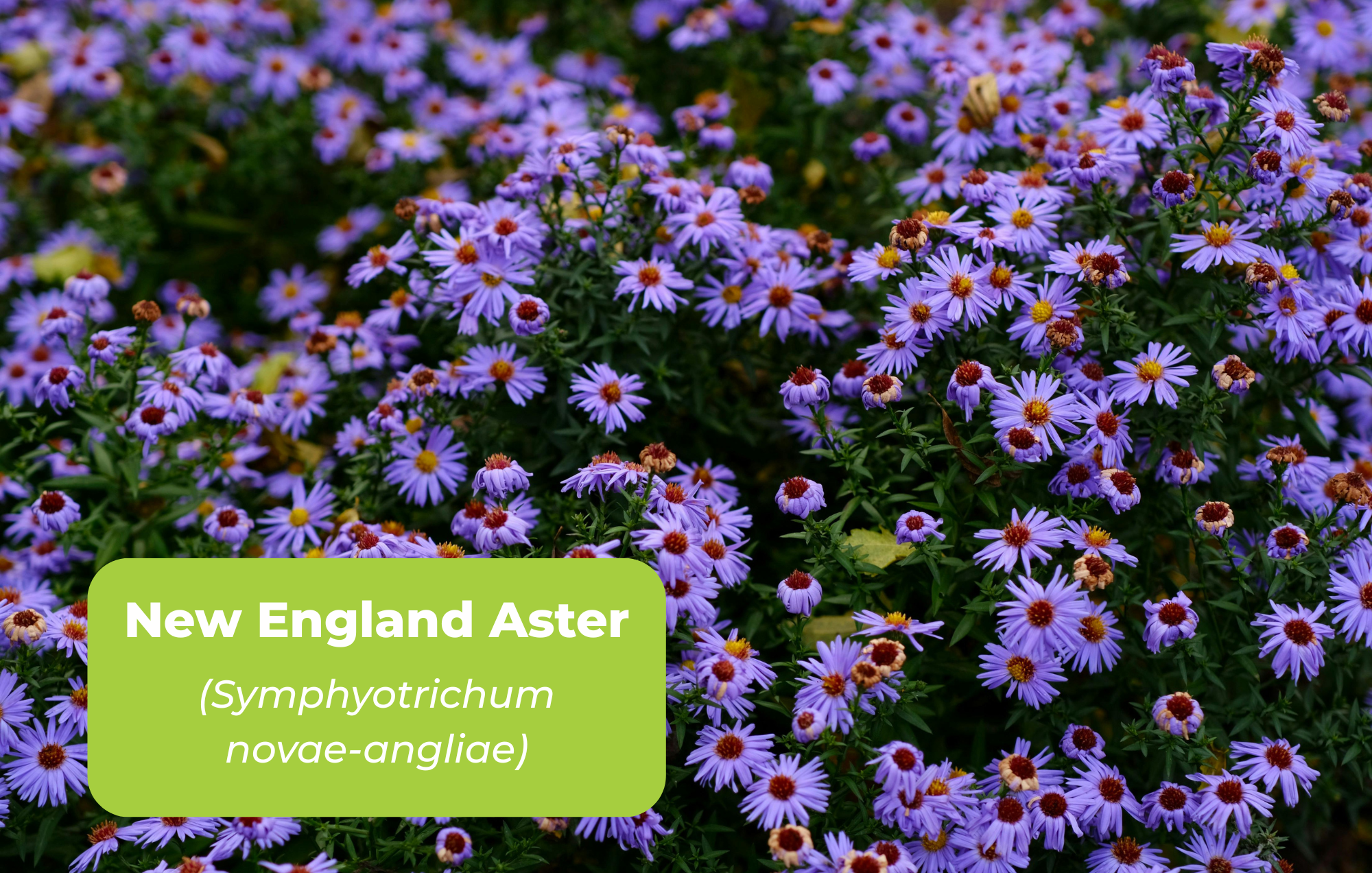
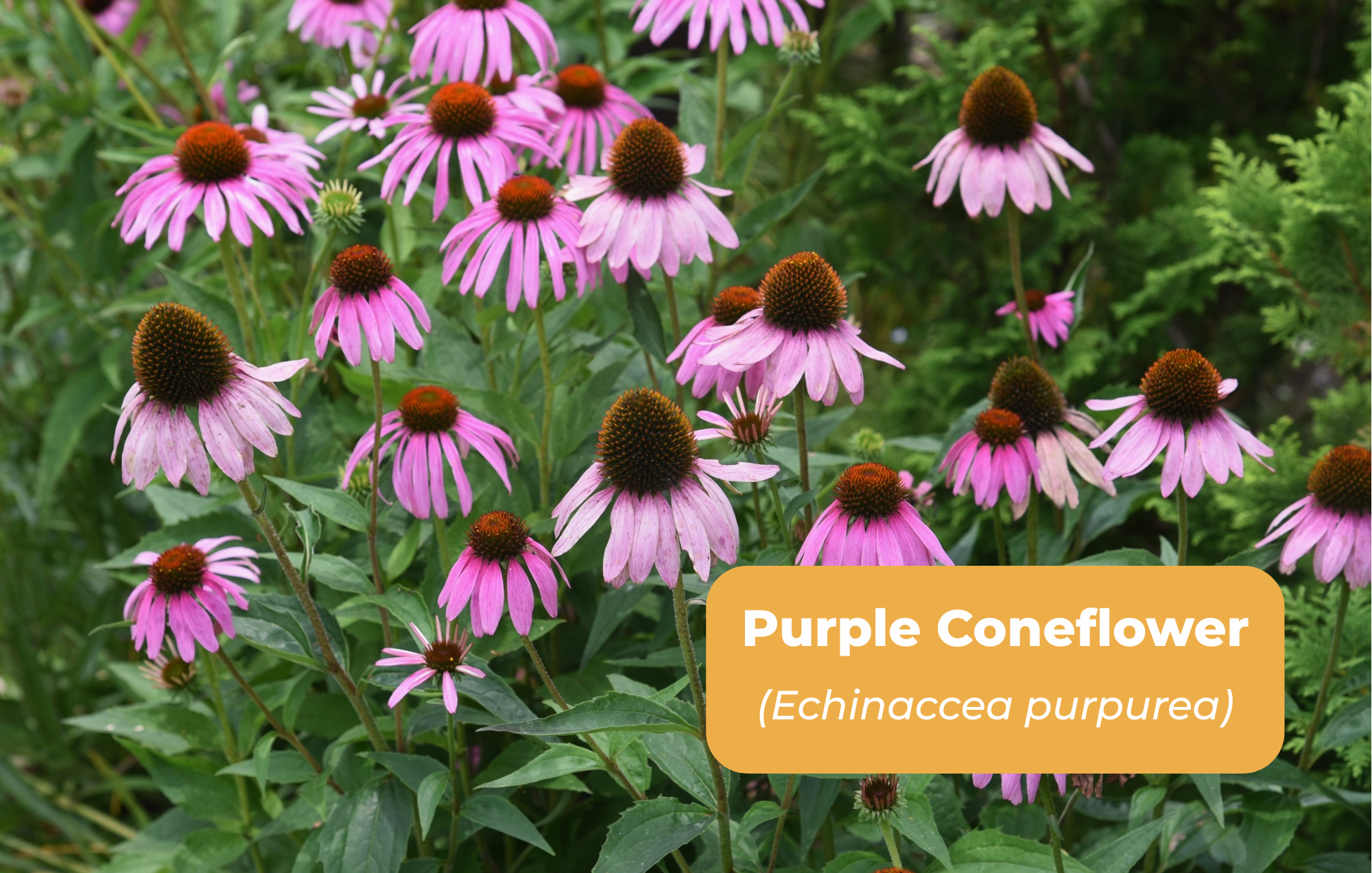
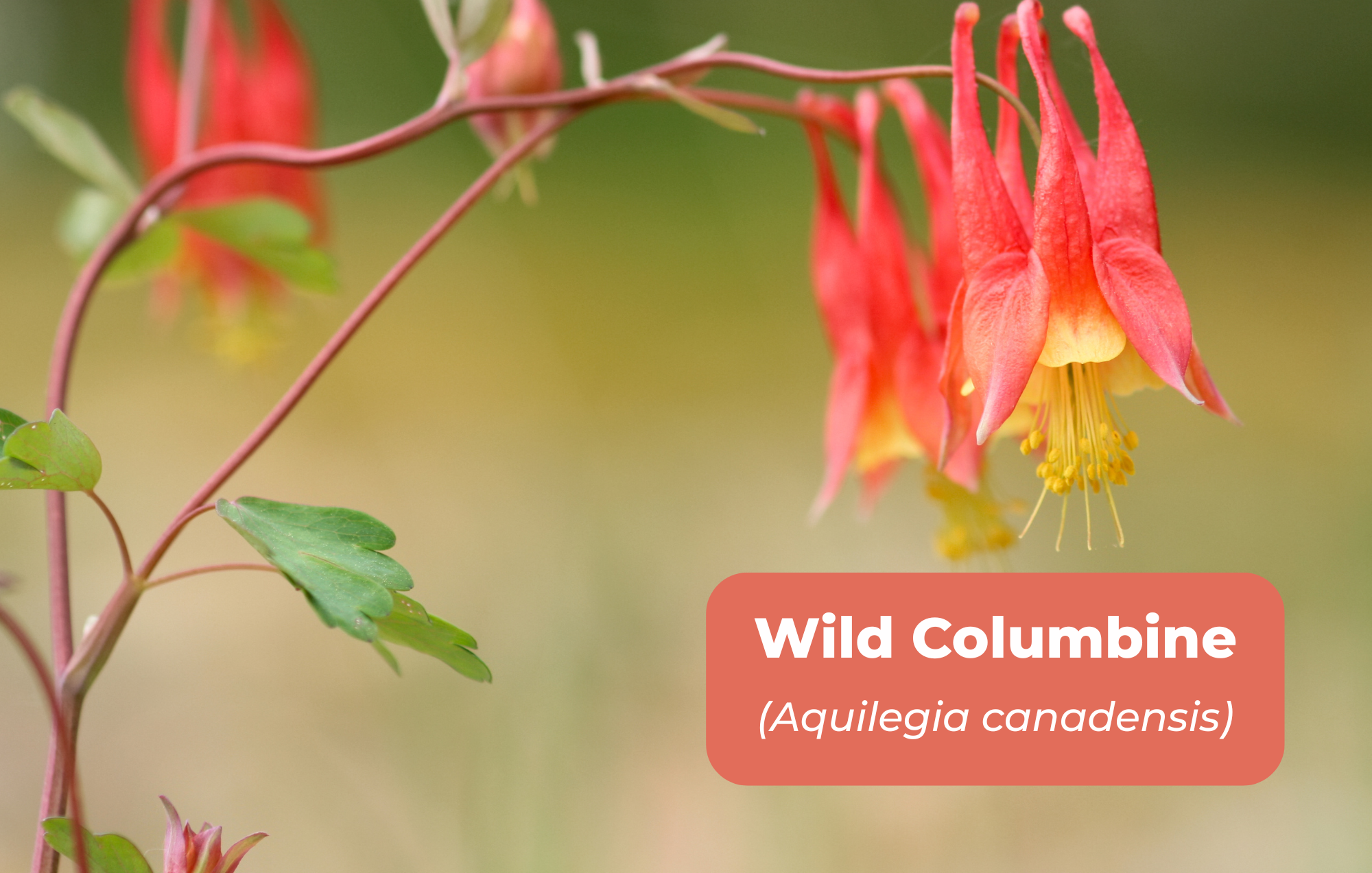
Bee A Hero and Protect Our Pollinators
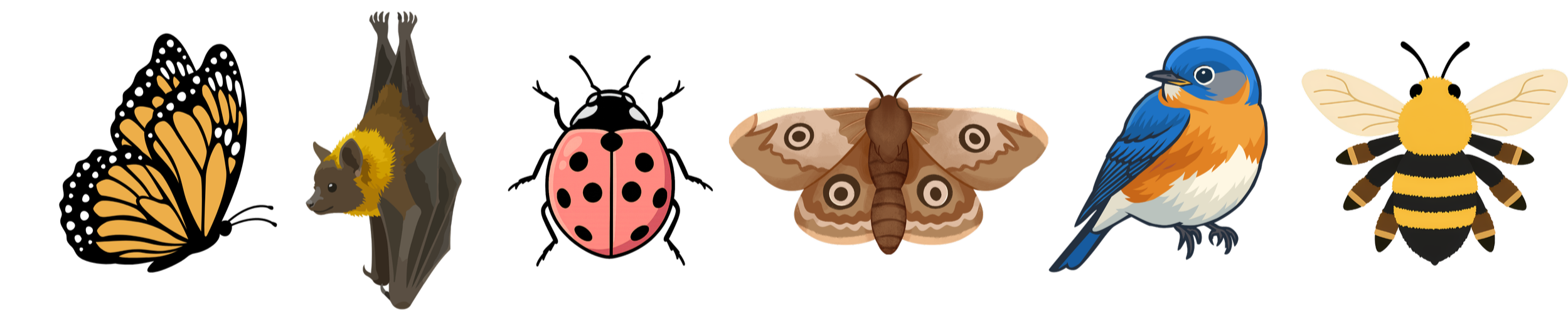
Pollinators like bees, butterflies, flies, and even some beetles play a crucial role in our food system and natural ecosystems. They help plants reproduce by moving pollen from flower to flower, which allows fruits, vegetables, and seeds to grow. Without pollinators, many of the foods we love – from apples and berries to squash and tomatoes – wouldn’t exist. Supporting pollinators with native plants and pesticide-free habitats keeps our gardens, farms, and local wildlife thriving.
For ways to protect pollinators, explore these sections: “Plant Native Plants,” “Leave the Leaves,” and “The Buzz on Mosquito Control.”
Host plants are just as important because they provide a place for butterflies and moths to lay their eggs and for caterpillars to grow. By including both nectar and host plants in your garden, you’re supporting pollinators through every stage of their life cycle.
For more resources on pollinator gardens, click here.
Season: 🌱🍂❄️
What to do about Invasive Plants
An invasive plant is a non-native species that spreads aggressively and causes harm to local ecosystems. It outcompetes native plants, disrupts wildlife habitat, and can alter soil, water, or natural processes. Different invasive plants require different removal methods and timing. To be effective, it’s important to research each species before starting, as some may need cutting, digging, or other specific techniques at certain times of year to prevent regrowth and protect surrounding native plants.
Note: All invasive plants are native somewhere - just like our native plants can be invasive in other parts of the world. Problems arise when a plant is introduced into the wrong environment, where local conditions and the lack of natural controls allow it to spread aggressively and cause harm.
Season: 🌱🍂❄️ (depends on the plant)
-
Oriental Bittersweet
How to Identify: A fast-growing, twining vine with round leaves and eye-catching yellow-orange berries in fall. It climbs and strangles trees, often pulling them down over time.
When to Remove: Anytime but ideally before berries drop and spread in the fall.
How to Remove: Pull up saplings by hand when the soil is moist. For mature vines, cut the vine at the base and treat the stump to prevent resprouting. Always remove and dispose of berries in the trash (instead of yard waste) to prevent spreading.
After Removal: Monitor the area for at least one full growing season, as roots can resprout. Once regrowth slows, replant with native plants to prevent reinvasion.
English Ivy
How to Identify: An evergreen vine with shiny, dark green leaves (3-5 lobes) that forms thick ground mats or climbs trees and buildings.
When to Remove: Anytime of year, especially when the soil is moist and roots are easier to pull.
How to Remove: Pull ivy off the ground in sections, rolling it up like a carpet. For vines growing on trees, cut the vine at the base and make a second cut around chest height, then pull out the roots from the lower section. For larger vines, cut the stem and treat it right away while the cut is still fresh.
After Removal: Monitor for regrowth for several months, especially along edges. Replant once the ivy is fully gone - bare soil invites it right back.
Garlic Mustard
How to Identify: Round, toothed leaves that smell like garlic when crushed, with small white four-petaled flowers in spring.
When to Remove: Early spring, before flowering (focus on second-year plants first)
How to Remove: Pull second-year (flowering) plants by hand, making sure to get the root. First-year rosettes can be pulled in fall or early spring. Bag plants - don’t compost.
After Removal: Monitor the site for several years due to a long-lived seed bank. Replant with more aggressive natives (like golden ragwort or ostrich fern) once you see a significant reduction in seedlings.
Bush Honeysuckle
How to Identify: A shrub with hollow stems, early spring leaf-out, small white or yellow flowers, and bright red or orange berries later in the season.
When to Remove: Anytime but preferably before the berries ripen in late summer.
How to Remove: Pull small shrubs by hand. For larger plants, cut the stems close to the ground and treat the stump. Remove berries from the site to stop birds from spreading seeds.
After Removal: Expect resprouts - monitor closely for one to two growing seasons. Replant native shrubs once regrowth is controlled to shade out seedlings.
Japanese Stiltgrass
How to Identify: A delicate-looking, pale green grass with a silvery midrib that forms dense mats in shady areas.
When to Remove: Before August so it doesn’t seed.
How to Remove: Pull small to medium sized patches by hand. Consider having larger areas treated professionally.
After Removal: Monitor yearly - seeds can persist in the soil. Replant quickly with native grasses or groundcover once areas have been successfully reduced.
Privet
How to Identify: Dense shrubs with glossy green leaves in opposite pairs and clusters of small white flowers in spring.
When to Remove: Anytime but preferably before the berries ripen in late summer.
How to Remove: Pull smaller shrubs. For mature shrubs, cut close to the ground and treat the stump to prevent regrowth.
After Removal: Monitor for resprouting over the next year. Once regrowth stops, replant with native plants to reclaim the space.
-
For more information and to get involved with English Ivy removal, check out our Save Our Trees program.
Become a Weed Warrior with our partners the Anne Arundel Weed Resistance!
-
For more information on invasive plants take a look at the resources listed below.
UMD Extension: Invasive Herbaceous Plants
UMD Extension: Invasive Woody Plants
ECO-FRIENDLY Lawn Care
Taking care of your lawn in an environmentally friendly way helps reduce pollution, protect waterways, and create healthy habitat for wildlife. Simple practices like mowing less frequently, leaving grass clippings on the lawn, and minimizing chemical fertilizers or pesticides can make a big difference. Choosing native grasses or mixes with clover and other low-maintenance plants can reduce water use and support pollinators. By adopting green lawn care practices, your yard can stay beautiful while helping the environment.
To dig deeper into environmentally friendly lawn care, click here.
Season: 🌱☀️🍂
-
Fertilize Only When Needed
Test your soil and follow nutrient and pH guidelines. If needed, remember to “Fertilize in Fall, if at All,” since spring fertilizing can weaken lawns and promote weeds.
Don’t apply fertilizer to frozen ground, hard surfaces, near waterways, or before heavy rain, and always use the recommended amount.
Manage Pests and Weeds
Use Integrated Pest Management to control weeds and insects responsibly. In many cases, maintaining a healthy lawn is the most effective way to prevent pest problems.
-
Mow High
Set your mower height to about 3 inches - mowing tall can reduce weeds by 50-80%. Mow less by converting part of your lawn to native plants or shrubs, which saves time and reduces pollution from gas-powered mowers.
Leave the Clippings
Grass clippings are 75-85% water, so leaving them on your lawn helps retain moisture and reduce watering. As they break down, they return valuable nutrients to the soil, providing up to 50% of your lawn’s fertilizer needs. A mulching mower can help spread clippings to naturally blend into your grass.
Reduce Watering
Most lawns in Maryland are tall fescue, a cool-season grass that naturally goes dormant and turns brown during the summer. Water only when necessary and do so slowly and deeply in the morning to encourage strong root growth.
-
Plant Native Plants
Look for spots in your yard that aren’t used often or where grass struggles to grow, and consider planting native plants there. Native plants need less maintenance because they’re adapted to Maryland’s soil and rainfall. For tips and ideas, check out the “Plant Native Plants” section above.
Leave the Leaves
Keeping fallen leaves in your yard lets them break down and add valuable nutrients to your soil. They also create important habitat for fireflies, whose larvae can spend years tucked safely in the leaf layer. Learn more in the “Leave the Leaves” section below.
Leave the Leaves
Did you leave your leaves this fall? If so, they are decomposing now, adding nutrients back into your soil. Not only that, but they are providing crucial habitat for many species of fireflies - some of whom spend years in their larval stage hiding in the safe, warm leaf layer! Learn more here
What about your perennial seeds and stems? If you let them bee, then pollinators and other beneficial insects are relying on them right now for shelter! Learn more about where they may be hiding here. If you want to cut them back, wait until it’s warmer, think above 70 for 7 days, and then cut growth back to 6-8 inches.
Season: 🌱🍂❄️
-
If it is feasible, and not on impervious surfaces, it is best to leave your leaves on the ground! Raking up fallen leaves and sending them to the County or City yard waste facility may be a normal autumn chore for most Americans, but this can be harmful to your local ecology and a waste of great nutrients in your lawn and garden.
Removing leaves removes wildlife habitat. Animals ranging from insects to reptiles, to even mammals rely on leaf litter for food and shelter. Important pollinators like moths and butterflies overwinter in fallen leaves.
Leaves also form a natural mulch that helps suppress weeds and fertilizes soils as they break down; great for lawns and gardens!
-
If you must move them from your lawn (or are afraid of smothering your grass), you have a few options.
Based on research, mowing leaves into the lawn as leaves fall has been proven to improve the conditions of grass. The decomposed leaves will release nitrogen and phosphorus into the soil, the same nutrients in fertilizer typically applied in the fall. Set your mower to a 4” height and mow weekly. Leaves shred more efficiently with residual light morning dew. Visually inspect in the spring, and you will notice a pleasant difference.
You can also move your leaves to your garden mulch beds and use them as natural mulch! After a few rainstorms, the leaves will flatten and become a dark bronze color mulch that inhibits weed growth but allows perennials to emerge in the spring.
-
If you really want to have tidy, clean lawn and garden beds, consider composting your leaves on site instead of throwing them away. Here is a great article about the best steps to compost your leaves!
Pick Up Pet Waste

Picking up after your pet is a simple way to protect our local waterways and keep your community clean. Pet waste contains bacteria and excess nutrients that can wash into storm drains and streams when it rains, contributing to water pollution and harming the Chesapeake Bay. By scooping the poop every time and disposing of it properly, you can help stop pollution in its tracks. Learn more about why picking up pet waste matters and how you can encourage your neighbors to do the same!
Start Rainscaping
Rainscaping is a Bay-friendly landscaping practice that stops stormwater runoff and absorbs excess nutrients and sediment before they get into our waterways.
Rainscaping filters and slows stormwater, provides habitat, and avoids toxic chemicals. Rainscaping practices collect and filter runoff from roof downspouts, driveways, patios, and surrounding yard areas. Native plants attract pollinators, thrive in the local climate, mimic natural ecosystems, and reduce the need for fertilizers, pesticides, and herbicides.
Slow it down, Spread it out, Soak it up!
You can manage stormwater and practice rainscaping in many ways, including planting native trees and plants, using conservation landscaping, installing rain barrels or cisterns, creating rain gardens, designing pervious landscapes, establishing living shorelines, and adding green roofs.